Poland Evacuates Border Crossings After Drone Incidents
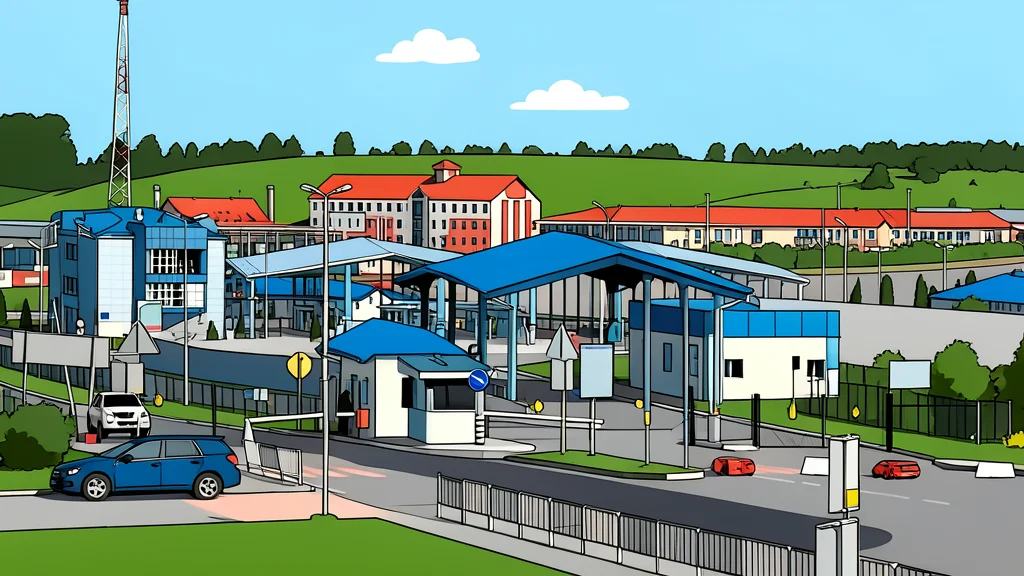
Emergency evacuations at key Polish-Ukrainian border points followed reports of drone activity, prompting a review of safety protocols for hazardous cargo and personnel.
Polish authorities ordered the evacuation of more than 600 individuals from two major border crossings with Ukraine on Sunday, citing immediate threats from drone activity. The decision was made following an emergency meeting at the Government Security Center, where Prime Minister Donald Tusk attended via video conference to assess the escalating security situation along the shared frontier.
According to reports from GN geopolitics/migration (en-US), the evacuations were triggered by specific incidents, including a drone strike near the Dorohusk crossing and the detection of an unidentified object approaching the Hrebenne checkpoint. These events marked a significant escalation in the risk profile of the border zone, leading to the temporary suspension of vehicle processing on both sides of the border.
Escalation of drone threats near borders
Ukrainian officials had issued warnings to Poland for several consecutive days regarding the potential for Russian drone attacks near border infrastructure. Polish border guard representatives stated that these alerts became more frequent following recent strikes on Ukrainian crossings with Moldova. In response, vehicle processing was periodically suspended starting Saturday afternoon to mitigate risks to civilians and staff members waiting in queues.
Coordinated response at border checkpoints
At approximately 4:00 a.m. on Sunday, a drone struck a gas station located two kilometers from the Dorohusk crossing, causing enough force to rattle windows in nearby border guard facilities. Consequently, over 280 people, including passengers from five buses and staff from customs and border services, were evacuated from the site. Simultaneously, authorities at the Hrebenne crossing initiated a precautionary evacuation of more than 300 people after detecting an unidentified object, although military consultations later indicated that an imminent strike was not confirmed.
By mid-morning, another incident was recorded in Ukraine, where a drone struck the locomotive of a freight train carrying empty tank cars. The Polish side emphasized that these events have necessitated a rapid adaptation of border security measures, including the movement of personnel to designated shelters and the relocation of passenger vehicles away from vulnerable areas.
Managing hazardous cargo risks
A central concern during the security meeting was the presence of vehicles transporting hazardous materials, particularly fuel, which are often part of long queues at crossing points. Authorities noted that such vehicles pose a secondary explosion risk in the event of a strike. As a result, police and border guards began relocating these high-risk vehicles further away from the checkpoint areas to minimize potential casualties.
Polish officials indicated that new procedures are being implemented to protect personnel remaining on duty, including the installation of protective structures that allow for border monitoring while providing cover. The focus now shifts to how these temporary measures will be integrated into long-term border security strategies, particularly regarding the safe management of logistics and hazardous cargo in volatile zones.