Poland Orders 96 AH-64E Apaches in $10 Billion Deal
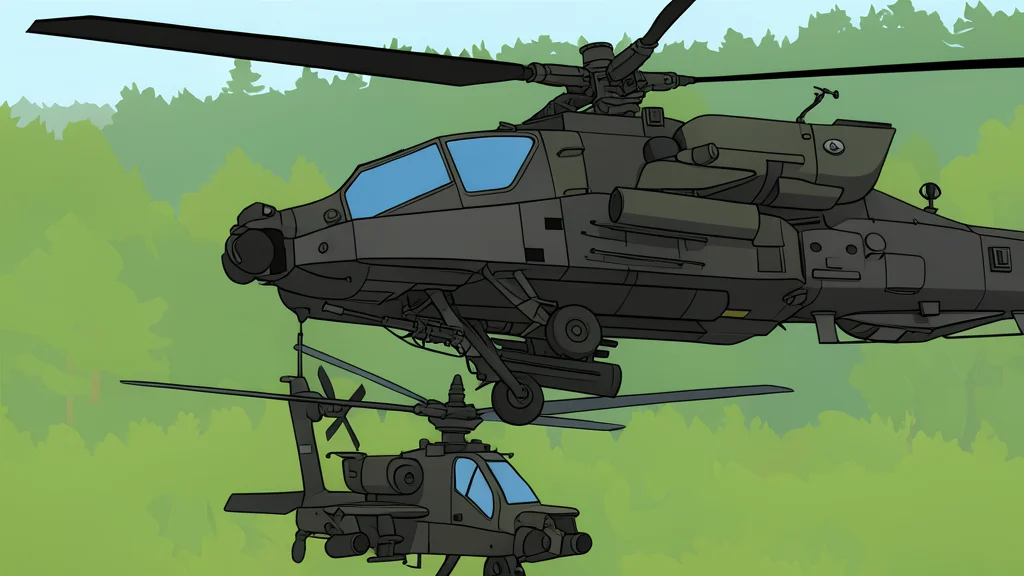
Warsaw secures the largest foreign Apache order in history, creating a fleet that will rival major European powers despite drone warfare debates.
Key points
- Poland signed a $10 billion deal for 96 AH-64E Apache helicopters, the largest foreign order in the program's history.
- Deliveries begin in 2028, making Poland the largest Apache operator outside the United States.
- The deal includes local maintenance support in Dęblin and advanced avionics that allow pilots to control military drones.
Poland has signed a $10 billion contract to acquire 96 Boeing AH-64E Apache Guardian attack helicopters, a move that will establish it as the largest operator of the platform outside the United States. According to reports, deliveries are scheduled to commence in 2028, marking the single largest foreign purchase in the history of the Apache program.
The acquisition brings the total number of nations operating the Apache to 19. While some analysts question the viability of heavy gunships in an era dominated by low-cost drones, the deal underscores a strategic bet on the aircraft’s concentrated firepower and advanced sensor suite. As noted by Simple Flying, the AH-64E remains a critical asset for suppressing armored columns and infantry in dense battlefields.
Strategic Shift in European Air Power
The decision by Warsaw to invest heavily in manned rotary-wing combat reflects a broader NATO concern regarding the saturation of air defense systems. Although the Russian invasion of Ukraine has highlighted the lethality of inexpensive drones, military planners argue that the Apache’s ability to carry a heavy load of Hellfire missiles and rockets offers a decisive advantage in high-intensity engagements. A single aircraft can neutralize multiple high-value targets in one sortie, a capability that current drone swarms struggle to replicate efficiently.
Boeing officials have indicated that this contract paves the way for one of the most formidable Apache fleets in existence. The package includes not only the airframes but also comprehensive weapons packages, spare parts, flight simulators, and maintenance support. This holistic approach is designed to ensure operational readiness from the moment the first helicopters arrive on Polish soil.
Advanced Capabilities and Local Maintenance
The AH-64E model distinguishes itself through digital avionics and a targeting suite that allows pilots to command military drones directly from the cockpit. This integration enables the crew to use unmanned aerial vehicles for reconnaissance ahead of direct attacks, blending traditional gunship tactics with modern unmanned warfare. The aircraft can carry up to sixteen laser-guided missiles and a 30mm chain gun, maintaining a lethal radius of approximately 300 miles per sortie.
To sustain this fleet, Poland is developing a local repair network in cooperation with General Electric. Maintenance and overhaul operations will be based in Dęblin, a move that aims to reduce logistical dependencies and ensure long-term availability. This infrastructure investment is intended to support not only the new Apaches but also Poland’s existing fleet of Sikorsky UH-60 Black Hawks, creating a robust regional support hub.
Challenges in Pilot Training and Integration
Despite the strategic benefits, the scale of the purchase raises practical questions about operational tempo. Poland must train a significant number of pilots and establish a comprehensive support network before the first deliveries arrive in 2028. The transition period requires careful planning to ensure that the new aircraft are integrated into existing air defense structures without creating gaps in coverage.
Observers will closely monitor how Warsaw balances the investment in manned aircraft with its growing drone capabilities. The success of this program will depend on the seamless integration of human and autonomous systems, a challenge that will define the next generation of European air power. As deliveries approach, the focus will shift to the pace of pilot certification and the depth of local maintenance capabilities.