Railway Strike Near Polish Border Tests NATO Nerves
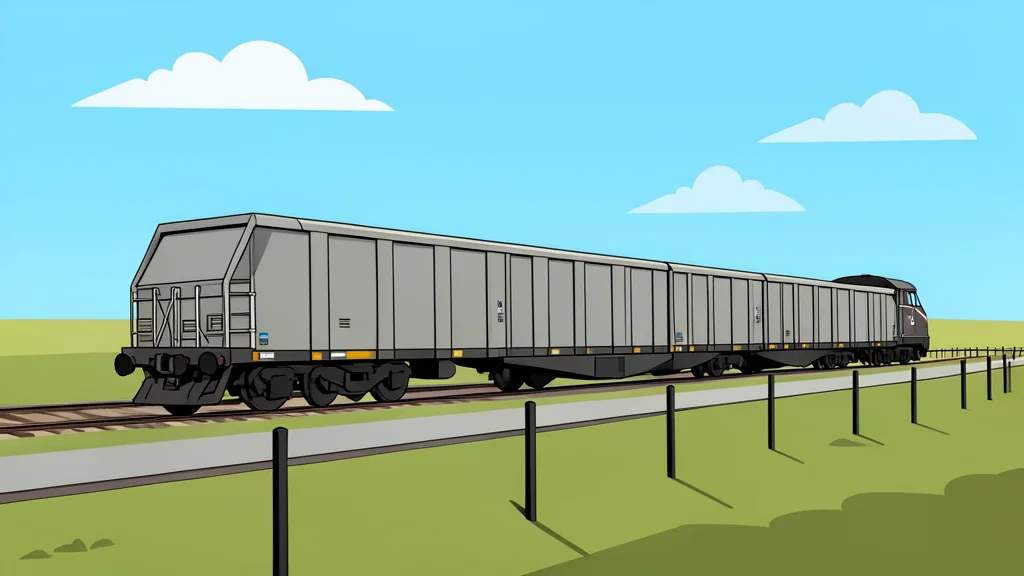
A Russian drone attack on a train near the Ukraine-Poland border has forced Western officials to reconsider how they access Kyiv, highlighting a new phase of hybrid escalation that keeps NATO neighbors on high alert.
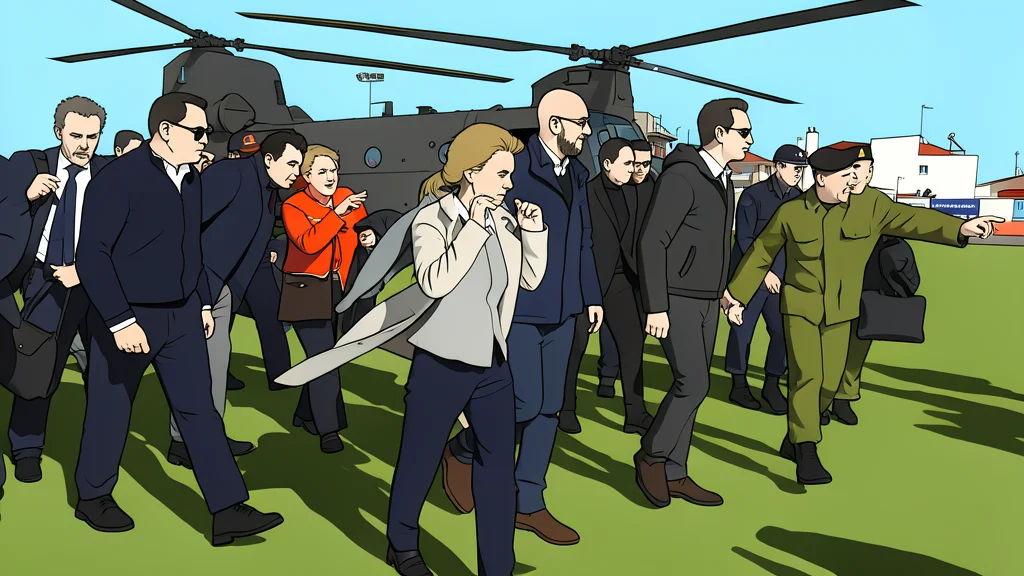
A Russian drone strike on a freight train operating near the border between Ukraine and Poland has intensified concerns among NATO allies regarding the safety of diplomatic access to Kyiv. According to reports analyzed by GN geopolitics/nato, the incident occurred while former senior Western officials, including ex-CIA director David Petraeus and former UK Prime Minister Boris Johnson, were in the vicinity. While definitive proof of intent remains difficult to establish in active conflict zones, Ukrainian railway authorities believe the presence of these dignitaries made the target particularly significant.
The attack marks a notable shift in Moscow’s tactical approach, moving from broad-scale kinetic operations to more precise, high-impact hybrid actions. By targeting the railway infrastructure that serves as the primary safe corridor for international visitors, Russia may be attempting to disrupt the flow of high-level diplomatic engagement. This strategy aligns with longer-standing warnings from Western intelligence agencies that Moscow would seek to escalate pressure on Ukraine’s NATO neighbors through indirect means rather than direct confrontation.
Disruption of Diplomatic Logistics
The practical implications of the strike are immediate for Western governments relying on rail links to demonstrate support for Ukraine. With air travel suspended over much of the country due to missile threats and road crossings plagued by long delays and security risks, trains have become the preferred method for transporting heads of state and sensitive intelligence. The recent attacks have forced security teams to weigh the risks of continued rail travel against the logistical burdens of alternative routes, potentially leading to a reduction in face-to-face diplomatic visits.
This logistical squeeze serves a broader strategic purpose by raising the cost of engagement for Ukraine’s allies. By making the transit of goods and personnel more dangerous and time-consuming, Moscow aims to erode the ease with which Western partners can sustain their commitments. The result is a gradual cooling of high-level interaction, a dynamic that fits within Russia’s calculated approach to stretching NATO resources without triggering a direct military response.
Advancement of Drone Technology
The precision of recent strikes indicates significant advancements in Russian drone capabilities, particularly in overcoming electronic warfare countermeasures. Newer models reportedly use mesh networks to transmit real-time video feeds to pilots located deep inside Russian territory, extending operational range and resilience against jamming. These technological improvements allow for more accurate targeting of infrastructure deep within Ukrainian territory, bringing threats closer to NATO borders and complicating defense strategies for neighboring states.
The deployment of such sophisticated systems reflects a broader trend in Russia’s military-industrial output, which is increasingly focused on cheaper, longer-range, and more accurate unmanned systems. This shift suggests a sustained effort to maintain pressure through attrition and hybrid warfare, leveraging technological edge to compensate for other logistical challenges. NATO analysts are closely monitoring these developments to assess how they might influence future defensive postures along the alliance’s eastern flank.
NATO Response and Strategic Calculations
For NATO, the incident presents a complex challenge of balancing deterrence with avoiding direct escalation. The alliance faces internal divisions and competing global priorities, which may limit its ability to respond with immediate force. Moscow appears to be exploiting these fractures, calculating that the cost of responding to hybrid attacks outweighs the benefits for many member states. This creates a grey-zone environment where continuous probing tests the alliance’s unity and resolve without crossing the threshold of conventional war.
Looking ahead, the focus will shift to how Western nations adapt their diplomatic and military logistics to maintain support for Ukraine. The coming months will likely see increased investment in alternative transport corridors and enhanced air defense systems along the border. The key question remains whether NATO can present a unified front that deters further hybrid escalations while continuing to provide the critical support necessary for Ukraine’s defense.