Russia Closes Wartime Polls as United Russia Leads Duma Race
Polls close in Russia's first wartime parliamentary election, with initial data showing a strong lead for the ruling party amid security incidents.
Key points
- Polls closed with United Russia leading, reporting a 56.66% turnout.
- Russian officials reported drone strikes and cyber attacks during the vote.
- The election included annexed Ukrainian territories, drawing international condemnation.
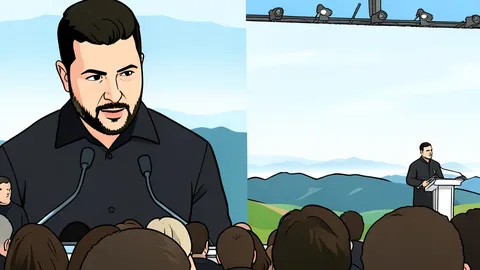
Voting has concluded in Russia’s first parliamentary elections held during the ongoing conflict with Ukraine. According to Al Jazeera English, the process was framed by President Vladimir Putin as a referendum on public support for the war effort. Initial indications suggest the ruling United Russia party is positioned to maintain its dominant control over the State Duma.
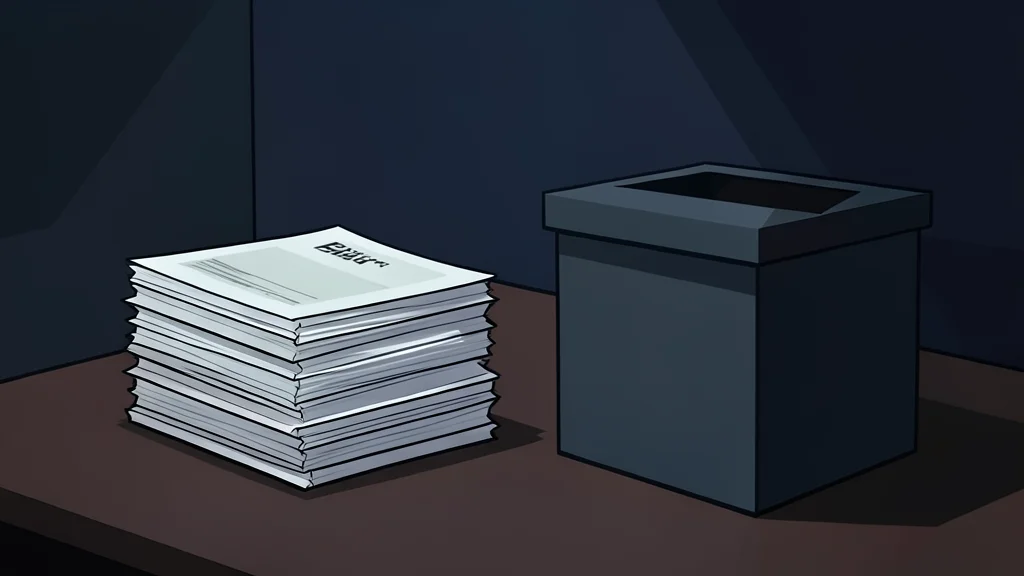
The Central Election Commission reported a turnout of 56.66 percent at the close of polls. While authorities described the process as largely smooth, they acknowledged reports of attempted disruptions to electronic voting systems and communication lines. Final official results and detailed turnout figures are expected to be released on Monday morning.
Security concerns surround voting process
Russian government officials accused Ukraine of attempting to disrupt the electoral process following a series of drone strikes. State media reported that hundreds of drones targeted Moscow and other regions, resulting in fatalities in the Moscow region and Russian-held parts of Kherson. An election official was reportedly among those killed in the latter area.
Authorities also cited attacks on infrastructure supporting the vote, including electronic voting systems. Despite these claims, the Kremlin maintains that the overall integrity of the election was preserved. The timing of these incidents has added a layer of tension to an event already viewed through the lens of wartime legitimacy.
Contested territories and legal criticism
The election included ballots cast in four Ukrainian regions annexed by Moscow after the war began, as well as Crimea. Kyiv has denounced the voting in these areas as illegal and has urged international partners not to recognize the outcomes. The European Union characterized the actions in these territories as a blatant violation of international law.
The structure of the vote allows voters to select parties for half of the Duma’s 450 seats and individual candidates for the remainder. This mixed system is designed to ensure that the ruling party retains a secure majority. Critics argue that the inclusion of annexed territories without full control or international recognition undermines the legitimacy of the entire process.
Limited opposition and observer absence
The political landscape for this election was significantly constrained. The liberal Yabloko party, the only registered entity that publicly criticized the war, was removed from the ballot by the Supreme Court last month. Additionally, several anti-war politicians were either imprisoned or forced to leave the country before the campaign began.
Russia did not invite observers from the Organization for Security and Cooperation in Europe to monitor the process. The Foreign Ministry has previously criticized the body for applying double standards in its assessments of Russian elections. With genuine opposition largely excluded from the ballot, the outcome appears predetermined to maintain Kremlin control over legislative affairs amid mounting economic and military pressures.