Russia Deploys New Ice-Class Warships to High North
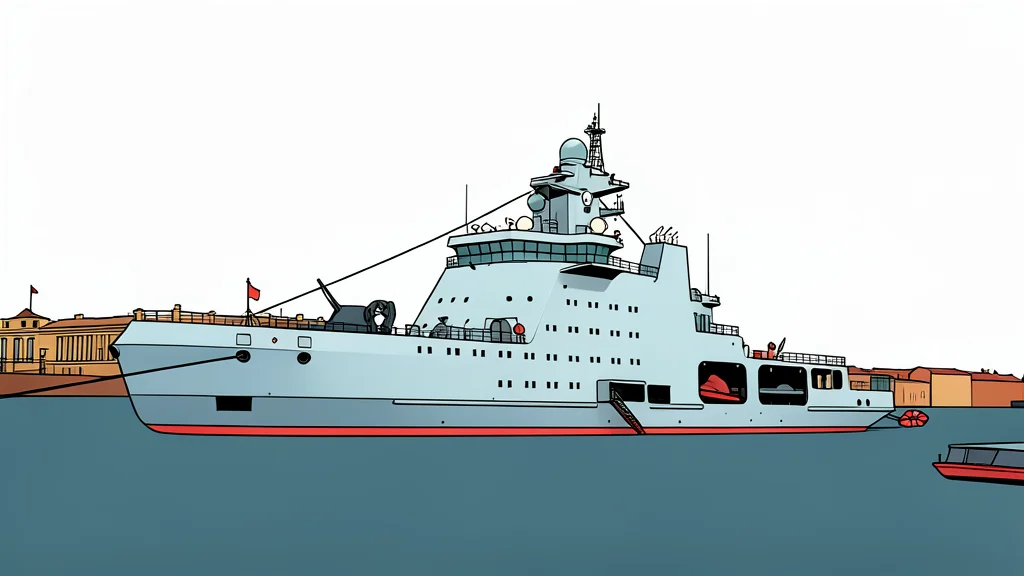
Moscow has sent its first dedicated Arctic combat icebreaker to the High North, a move described by officials as a response to growing NATO activity in the region.
Russia has dispatched a flotilla of warships to the Arctic Ocean, marking the first deployment of its newly commissioned ice-class patrol vessel, the Ivan Papanin. According to the Russian Navy’s Northern Fleet command, the task force departed from Severomorsk for an extended mission that is expected to last several months. The deployment is framed by Moscow as a necessary measure to ensure the safety of navigation and to protect national interests in the High North.
The inclusion of the Ivan Papanin is significant because it represents the first of two Project 23550 combat icebreakers, a class of warships explicitly designed for polar operations. The vessel is rated for ice thickness up to 1.7 meters, allowing it to operate year-round in conditions that would impede standard naval assets. By placing this new capability in the region, Russia is signaling a long-term commitment to maintaining a robust military presence in waters that are becoming increasingly accessible due to shifting climate patterns.
Strategic Competition Intensifies in the High North
Tensions in the Arctic have risen as NATO members, including the United States, Canada, and several Nordic countries, have increased their attention to the region. Russian Foreign Minister Sergei Lavrov has characterized these developments as a direct threat to Russian security, accusing Western nations of creating an atmosphere of mistrust. According to Lavrov, the risk of incidents that could escalate into armed confrontation is increasing, prompting Moscow to assert its rights more firmly in the area.
Analysts noted by GN geopolitics/nato observe that while Russia cites defensive concerns, it maintains the largest military infrastructure in the Arctic of any nation. Over the past decade, the Kremlin has rebuilt dozens of Soviet-era outposts, deep-water ports, and radar stations. The Kola Peninsula continues to serve as the headquarters for the Northern Fleet, which includes nuclear-powered submarines and the world’s largest fleet of icebreakers, providing Moscow with near-unmatched access to the northern waters.
Economic and Security Interests Converge
The strategic value of the Arctic is driven not only by security considerations but also by economic opportunities. Climate change has opened a new shipping lane along Russia’s northern coast, offering a potential commercial passage for global trade, particularly to the Far East. For Moscow, the ability to protect this route with dedicated military assets is crucial. The new patrol ships are designed to patrol these waters and safeguard Russia’s claims, ensuring that the region remains a vital gateway for its economy.
The deployment of the Ivan Papanin alongside auxiliary vessels like the large landing ship Kondopoga and the sea tanker Sergey Osipov suggests a comprehensive operational posture. The fleet is capable of performing various tasks, from ensuring navigation safety to projecting power in remote areas. This multi-faceted approach allows Russia to maintain a persistent presence that challenges the growing military footprint of NATO allies in the same waters.
Monitoring Future Naval Movements
As the flotilla spends the coming months in the Arctic, observers will be watching for any interactions with NATO forces or allied vessels in the region. The introduction of the first Project 23550 combat icebreaker sets a precedent for how Russia intends to militarize its polar capabilities. The next steps will likely involve further testing of these new assets and continued diplomatic exchanges regarding the rules of engagement in the High North.
The situation remains fluid, with both sides balancing the desire for security against the risk of miscalculation. The focus now shifts to how these new capabilities will be integrated into broader naval strategies and whether they will lead to further escalatory rhetoric or a stabilized, albeit tense, status quo. The coming weeks will provide clarity on the extent of Russia’s operational reach and the responsiveness of its Western counterparts.