NATO Chief Cites Complex Security Landscape

Alliance leadership urges increased European defense investment to ensure collective credibility amid heightened geopolitical tensions.
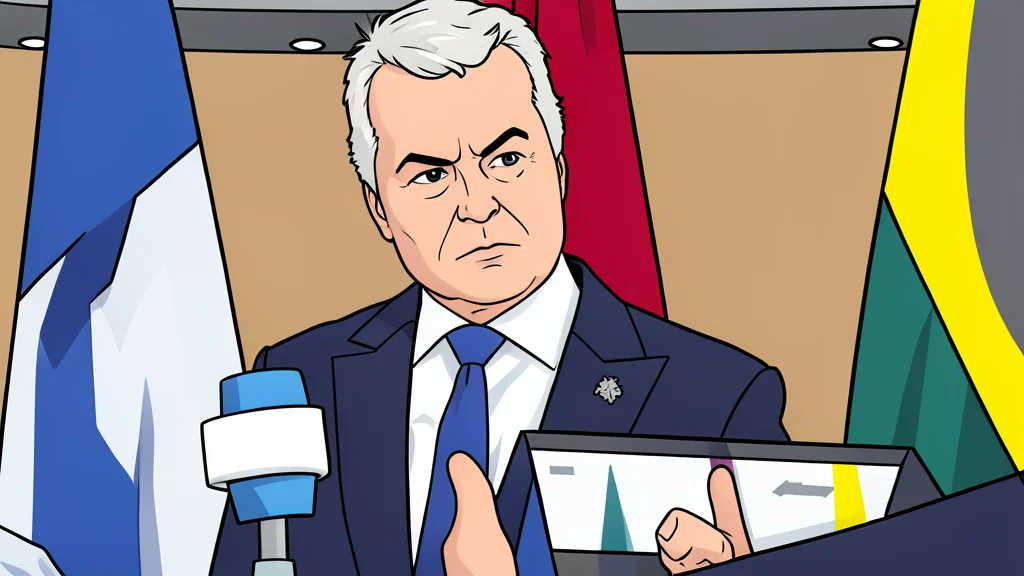
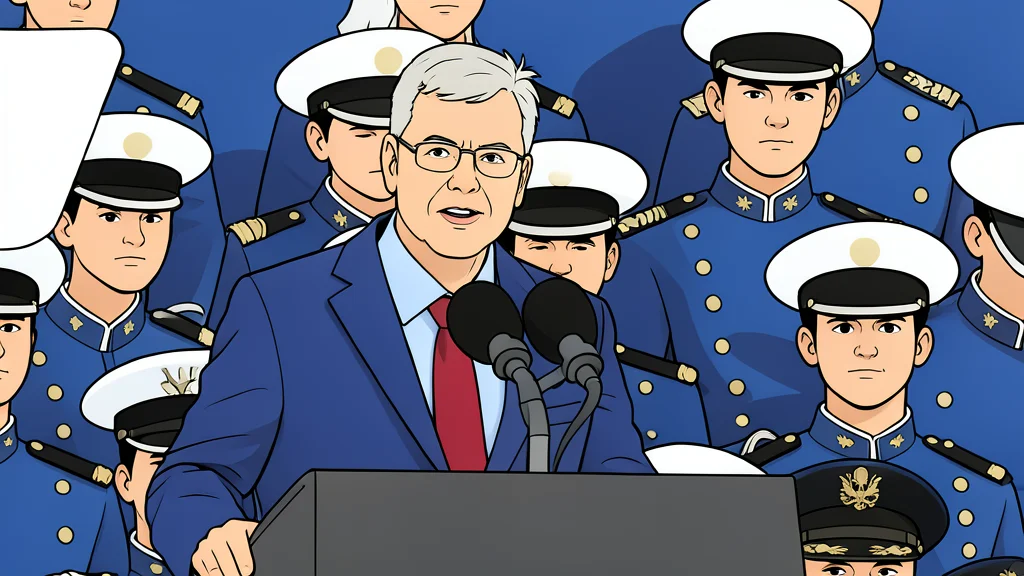
NATO Secretary General Mark Rutte described the current geopolitical landscape as the most dangerous and complex security environment the alliance has encountered in a generation. Speaking at the Annual Lecture hosted by The Ditchley Foundation in Oxfordshire, Rutte emphasized that the credibility of collective defense depends directly on sustained and increased investment in security capabilities.
The remarks underscore a strategic shift within the transatlantic partnership, where European members are being called to assume greater responsibility. According to reports from GN geopolitics/nato, Rutte noted that European allies and Canada increased their defense spending by nearly 20 percent in 2025 alone, signaling a tangible response to the alliance's evolving threat assessments.
Investment Drives Defense Credibility
Rutte argued that without adequate financial commitment, the alliance’s ability to protect its members' way of life would be compromised. He stressed that the principle of shared burden remains central to the organization's structure, referring to this dynamic as a key component of what he termed NATO 3.0. This framework aims to rebalance security responsibilities while maintaining the transatlantic bond that has defined the alliance since its inception.
The secretary general characterized European allies as having broad shoulders, suggesting they are both capable and prepared to take on more substantial roles in regional stability. This perspective aligns with broader discussions within the alliance regarding the need for autonomous capability development in Europe, particularly in areas where rapid response is required.
European Responsibility in Transatlantic Framework
While emphasizing the necessity of increased European involvement, Rutte reiterated that NATO remains fundamentally a transatlantic institution. He stated that a secure Europe, a secure Atlantic, and a secure Arctic are not only priorities for the alliance but are also essential for the long-term security interests of the United States. This interconnected view seeks to reinforce the mutual dependency between North American and European defense strategies.
The emphasis on the Arctic region reflects a growing recognition of strategic competition in higher latitudes. By linking European security directly to American interests, the leadership aims to foster a cohesive approach to emerging threats that span multiple geographic domains. This holistic view is intended to prevent fragmentation in the alliance’s strategic focus.
Monitoring Future Alliance Commitments
Observers will now look to upcoming defense budgets and policy announcements from member states to gauge the extent of this commitment. The extent to which European nations translate rhetorical support into concrete fiscal measures will determine the effectiveness of the proposed rebalancing. Stakeholders are expected to scrutinize whether the 20 percent increase in 2025 marks a sustained trend or a temporary adjustment.
The forward question remains how the alliance will operationalize these commitments in a fragmented political landscape. The next several months will be critical for assessing whether the stated priorities translate into tangible improvements in collective defense readiness and interoperability among member states.