Shake-Up in Russian Security Services Signals Internal Power Struggle
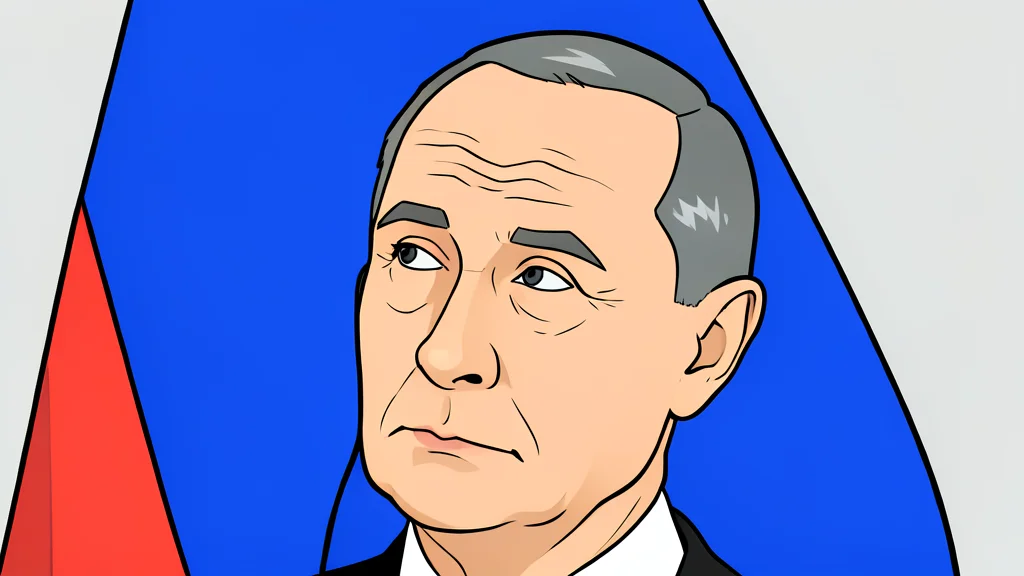
The abrupt departure of a key FSB economic security chief suggests deepening fractures within Putin's inner circle, with broader leadership changes anticipated.
Vladimir Putin’s inner circle appears to be undergoing a significant reshuffle, marked by the sudden departure of Sergei Alpatov, the head of the Federal Security Service’s Economic Security Directorate. While official channels attributed the move to health reasons, multiple independent sources describe the exit as the result of an internal conflict rather than a voluntary resignation. This development has intensified speculation about a broader struggle for influence among the security apparatus that has grown increasingly powerful during the ongoing war in Ukraine.
According to reports from independent investigative outlets, the ouster of Alpatov is only the first step in a larger purge. The tension centers on the protection of Arkady Rotenberg, a billionaire with close personal ties to the president. Alpatov’s enforcement actions against associates of Rotenberg are said to have triggered a backlash within the FSB, leading to his removal and raising questions about the stability of the current security leadership.
Factions clash over economic enforcement
The conflict has been fueled by recent legal actions against figures linked to the Rotenberg business empire. In July, Konstantin Makhov, a longtime manager for the family, was arrested on embezzlement charges, a move interpreted as a warning shot to the clan. Shortly before that, Ilya Traber, a powerbroker with rumored ties to organized crime and the Rotenbergs, was detained on murder charges. However, both men were recently released or granted house arrest, a reversal that sources attribute to direct intervention by Putin.
Unofficial accounts suggest that Putin was convinced by senior figures that these prosecutions were an attempt to undermine the influence of his closest allies. Alpatov, who led the economic security division, is reported to have been held responsible for these actions. A source cited by VChK-OGPU noted that Alpatov was removed overnight, though he had been aware of his impending departure for a week. He is currently on vacation and is not expected to return to his post.
Potential retirement of FSB chief
The most significant implication of this dispute may be the future of Alexander Bortnikov, who has headed the FSB since 2008. At 74 years old, Bortnikov has reportedly long sought to retire, spending much of his recent time at health resorts. According to iStories, his exit is now considered likely, serving as the capstone to a comprehensive reorganization of the security services. This would mark the end of an era for the agency that has played a central role in consolidating state power.
The broader context involves a security establishment that has been granted unchecked authority to maintain control during the conflict. The recent events highlight how personal loyalties and factional interests within this elite group can override standard institutional processes. As the administration navigates these internal dynamics, the balance of power between different security factions remains a critical variable in Russian governance.
Watch for October leadership changes
Sources indicate that the full scope of the personnel changes will become clear in October, a period traditionally associated with major institutional updates in Russia. Analysts are watching closely to see if Bortnikov’s retirement is confirmed and who will succeed him. The outcome of this internal struggle will likely shape the direction of Russia’s security policies and its approach to economic enforcement in the coming year.