Iran Faces Deepening Internal Crisis Amid Regional Tensions
Amid reports of severe internal unrest and economic collapse, Tehran and Washington navigate a high-stakes diplomatic standoff as regional powers prepare for potential escalation.
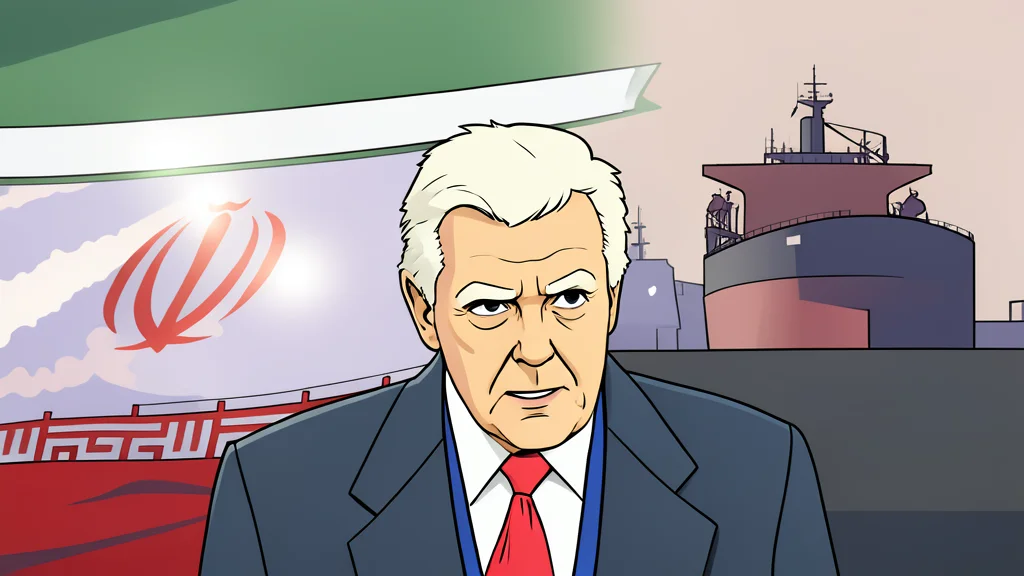
Tensions in the region have reached a critical juncture, with intelligence agencies in Washington and Jerusalem closely monitoring the internal stability of the Iranian government. According to reports from the GN auto geopolitics/middle-east: Iran nuclear desk, officials have documented a harsh crackdown on domestic protests, raising concerns about the regime's long-term viability. This internal fragility has prompted a significant shift in the strategic posture of regional adversaries, who are now weighing the timing and scope of potential future operations.
The situation has moved beyond mere nuclear proliferation concerns to include broader humanitarian and strategic considerations. Israeli defense officials have indicated that while no immediate operation is scheduled, the possibility of future action remains on the table. This stance reflects a dual motivation: countering Iran’s ballistic missile capabilities and responding to allegations of severe human rights abuses within the country. The strategic calculus now involves creating conditions that may accelerate internal political shifts, rather than relying solely on kinetic military measures.
Strategic Pillars for Regime Instability
During a recent high-level meeting at the White House, Israeli Prime Minister Benjamin Netanyahu and US President Donald Trump discussed a joint strategic framework. According to senior security officials, the delegation presented three primary pillars for influencing Iran's internal dynamics: the promotion of alternative leadership figures, targeted influence campaigns, and the potential for ground-based operations. Officials emphasized that airstrikes alone are insufficient to topple a government, suggesting a more comprehensive approach is required to address the regime's resilience.
The assessment is that the Iranian government is undergoing a process of internal deterioration, driven by economic sanctions and rising unemployment. While the regime continues to project strength in its external relations, its ability to contain domestic unrest is weakening. Security sources indicate that while Iran has not resumed uranium enrichment or moved sensitive centrifuges, its defense industry has suffered significant damage. This erosion of military and economic capacity provides a window for diplomatic and strategic pressure to take effect.
Economic Pressure and Diplomatic Clock
The current standoff is characterized by a race against time, often described as a clock game. The American timeline is influenced by domestic political factors and fuel prices, while the Iranian timeline is driven by the urgent need to alleviate economic suffering. President Masoud Pezeshkian has publicly suggested that diplomatic solutions are preferable, urging for an agreement while the country retains some degree of stability. However, Tehran remains resistant to making concessions, believing it can withstand the intensified economic pressure.
Washington is applying pressure not only directly on Tehran but also through its allies and partners, particularly the United Arab Emirates and China, which serve as key economic lifelines for Iran. The broad scope of these sanctions aims to isolate the Iranian economy further, potentially forcing a reconsideration of its strategic posture. The interplay between economic coercion and diplomatic maneuvering will likely determine the next phase of regional stability.
Future Escalation and Regional Watch
As the situation evolves, observers are watching for signs of internal political fractures within the Iranian leadership. The success of influence campaigns and the extent of economic isolation will be key indicators of the regime's trajectory. Regional actors are preparing for various scenarios, from continued diplomatic engagement to potential military interventions. The coming months will be critical in determining whether the current crisis leads to a negotiated settlement or a further escalation of hostilities.