Tunisian Protesters Demand Release of Detained Flotilla Activists
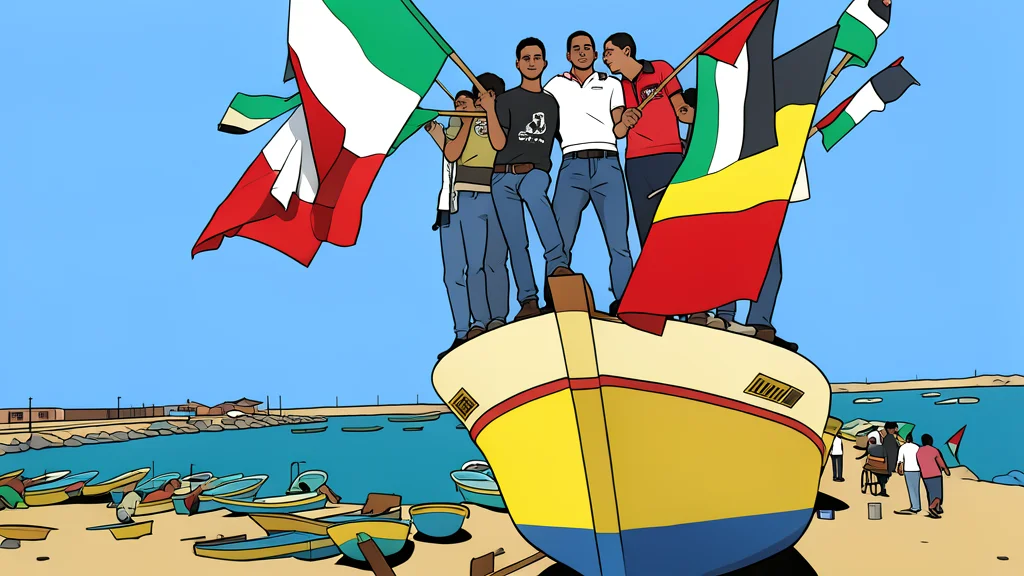
Hundreds of demonstrators gathered in Tunis on Saturday to call for the immediate release of four activists accused of financial misconduct related to a humanitarian mission.
Hundreds of Tunisians took to the streets on Saturday to demand the release of four pro-Palestinian activists who have been detained since March. The detainees are accused of misusing funds raised for the Global Sumud Flotilla, a humanitarian initiative that attempted to deliver aid to Gaza in 2025. The public outcry marks a significant escalation in a dispute that has drawn criticism from human rights organizations and international observers concerned about the treatment of political dissenters in the country.
According to reports from Africanews, the situation has intensified as the detained individuals began a hunger strike to protest their imprisonment. Human rights advocates describe the legal proceedings as politically motivated, asserting that the charges of money laundering are a pretext to silence individuals engaged in non-violent advocacy. The controversy highlights growing tensions between the Tunisian authorities and civil society groups who view the case as part of a broader crackdown on opposition voices and rights defenders.
Humanitarian Mission Faces Legal Challenges
The Global Sumud Flotilla, which organized the maritime aid effort, has repeatedly condemned the arrests of its coordinators. In a statement issued on Saturday, the group noted that the health of the detained activists was deteriorating rapidly due to their hunger strike. They characterized the individuals as prisoners of conscience, arguing that their actions were driven by a commitment to alleviating suffering in Gaza rather than criminal intent. The organization maintains that the flotilla’s activities were non-violent responses to the humanitarian crisis in the Palestinian territory.
The flotilla’s journey was marked by significant incidents, including an attack by drones while anchored in the port of Sidi Bou Said. Later, the mission was intercepted by Israeli forces, which seized the vessels and deported the participants. Despite these events, the group continued to advocate for the rights of the detained organizers, framing the legal case as an attempt to obscure the broader political context of the conflict and the role of international solidarity movements.
Rights Groups Cite Political Motivation
Bassem Trifi, head of the Tunisian League for Human Rights, stated that the case is driven by political motives rather than legal merit. He argued that authorities are attempting to reduce a matter of public solidarity with the Palestinian people to a simple issue of financial mismanagement. Trifi emphasized that the movement for Palestinian rights has generated substantial popular support in Tunisia, making it a focal point for those seeking to challenge existing political narratives.
Ghassen Bouazi, an advocate for the release of the activists, suggested that external pressures may have influenced the decision to arrest the individuals. He placed the case within a larger pattern of actions targeting political figures, journalists, and rights advocates. This perspective aligns with recent events in Tunisia, where protests have been held regarding the detention of opposition figures and concerns over the balance of power in the country’s political landscape.
Watch for Continued Public Mobilization
As the hunger strike continues, the focus will remain on the health status of the detainees and the response from the Tunisian government. Observers are watching to see if the judicial process will proceed as scheduled or if diplomatic interventions will influence the outcome. The case is expected to remain a central issue in public discourse, with further demonstrations likely if the demands for release are not met.
The broader implications for civil liberties in Tunisia will also be closely monitored. The intersection of humanitarian aid, political dissent, and legal accountability creates a complex scenario that may test the limits of state authority in managing social movements. The coming weeks will be critical in determining whether the activists are released or if the legal proceedings will extend, potentially leading to further international scrutiny and domestic unrest.