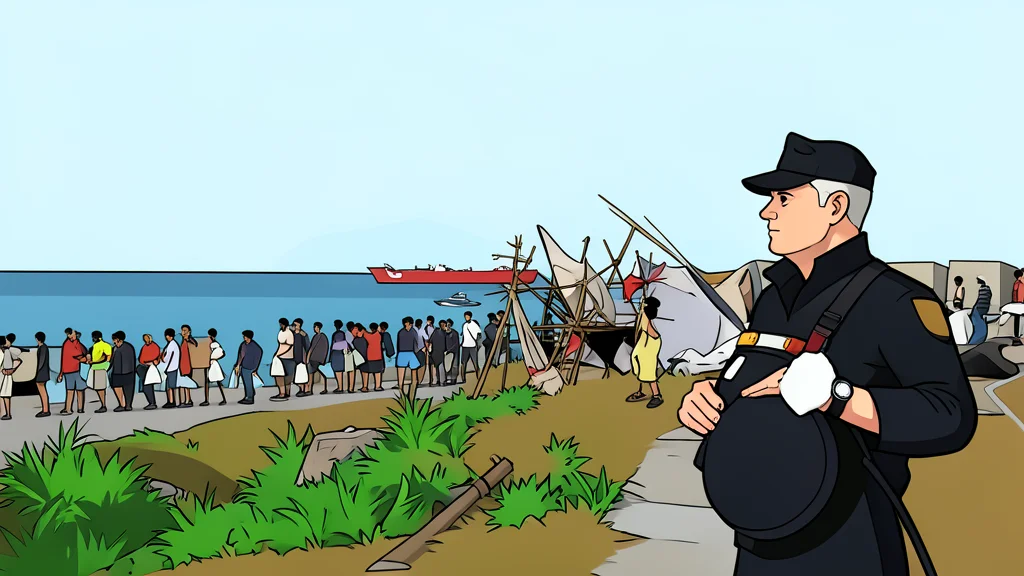
Strikes Near Polish Border Heighten NATO Security Concerns
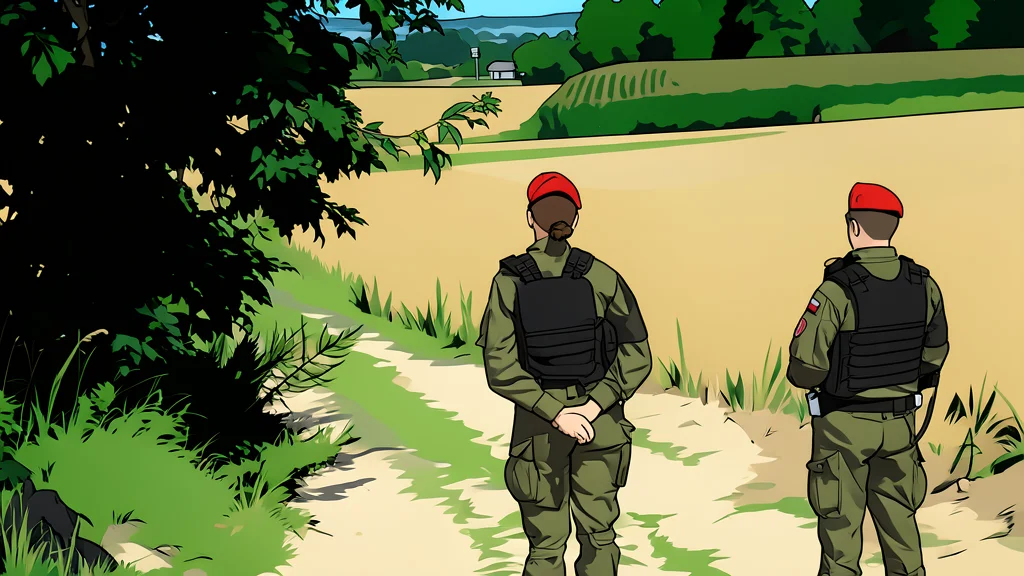
Recent Russian attacks near the Ukrainian-Polish frontier have disrupted trade routes and intensified long-range exchanges, while diplomatic efforts by global powers seek to mediate the ongoing conflict.
Russian forces struck a commercial truck near the border crossing between Ukraine and Poland on Sunday, according to Polish and Ukrainian officials. The incident occurred at the Dorohusk-Yahodyn crossing point, which briefly suspended operations before resuming, marking a significant escalation in strikes targeting areas adjacent to NATO territory.
The attack highlights a growing pattern of long-distance strikes by both Moscow and Kyiv aimed at shifting momentum in the war. As the conflict enters its fifth year, the focus has increasingly shifted toward disrupting economic infrastructure and supply lines that sustain the Ukrainian war effort, raising fresh concerns about regional stability and the safety of neighboring states.
Disruption at Western Border Crossings
Polish border guards reported that the crossing was temporarily halted after the strike landed approximately 800 meters from the Polish side. According to the GN geopolitics/nato desk, such incidents underscore the vulnerability of trade routes that Ukraine relies on for arms and essential goods from Poland, Romania, and Moldova. Russia’s Defense Ministry stated that it targeted infrastructure facilitating military cargo, indicating a deliberate strategy to choke off logistical support from Western allies.
Diplomatic Mediation Efforts Gain Momentum
Meanwhile, diplomatic initiatives are intensifying as leaders from India, China, and Kazakhstan offer to broker peace. Kremlin spokesman Dmitry Peskov noted that both Prime Minister Narendra Modi and President Xi Jinping have proposed helping to facilitate a settlement. These overtures follow similar calls from other BRICS members, reflecting a broader push by nations with traditional ties to Russia to find a diplomatic exit from the static front lines that have characterized the conflict this year.
Despite these offers, Moscow maintains that any peace deal must result in Ukraine ceding control of the industrialized Donbas region, a demand Kyiv has firmly rejected. Russian officials have indicated that three-way talks involving the United States could potentially resume in October, suggesting that while combat continues, the door to negotiation remains slightly ajar, albeit heavily conditioned by territorial demands.
U.S. Pressure on Energy Targets
In a separate development, U.S. President Donald Trump urged Ukrainian President Volodymyr Zelenskiy to halt attacks on Russian diesel infrastructure. Speaking during a visit to Ireland, Trump stated that there are plenty of other military targets available and advised against striking fuel supplies. This public commentary reflects a nuanced approach from Washington, balancing support for Ukraine’s defense with concerns over the broader economic and humanitarian impacts of targeting energy sectors.
The convergence of military escalation near NATO borders, diplomatic mediation attempts, and shifting U.S. strategic guidance creates a complex landscape for the coming months. Observers will closely watch whether the proposed diplomatic channels lead to substantive talks or if the continued targeting of border infrastructure further inflames tensions with European allies.