UN Treaty Process Puts Gender in Focus for Older Persons

As the UN moves to draft a binding treaty on the rights of older persons, a new emphasis on gender inequality is reshaping the global conversation on aging.
October 2026 is set to become a defining period for international human rights discourse, driven by the United Nations' effort to create a legally binding treaty for older persons. The upcoming sessions of the Inter-Governmental Working Group (IGWG) in Geneva represent a shift from previous soft-law approaches to a framework grounded in enforceable rights. This development follows the International Day of Older Persons, which highlights the theme of longevity and the need to rethink societal systems for longer lives.
According to GN geopolitics/rights (en-US), the stakes extend beyond simple demographic management. The process tests whether increased life expectancy will translate into genuine autonomy and dignity, or if age will continue to exacerbate existing inequalities. Khalid Hassine, Secretary of the IGWG, explains that while previous initiatives like the Madrid Plan addressed aging, the current mandate specifically seeks a human rights-based response to this structural demographic change.
Shifting From Soft Law to Binding Standards
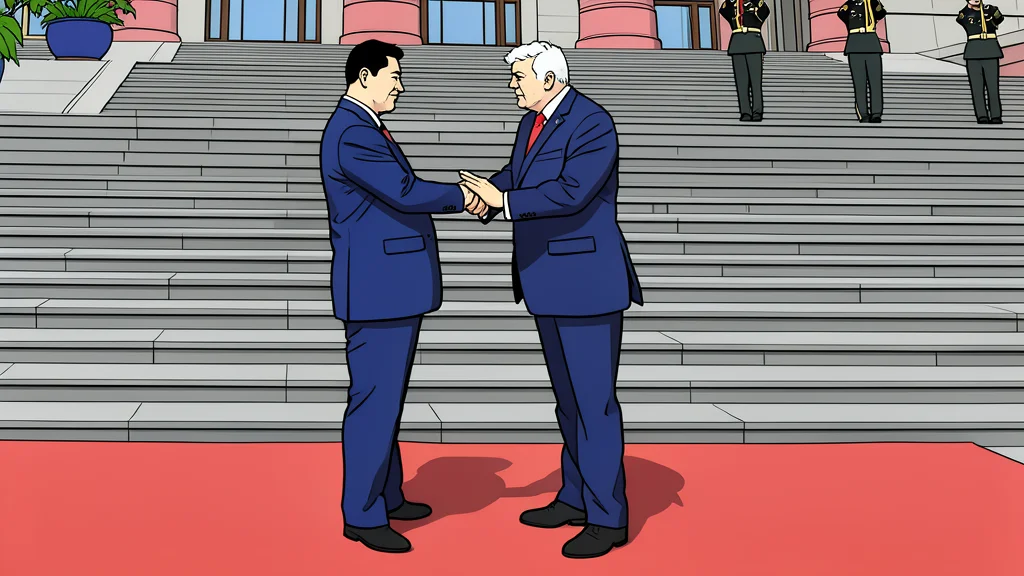
The establishment of the IGWG by the UN Human Rights Council in early 2025 marks a significant procedural evolution. Hassine notes that the Secretariat’s role is strictly facilitative, providing neutral support to state-led negotiations without prejudging the outcome. This distinction is crucial, as the treaty will ultimately be shaped by government representatives rather than non-state actors. The goal is to move beyond the recommendations of the 2002 Madrid International Plan of Action toward a robust international instrument.
Despite the state-centric nature of the negotiations, civil society retains a vital role. The IGWG meets twice a year, but the intervals between sessions are seen as critical windows for advocacy. Building coalitions and utilizing mechanisms like the Universal Periodic Review can help accumulate the evidence needed to define the specific rights of older persons. This sustained engagement aims to keep the issue visible on national and regional agendas.
Addressing the Intersection of Age and Gender
A central theme in the emerging framework is that aging is not gender-neutral. Older women are identified as a priority group due to the compounded effects of ageism and gender inequality. This perspective aligns with recent work by the UN Special Rapporteur on Violence Against Women, who released a report on the specific vulnerabilities of older women in August 2026.
The challenge now is to ensure that the draft treaty explicitly addresses these intersectional dynamics. By establishing a global minimum standard, the instrument aims to protect those most at risk from discrimination. This approach seeks to guarantee that longer lives are lived with equal dignity, regardless of gender or other marginalizing factors.
The Road Ahead for Global Equity
As the working group continues its deliberations, the focus remains on translating demographic reality into legal protection. The next steps will involve detailed negotiations on the scope and enforceability of the proposed rights. Observers will watch closely to see how member states balance national interests with the universal human rights principles outlined in the mandate. The outcome will likely set a precedent for how the international community addresses the challenges of an aging world.