Iraq Reopens Key Border Crossings with Iran Amid Security Overhaul
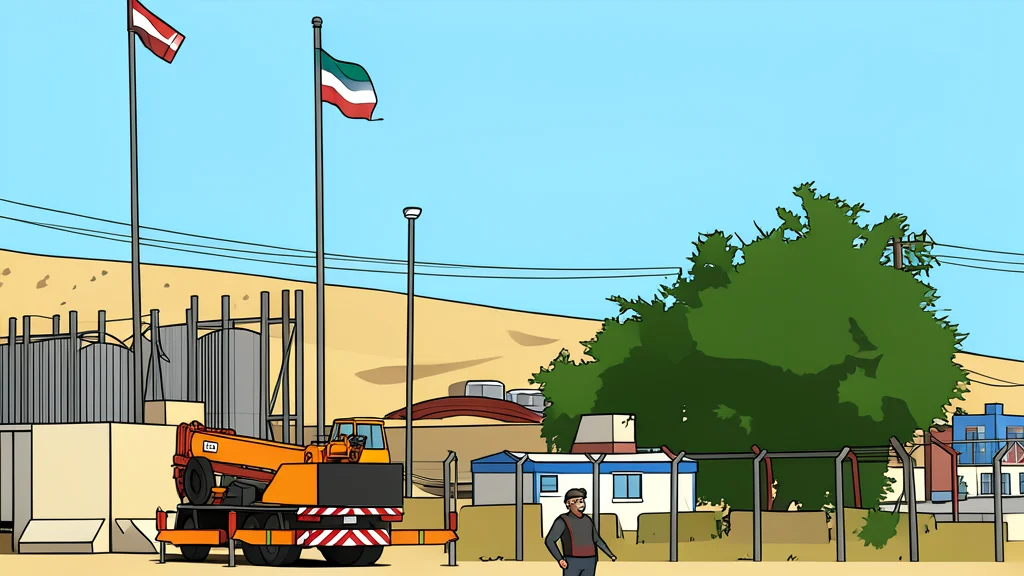
Baghdad has initiated a phased restoration of trade and passenger flows at three major border points with Tehran, following a temporary suspension tied to broader security investigations in the region.
Iraq has begun the phased reopening of three significant border crossings with Iran, marking a return to normalcy in cross-border movement after a brief period of suspension. The decision, announced by the Security Media Cell under the Iraqi Joint Operations Command, follows administrative and technical reviews designed to enhance security protocols and improve logistical efficiency. According to reports, the move was authorized by Prime Minister Ali al-Zaidi to ensure that the infrastructure at these strategic points meets current operational standards.
The reopening schedule distinguishes between passenger and commercial traffic, with the former resuming earlier in the week. Passenger flows at the al-Sheeb and Shalamcheh crossings restarted on Sunday morning, while commercial operations are being reintroduced in a staggered manner over the following days. This measured approach allows authorities to monitor traffic volumes and security compliance closely, ensuring that the restoration of trade does not compromise the stability of the border zone.
Staggered Schedule for Trade Resumption
Commercial activity at the Shalamcheh crossing is scheduled to resume on Monday, followed by the Mandali crossing on Tuesday and the al-Sheeb crossing on Thursday. This sequential rollout is intended to prevent congestion and allow security personnel to adjust to the increased volume of goods moving across the border. The Security Media Cell emphasized that this timeline reflects a commitment to both economic continuity and rigorous oversight, ensuring that each phase is fully operational before the next begins.
While these three points are undergoing restructuring, the Zurbatiyah and al-Munthiriya crossings have remained open throughout the closure period. Authorities confirmed that passenger and commercial traffic through these other locations has not been disrupted, continuing to operate on a twenty-four-hour basis. This distinction highlights the targeted nature of the recent interventions, which focused specifically on the sites identified for administrative and security upgrades.
Context of Recent Security Measures
The temporary closures were implemented as part of a broader investigation into security violations and administrative irregularities at the border posts. Iraqi security authorities indicated that the restructuring measures were necessary to address these issues before fully restoring normal operations. The decision to close the crossings was taken on Saturday, coinciding with significant personnel changes in regional security leadership, including the removal of the commander of the Maysan Operations Command.
These developments occurred against a backdrop of heightened regional tensions, particularly following reports of drone attacks on Saudi infrastructure launched from Iraqi territory. Saudi Arabia’s Foreign Ministry stated that its East-West Pipeline had been targeted, resulting in damage and injuries, though Riyadh refrained from retaliatory action at the request of the Iraqi prime minister. The linkage between these incidents and the border security review underscores the sensitivity of the region’s geopolitical dynamics.
Regional Implications and Future Outlook
The reopening of these crossings is significant for regional trade, as they serve as vital conduits for goods and people between Iraq and Iran. According to GN geopolitics/migration (en-US), the stability of these border points is crucial for maintaining economic links and diplomatic relations in the area. The successful implementation of the new security protocols will likely influence future cooperation between Baghdad and Tehran, as well as the broader stability of the Gulf region.
Observers will now watch closely for any further disruptions or announcements regarding the status of the remaining border points. The next few days will be critical in determining whether the phased reopening proceeds smoothly or if additional security concerns emerge. The outcome will also provide insights into the effectiveness of Iraq’s recent security reforms and the resilience of cross-border trade in the face of geopolitical volatility.