Sweden's Election Shift Challenges Right-Wing Coalition
A narrow parliamentary result has overturned expectations for Sweden's ruling bloc, forcing a difficult path for coalition building and signaling a potential pivot in European political dynamics.
Sweden’s recent parliamentary election has resulted in a significant political realignment, overturning pre-poll expectations that favored the ruling right-wing coalition. Prime Minister Ulf Kristersson formally resigned on Thursday following what analysts described as a narrow defeat, despite his bloc securing 173 of the 349 seats in parliament. This outcome places the conservative coalition just three seats short of the four left-wing parties led by the Social Democrats, with a margin of only approximately 50,000 votes separating the two sides.
According to Foreign Policy, the result is viewed by progressive leaders across Europe as a critical blow to the far right, whose influence has expanded in recent years. The surprise in the voting patterns appears linked to voter resistance against the Sweden Democrats, a party with neo-Nazi and white supremacist roots, despite their success in implementing strict migration policies. The outcome suggests that Swedes prioritized welfare state protections and social justice over the hardline stance previously supported by the coalition.
Coalition Negotiations Face Structural Hurdles
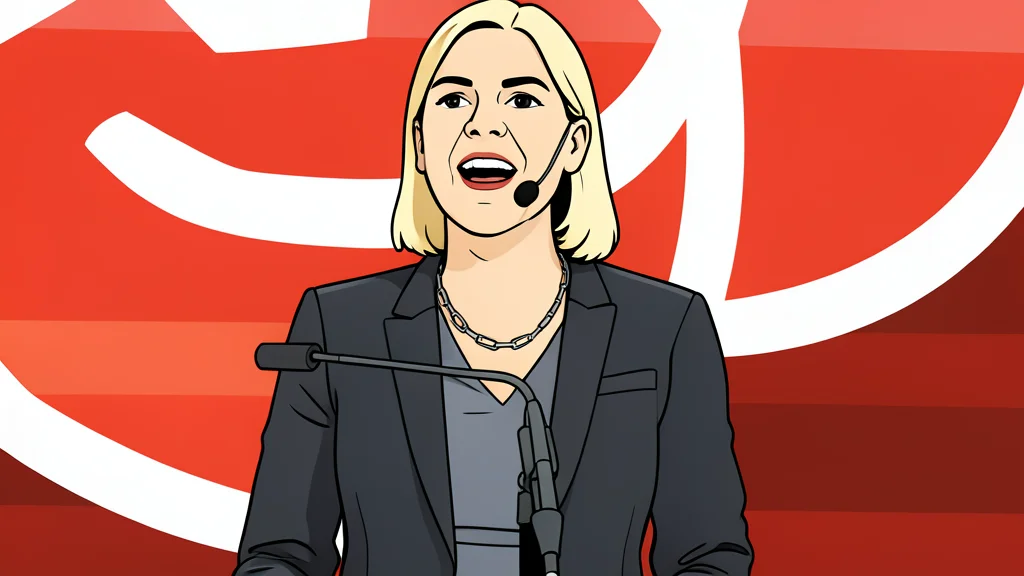
Magdalena Andersson, the leader of the Social Democrats, has declared that voters chose unity over division and has begun the process of forming a new government. She has already invited the three other left-leaning parties—the Left, the Centre, and the Green Party—to start coalition talks under the oversight of parliamentary speaker Andreas Norlen. However, the path to a stable government is complicated by deep policy divisions among these parties, particularly regarding taxation and energy infrastructure.
The Centre Party advocates for tax cuts, while the other three parties favor increases, creating an immediate point of contention. Furthermore, the Greens oppose nuclear energy, and the Left party has called for a billionaire tax. The Centre has also stated it refuses to join any coalition that includes the Left. These fractures mirror past difficulties in Swedish politics, where government formation has taken 37 days in 2022 and a record 134 days in 2018.
Political Context and European Implications
The election result underscores a broader tension in European politics between nationalist, anti-immigration platforms and traditional social-democratic models. Spanish Prime Minister Pedro Sánchez, who leads one of the few remaining progressive governments in Europe, hailed the result as a validation for the green agenda and social justice. This shift challenges the narrative that right-wing parties are consolidating power across the continent, suggesting that voters may still favor established welfare structures when given a clear choice.
Kristersson’s strategy of unifying right-leaning parties while allying with the far-right Sweden Democrats appears to have backfired. While his bloc successfully pushed forward some of the continent’s strictest migration policies, the association with the Sweden Democrats’ historical baggage seems to have alienated a sufficient number of voters to swing the election. The outcome forces a reassessment of how mainstream right-wing parties in Europe navigate their relationships with extremist factions to maintain electoral viability.