Sweden's New Government Formation Begins Under And
Following the September parliamentary election, Sweden enters a critical phase of coalition-building as the Social Democrats receive the mandate to explore a new administration.
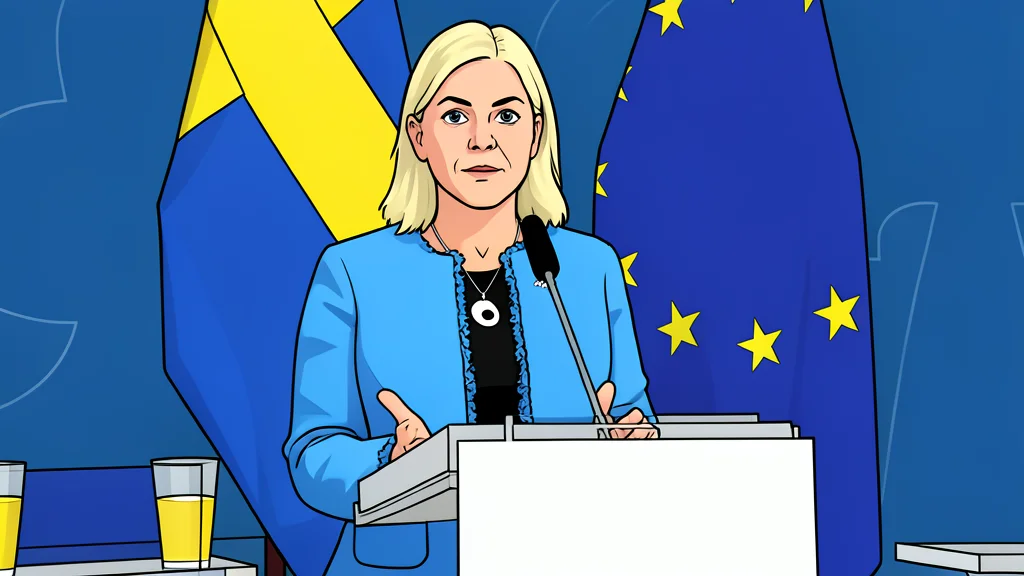
Magdalena Andersson, leader of the Swedish Social Democrats, has been formally tasked with exploring the formation of a new government after the recent parliamentary election. Parliament Speaker Andreas Norlen granted her the initial mandate to seek a coalition capable of securing sufficient support, a decision reached after individual consultations with all party leaders. According to Swedish public broadcaster SVT, this move follows the resignation of Prime Minister Ulf Kristersson, who stepped down after preliminary results indicated a majority shift toward the left-wing opposition bloc.
Andersson accepted the responsibility with what she described as great humility, emphasizing a desire to lead Sweden in a new spirit of cooperation. She stated her intention to seek broad alliances, a stance that has been noted by political observers as a strategic pivot toward inclusivity. The assignment is currently described as a probing mandate, meaning she is exploring possibilities rather than holding a guaranteed path to power. This distinction is crucial in the Swedish parliamentary system, where the speaker's confidence in the candidate's ability to form a majority is the primary hurdle.
Coalition Dynamics Shape the Path
The upcoming negotiations are expected to involve six other party leaders, according to statements made by Andersson earlier in the week. The complexity of Swedish politics often requires a multi-party agreement to reach a stable majority, making these talks pivotal for the nation's future direction. The focus will be on finding common ground on key policy areas such as economic management, climate policy, and social welfare. The outcome of these discussions will determine whether a stable government can be formed or if further political maneuvering is required.
No Immediate Deadline Set
There is currently no fixed deadline for Andersson to report the outcome of her talks to the parliament. The newly elected parliament is scheduled to convene on September 28, where it will elect a new speaker. This new speaker will then determine the specific timeline for the government formation process. A prime ministerial candidate could be formally proposed to parliament as early as September 29, though the exact date remains subject to the progress of the negotiations.
Watch for Key Negotiation Milestones
Political analysts suggest that the coming days will be defined by the extent of cooperation Andersson can secure. The ability to bridge ideological divides between the Social Democrats and their potential coalition partners will be the primary indicator of success. Observers should watch for official statements regarding the inclusion of smaller parties and the specific policy compromises being discussed. The process will likely be transparent, with regular updates provided to the public as talks progress, offering a clear view of Sweden's political trajectory.