Turkish Adviser Says Ankara-Washington Ties Extend Beyond NATO
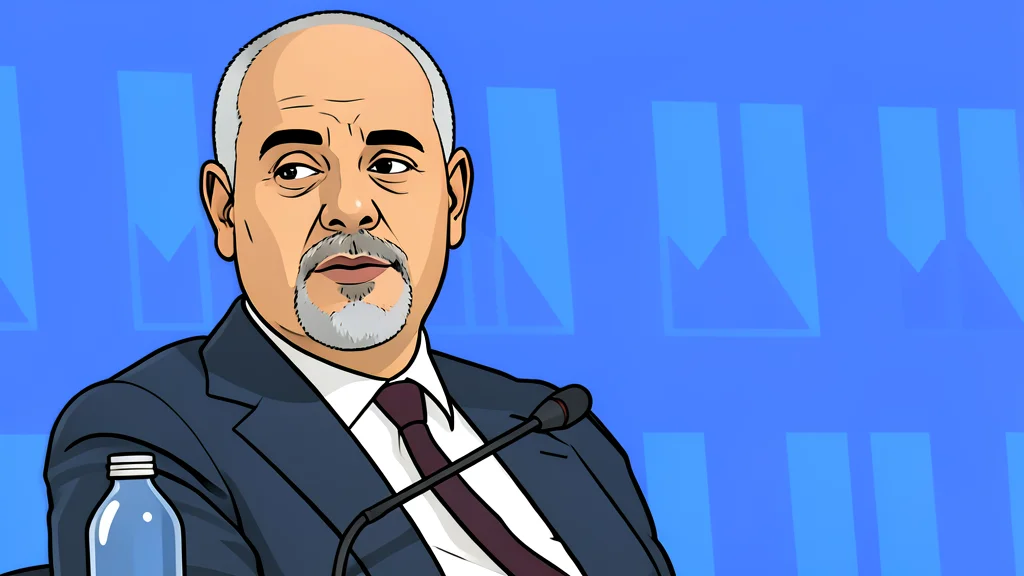
Akif Cagatay Kilic stated that bilateral relations are profound and distinct, with NATO serving as a critical pillar rather than the sole focus.
Key points
- Akif Cagatay Kilic stated that Türkiye-US ties are profound and extend beyond military cooperation, with NATO remaining a key pillar.
- Former US Ambassador James Jeffrey noted that Ankara and Washington share values and exist in the same world, unlike other major powers.
- A photo exhibition was opened in New York to mark the 100th anniversary of Turkish-American diplomatic relations.
Turkish President Recep Tayyip Erdogan's chief foreign policy adviser, Akif Cagatay Kilic, emphasized on Monday that the relationship between Ankara and Washington extends well beyond military cooperation. Speaking during a panel in New York, Kilic described the bilateral ties as profoundly different from other international partnerships, while acknowledging that NATO remains a central pillar of the alliance.
The remarks were made during a forum titled "Türkiye-US Relations on the Eve of the Centennial," organized by Türkiye's Communications Directorate amid United Nations General Assembly week. The event gathered senior Turkish officials and former American diplomats to discuss the evolving nature of the two nations' cooperation and the shared values that underpin their diplomatic engagement.
NATO as a Central Pillar
According to Kilic, the geopolitical landscape in which Türkiye found itself in the 1950s and 1960s has changed significantly, resulting in a distinct regional environment today. He noted that Ankara’s presence remains a constant factor in this geography, positioning the country as a pivotal point for stability. While he stressed that the bilateral relationship is not solely based on military dimensions, he affirmed that NATO is an important part of the broader connection.
Shared Values and Historical Depth
Cagri Erhan, deputy chair of the Presidential Council for Security and Foreign Policy, highlighted the historical depth of the ties, noting they date back to the 1830s during the Ottoman era. He recalled that although the United States entered World War I, it never declared war on the Ottoman Empire, underscoring a long-standing nuance in the diplomatic history. Former US Ambassador to Türkiye James Jeffrey added that the two nations share interests and values, stating that they exist in the same world, unlike other major powers.
Jeffrey described the two countries as complementary, noting that Ankara has the capacity to influence the entire Mediterranean and much of Europe. He praised the coordination between the two capitals, observing that even when disagreements arise, they are kept within manageable constraints. According to Jeffrey, this dynamic is best understood by the fact that Ankara and Washington operate in a distinct sphere of values and institutions, separate from rivals like China, Russia, and Iran.
Marking a Centennial of Diplomacy
To mark the 100th anniversary of Turkish-American diplomatic relations, a photo exhibition was opened at the venue where the panel was held. The display featured approximately 30 special photographs documenting high-level contacts between Turkish leaders and US officials, as well as visits by American presidents to Türkiye since the establishment of formal diplomatic ties. The event served as a visual reminder of the enduring engagement between the two nations, with participants showing significant interest in the historical record presented.
The discussions reflect a broader effort to contextualize the bilateral relationship ahead of the centennial milestone. As geopolitical dynamics shift, both sides appear focused on maintaining a framework that balances security cooperation with broader strategic alignment. The forward question remains how Ankara and Washington will navigate emerging regional challenges while preserving the institutional and value-based foundations that have defined their partnership for a century.