UK Warns UN of Russian Transnational Repression on British Soil
London urges the UN Human Rights Council to address intensified Russian targeting of exiled activists and journalists in the UK.
Key points
- The UK condemned Russia's intensified use of transnational repression, noting that these practices have significantly increased since 2022.
- London stated that Russian authorities are targeting exiled activists and journalists using surveillance, digital tools, and legal mechanisms, including on UK soil.
- The UK called on the international community to develop stronger protections for individuals targeted by Moscow to ensure their safe access to UN bodies.
The United Kingdom has formally condemned the expansion of Russia’s domestic repression into a broader strategy of transnational influence. According to a statement delivered to the UN Human Rights Council during its 63rd session, London highlighted that Moscow’s methods have intensified significantly since 2022, posing a direct challenge to international norms.
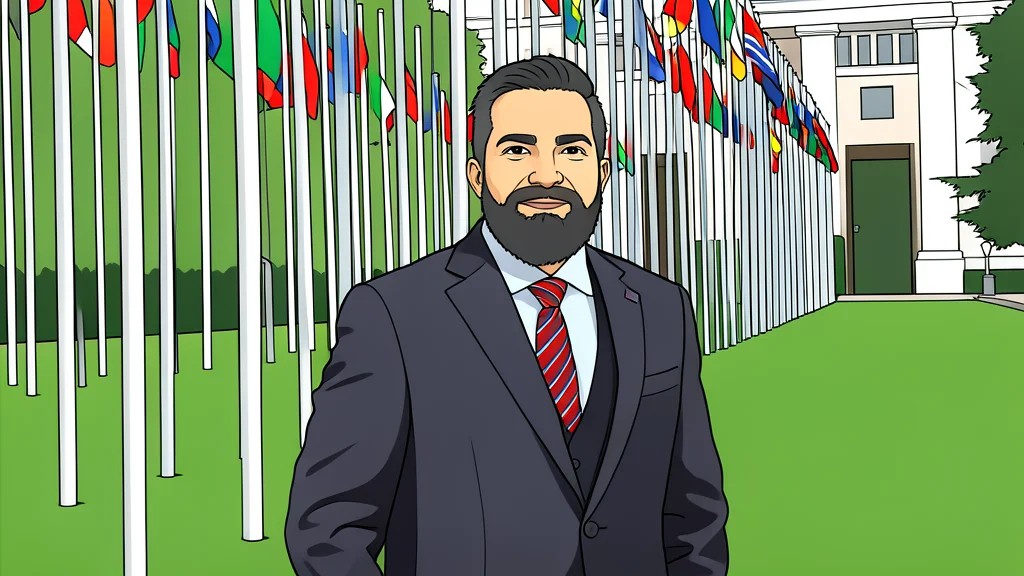
The UK Permanent Representative to the WTO and UN, Kumar Iyer, emphasized that these practices are no longer confined within Russian borders. He noted that the Kremlin is actively using threats, surveillance, and digital tactics to target individuals abroad, including those residing in Europe.
Escalation of Cross-Border Repression Tactics
The statement describes a shift in Russian state behavior, identifying the country as one of the world’s most prolific perpetrators of transnational repression. The UK expressed concern that these operations have become more sophisticated and frequent, particularly in the period following the invasion of Ukraine.
Specific mechanisms cited include cyber-enabled activity and the misuse of legal frameworks to silence dissent. Targets of these actions reportedly include journalists, human rights defenders, and anti-war voices who have fled the country. The UK noted that some of this activity is now occurring on British soil, raising significant security and diplomatic questions.
Calls for International Legal Accountability
London reiterated its demand for the release of all individuals imprisoned on political grounds in Russia. The statement stressed that the Russian authorities must uphold their international obligations, specifically regarding the protection of fundamental freedoms of expression, association, and belief.
The UK framed this issue as a shared responsibility for the international community, arguing that the values upheld by the UN must be protected against state-sponsored violations. This position aligns with broader Western diplomatic efforts to isolate Moscow on human rights grounds.
Seeking Mechanisms for Protecting Exiles
The dialogue concluded with a direct question to the Special Rapporteur regarding the most effective ways for states to strengthen protections for those targeted by Russian repression. The UK sought guidance on how to ensure these individuals can safely engage with international human rights mechanisms without fear of retaliation.
According to the text published on gov.uk, the focus is now on operationalizing these protections. The forward-looking question remains how member states can coordinate their legal and diplomatic resources to create a safe environment for exiled critics and activists.