Ukraine and Russia Prepare for US-Mediated Talks
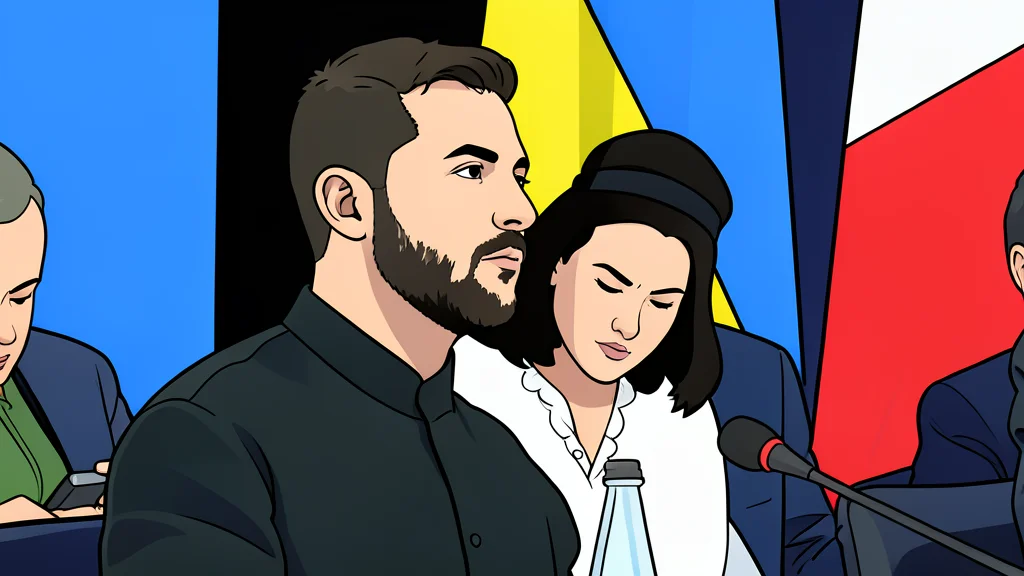
Kyiv and Moscow have signaled readiness for a new round of trilateral negotiations in October, though experts warn that deep-seated territorial disputes and air superiority gaps make a comprehensive breakthrough unlikely.
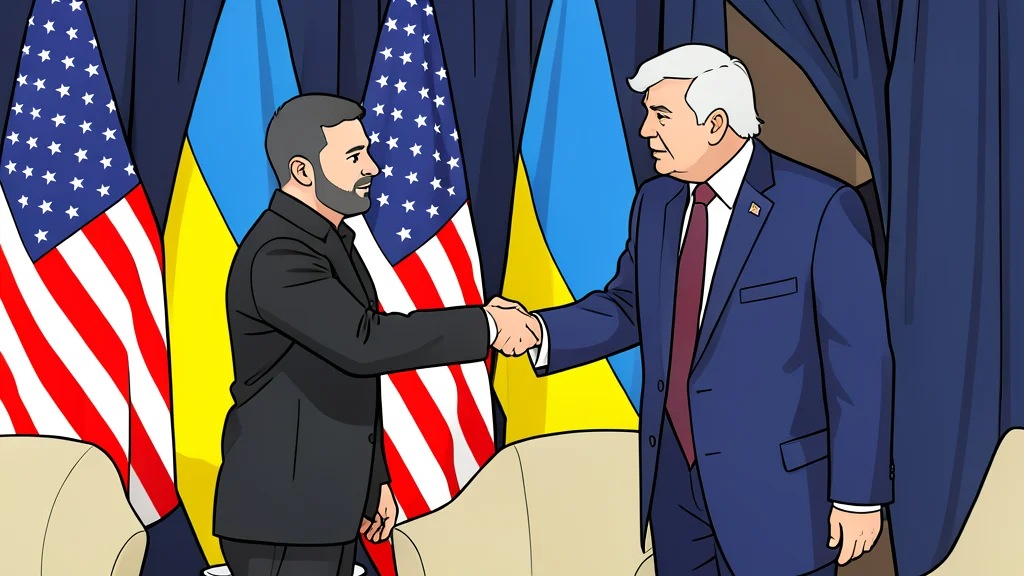
Ukraine and Russia have indicated their willingness to resume trilateral negotiations under the mediation of the United States, with both sides suggesting that talks could commence in October. Kyrylo Budanov, head of the Ukrainian president’s office, confirmed that preparations are underway, while Kremlin spokesman Dmitry Peskov stated that Moscow does not rule out the possibility in the foreseeable future. These signals follow visits by US envoys Steve Witkoff and Jared Kushner to both Moscow and Kyiv in early September, aiming to revive diplomatic efforts that have stalled since the last round in early 2026.
Despite the renewed diplomatic activity, analysts remain cautious about the potential for a swift resolution. The core obstacle remains the issue of territorial control in eastern Ukraine, a subject that proved unresolvable during previous sessions in Abu Dhabi and Geneva. According to Jared Kushner, President Vladimir Putin has outlined specific territorial demands that Ukraine is currently unwilling to accept, creating a significant impasse that complicates any broader agreement on ending the conflict.
Territorial Disputes Complicate Negotiations
The divergence between the two sides’ positions on territory remains the primary barrier to peace. Kushner noted at a security conference in Kyiv that if Ukraine were to withdraw to the line demanded by Moscow, a broader deal structure is already in place. However, the Ukrainian government has consistently rejected ceding territory, preferring instead to freeze the current frontline in exchange for robust security guarantees. A summer 2026 poll by the Kyiv International Institute of Sociology suggests that while a majority of Ukrainians support freezing the fighting, most reject the surrender of unconquered land, indicating a domestic political consensus that aligns with the government’s hardline stance.
Air Superiority Shapes Strategic Balance
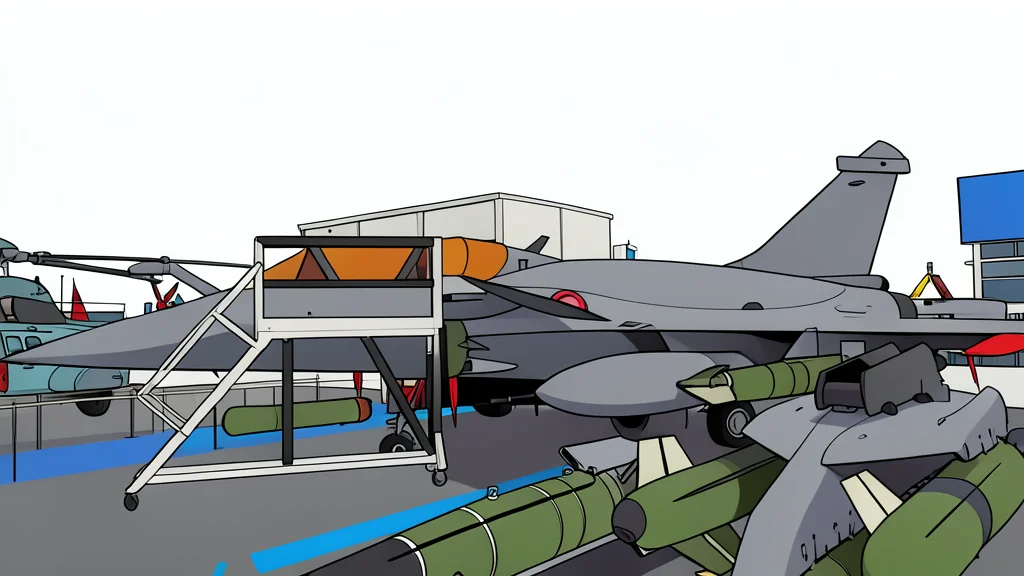
Beyond diplomatic posturing, the military balance of power continues to dictate the trajectory of the conflict. Volodymyr Fesenko, a political scientist based in Kyiv, told Deutsche Welle that a negotiated end requires a degree of parity that currently does not exist. While ground frontlines have remained largely static, Russia holds a significant advantage in the air domain. Ukraine is facing shortages of interceptors for ballistic missiles and struggling to counter new jet-powered drones that are faster and harder to detect than previous models. This asymmetry limits Ukraine’s leverage and complicates efforts to force Russia to the negotiating table through military pressure alone.
The intensification of aerial strikes has shifted the focus of the conflict toward economic and civilian infrastructure. Russian attacks increasingly target warehouses, energy facilities, and railway networks, aiming to degrade Ukraine’s economic capacity. In response, Ukraine has conducted deep strikes on Russian fuel and energy facilities, a move the Kremlin has criticized as opening a "Pandora's box." While Western officials like UK National Security Adviser Jonathan Powell view these escalations as signs of success in forcing negotiation, the human and economic toll is mounting, with Ukraine’s Economy Minister warning of a difficult winter due to ongoing infrastructure destruction.
Ukraine Seeks Partial De-Escalation
Facing the prospect of a harsh winter, similar to the blackouts and heating crises of 2025, Ukraine is pivoting its diplomatic strategy. Rather than seeking a full ceasefire, which Russia has rejected, Kyiv is now advocating for a partial de-escalation focused on protecting energy infrastructure and ensuring the free flow of grain exports via the Black Sea. This approach aims to stabilize the domestic situation and alleviate immediate humanitarian pressures, creating a more favorable environment for broader discussions. As October approaches, the focus will shift to whether these limited concessions can serve as a viable entry point for a more comprehensive peace process.