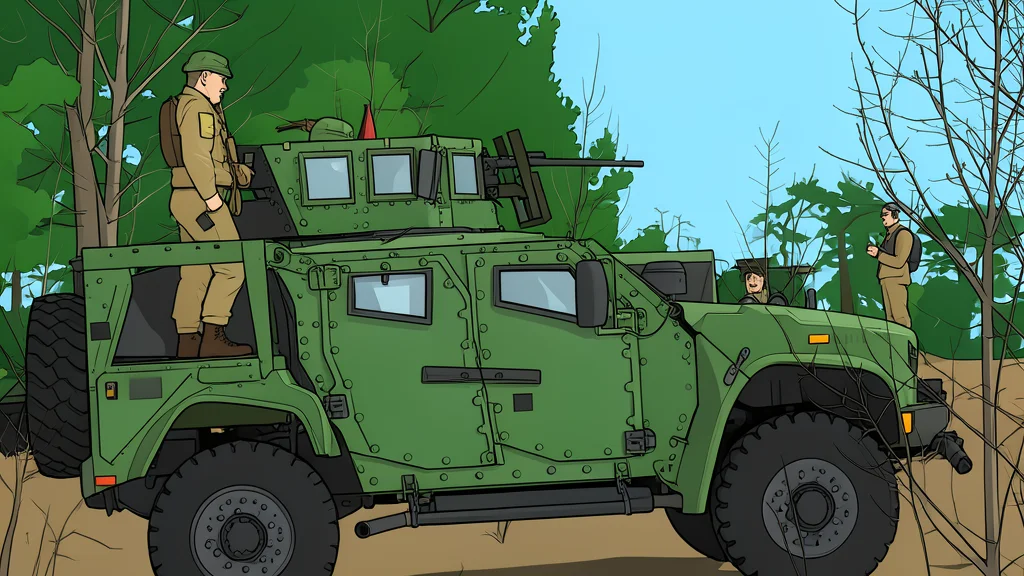
Finland Integrates into French Nuclear Deterrence Framework
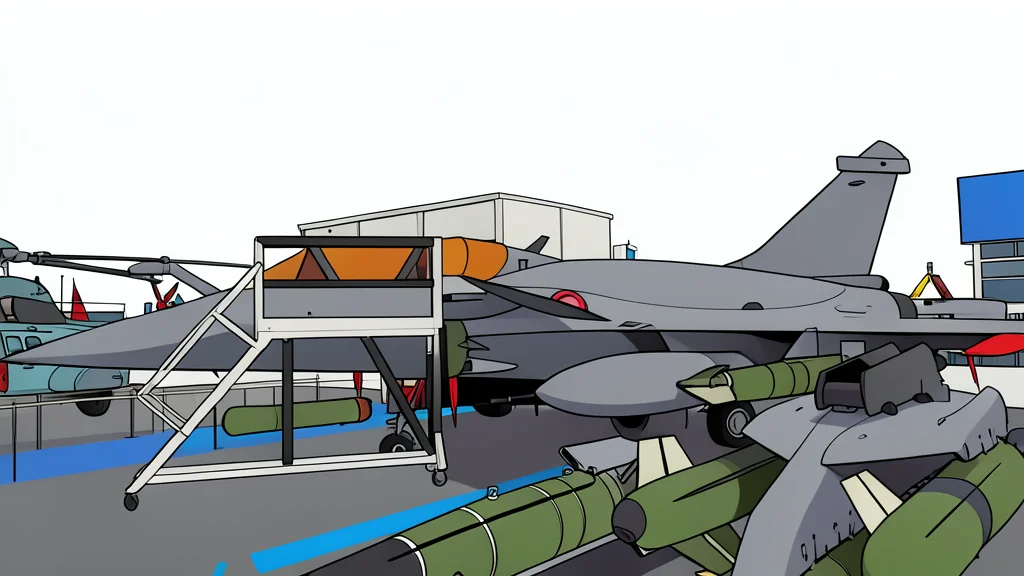
Helsinki agrees to allow French strategic aircraft, potentially carrying nuclear weapons, to operate within its borders, aligning its defense strategy with Paris while clarifying that no permanent arsenal will be stationed in the country.
Finland has agreed to join a French-led initiative on nuclear deterrence, marking a significant shift in European security cooperation. The arrangement, outlined in reporting by GN geopolitics/nuclear (en-US), permits French strategic air forces to be stationed in Finland and allows their aircraft to fly over Finnish airspace. This development occurs against a backdrop of heightened regional tensions, with Helsinki seeking to reinforce its defensive posture through closer alignment with Paris.
The agreement includes provisions for joint military exercises and regular consultations on nuclear doctrine. Finnish Defense Minister Antti Hykkänen described the move as a logical step, noting that neighboring Norway, Sweden, and Denmark have already participated in the French initiative. Since France is the only member state of the European Union with an independent nuclear arsenal, this partnership allows Finland to gain access to strategic capabilities without developing its own weapons program.
Clarifying the Scope of Deployment
Despite the expanded cooperation, Finnish President Alexander Stubb emphasized that the agreement does not involve the permanent deployment of nuclear weapons on Finnish soil. According to Stubb, there will be no nuclear weapons present in the country during peacetime. The focus of the initiative is on enhancing Finland’s understanding of French approaches to deterrence and ensuring operational interoperability between the two air forces, rather than establishing a fixed nuclear presence.
This distinction is crucial for understanding the geopolitical implications of the deal. While French jets may carry nuclear weapons during exercises or specific missions, the baseline arrangement relies on the threat of rapid deployment rather than static storage. This model allows Finland to benefit from the deterrent effect of the French arsenal while maintaining a clear legal and political boundary regarding the physical location of such weapons in peacetime.
Regional Security and Airspace Constraints
The decision comes at a time when Finland is actively managing significant security threats in its immediate vicinity. The country has recently restricted both air and maritime traffic in parts of the Gulf of Finland due to the threat of drone activity. These restrictions highlight the operational environment in which the new French-Finnish cooperation is taking place, where the risk of incursions or hybrid warfare tactics is a primary concern for Helsinki’s defense planners.
By integrating with the French nuclear umbrella, Finland aims to add a layer of strategic depth to its defenses. The ability to host French strategic aircraft provides a credible response to potential threats, leveraging the broader capabilities of a major European power. This move also signals a broader trend among Nordic and Baltic states to deepen their security ties with Western allies in response to evolving regional dynamics.
Anticipated Reactions and Future Watchpoints
President Stubb has expressed the expectation that Russia will react negatively to this development, as Moscow has previously opposed the expansion of the French nuclear initiative. The Kremlin has historically viewed such arrangements as provocative moves by NATO-aligned states. How Russia responds to this specific agreement, particularly regarding its proximity to Finnish borders, will be a key indicator of the broader escalation or de-escalation dynamics in the region.
Moving forward, observers should watch for the implementation of joint exercises and the specific protocols governing the stationing of French aircraft. The frequency of these operations and the nature of the consultations on nuclear doctrine will provide insight into the depth of the integration. Additionally, the reaction from other European allies who have not yet joined the initiative will be significant, as Finland’s participation may encourage further alignment within the EU’s security architecture.