Ukraine Repatriates 252 Bodies from Russia
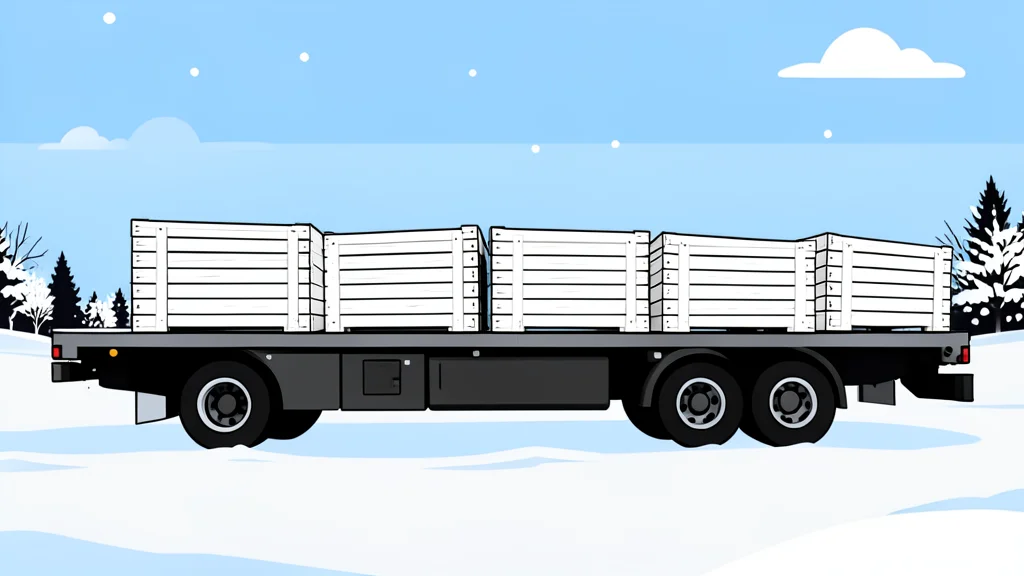
Ukraine has brought home the remains of 252 citizens from Russian territory, a move that underscores the complex humanitarian cooperation persisting amid ongoing conflict.
The Coordination Headquarters for the Treatment of Prisoners of War announced on September 17 that Ukraine has successfully repatriated the bodies of 252 individuals from Russia. According to the statement, the remains belong to Ukrainian citizens, including military personnel. This latest transfer marks a significant continuation of efforts to bring fallen soldiers home, a process that has gained momentum since the resumption of peace talks in early 2025.
The operation involved a coordinated effort among multiple state agencies, including the Security Service, the Armed Forces, and the Interior Ministry. Law enforcement investigators and expert institutions from the Interior Ministry are now tasked with conducting examinations to identify the individuals. The International Committee of the Red Cross was thanked for its assistance in facilitating this specific repatriation, highlighting the role of neutral intermediaries in maintaining these humanitarian channels.
Asymmetric loss dynamics shape exchanges
Analysts note a distinct imbalance in the volume of remains being exchanged between the two sides. According to the Kyiv Independent, citing data from the independent analytical platform VoxUkraine, Russia is likely to hand over more Ukrainian bodies than Ukraine returns Russian remains. This disparity is attributed to the fact that Russian forces have captured a larger number of Ukrainian bodies during their offensive operations, despite suffering heavier overall losses in the war.
Humanitarian cooperation persists amid conflict
Repatriation operations have emerged as one of the few areas where continued cooperation between Ukraine and Russia remains viable. While the broader conflict intensifies, these exchanges provide a critical mechanism for families to receive closure. The previous major exchange took place on August 13, when Ukraine brought home the bodies of 261 deceased individuals. The consistency of these operations suggests a functional, if fragile, framework for managing the human cost of the war.
Transparency gaps remain in data
Despite regular public reporting on the number of Ukrainian bodies received, there is a lack of public data regarding the remains of Russian soldiers returned to Moscow. Ukraine does not publish figures on these reverse transfers, leaving a significant gap in the public understanding of the total scale of fatalities on both sides. This opacity complicates efforts to assess the true human toll of the conflict and maintain accurate casualty records.