Turkey Expands Digital Restrictions Amid LGBTQ+ Crackdown
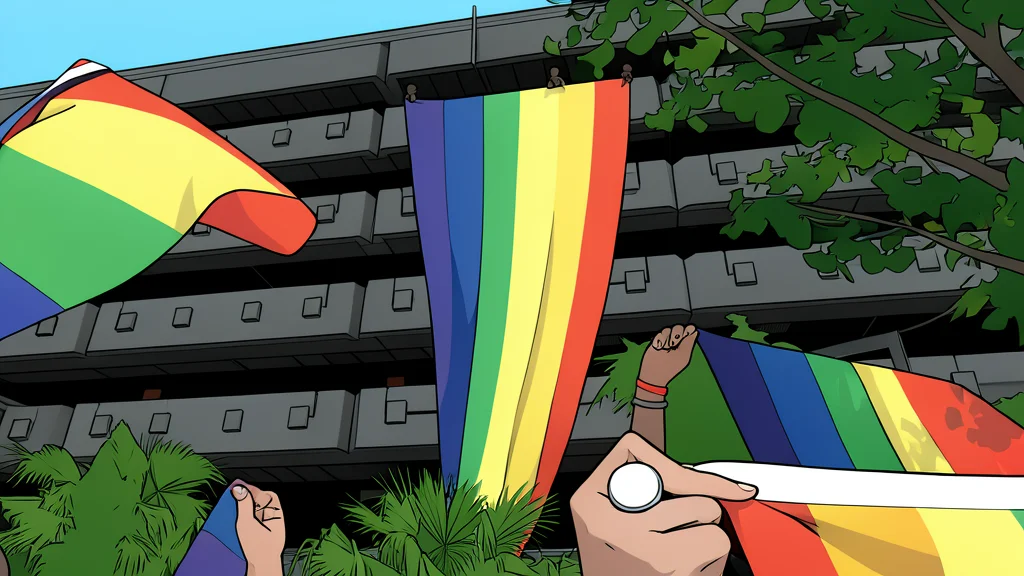
Turkish authorities have blocked hundreds of social media accounts and arrested dozens of activists and journalists, citing the need to protect public morals.
An Istanbul court ordered the blocking of 419 social media accounts on Wednesday, marking a significant escalation in a broader crackdown targeting LGBTQ+ groups in Turkey. The move comes amid a series of police operations that have resulted in mass arrests and sweeping internet restrictions aimed at journalists, media outlets, and civil society organizations.
State media reported that the blocks were implemented by the Cyber Crimes Investigation Bureau under the justification of protecting families and young people from abuse. However, the specific content deemed obscene was not detailed in official statements, leaving ambiguity about the criteria used to identify the targeted accounts.
Journalists and Activists Face Detention
The blocked accounts include those of prominent journalists, human rights advocates, and women’s civil society groups. Sirin Payzin, a veteran journalist with over 1.8 million followers, stated that her account was made invisible within Turkey immediately after the order. She argued that banning journalists and shutting down digital platforms is a mistaken approach to addressing social issues.
Courts ordered the formal arrest of at least 80 individuals, including LGBTQ+ rights activists, their supporters, and journalists, between Wednesday night and Thursday morning. While 106 people detained earlier during a protest in Istanbul were released, the new arrests signal a continued enforcement strategy by authorities.
Authorities Cite Moral Protection Framework
According to the Anadolu Agency, the police operation was framed as a study aimed at safeguarding children and families from all forms of abuse. The government insists that these investigations are being conducted strictly within the framework of criminal law. This narrative contrasts with the perspective of rights groups, who view the actions as a direct assault on fundamental freedoms.
LGBTQ+ and human rights organizations have criticized the operations, arguing that they target freedom of expression, association, and advocacy. They contend that the sweeping nature of the blocks and arrests goes beyond standard criminal procedure and instead serves to suppress dissent and marginalized identities.
International Observers Question Legality
Gurkan Ozturan, a monitoring officer at the European Centre for Press and Media Freedom, told Balkan Insight that the actions instigated by the conservative Islamist government demonstrate a pattern of criminalizing both identity and information. He suggested that the authorities are using legal mechanisms to restrict the flow of information and silence voices critical of the government’s social agenda.
The situation raises questions about the future of digital rights in the region. As the crackdown expands, observers are watching whether international bodies will intervene or if further legal challenges will be filed by the affected individuals and organizations.