Ukraine Signs Memorandum with Hungary for Border Oil Storage
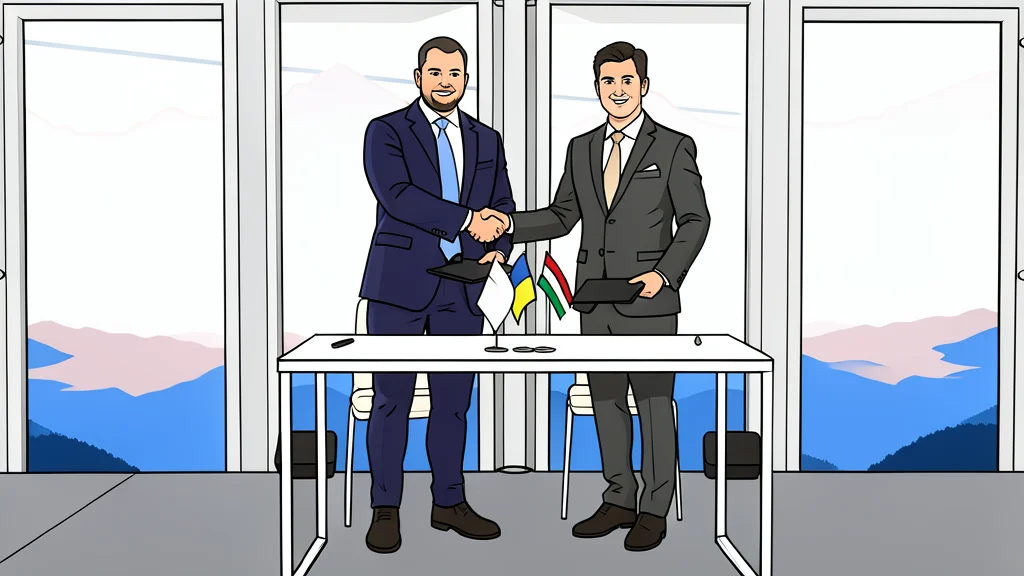
Naftogaz and Mol agreed to build storage facilities near the shared border to secure fuel supplies against potential Russian winter attacks.
Key points
- Naftogaz and Mol signed a memorandum to build oil storage facilities near the Ukrainian-Hungarian border.
- The initiative aims to protect fuel supplies from Russian winter attacks on energy infrastructure.
- The agreement coincides with a diplomatic shift under Hungary’s new Prime Minister Peter Magyar.
Ukraine’s state-owned energy group Naftogaz has signed a memorandum with Hungary’s Mol to construct oil product storage facilities near their shared border. According to Naftogaz acting head Serhii Fedorenko, the move is a strategic response to ongoing Russian attacks on Ukrainian fuel infrastructure, aiming to diversify supply routes and ensure market stability during the winter months.
Strategic response to infrastructure threats
Fedorenko stated that creating additional storage capacity outside of high-risk attack zones is essential for the stability of the entire energy market. The new facilities are designed to serve Ukraine’s immediate needs while simultaneously strengthening cross-border energy infrastructure. This approach seeks to mitigate the vulnerability of domestic storage sites, which have been frequent targets of recent drone and missile strikes.
Diplomatic thaw in bilateral relations
The agreement was reached during the first Carpathian 8 Summit in Ivano-Frankivsk Oblast, a forum dedicated to economic cooperation in the region. According to Kyiv Independent, the deal reflects a partial thaw in relations between Ukraine and Hungary following the arrival of Prime Minister Peter Magyar, who replaced the Kremlin-aligned Viktor Orban. While Magyar has not committed to military aid or accelerating EU accession, he has signaled a desire for a more constructive partnership.
Regional cooperation and future outlook
The memorandum marks a shift toward practical economic collaboration between the two neighbors. Observers note that while political differences remain, the energy sector offers a pathway for enhanced stability. The focus now turns to the logistical implementation of the storage projects and the extent to which they will insulate Ukraine’s supply chain from further disruption.