United Russia Leads Vote in Duma Election Amid Drone Strikes
Preliminary data shows the ruling party securing majority support as Ukrainian drones hit Moscow during the final voting day.
Key points
- United Russia is projected to win 57.54 percent of the vote according to preliminary Central Election Commission data.
- Ukrainian drone strikes hit a Moscow oil refinery on the final day of the three-day parliamentary vote.
- Russian officials reported cyberattacks on voting systems and communications infrastructure, which they claim were repelled.
United Russia, the political party closely associated with President Vladimir Putin, is on track to secure a dominant share of the vote in Russia's parliamentary elections. Preliminary figures released by the Central Election Commission indicate the party is polling at 57.54 percent, a result that independent observers widely consider predetermined due to the strict control exercised by the state apparatus.
The three-day voting process concluded on September 20, with final tallying expected to continue until September 25. According to the Kyiv Independent, this election marks the first legislative vote since the full-scale invasion of Ukraine, taking place against a backdrop of heightened security measures and allegations of external interference.
Opposition voices excluded from contest
Genuine opposition parties were effectively barred from the competition, with the anti-war party Yabloko banned by the Supreme Court and other figures facing legal pressures. Opposition politician Boris Nadezhdin reportedly left the country in August amid fears of criminal prosecution, while human rights group OVD-Info states that over 2,000 individuals are currently imprisoned for political reasons.
The parties expected to win minority seats, including the Communists and the LDPR, consistently align with United Russia in the State Duma. This alignment ensures that the ruling bloc maintains a commanding majority, limiting the capacity for legislative dissent within the chamber.
Cyberattacks claimed during final hours
Russian authorities alleged that electronic voting systems and communications infrastructure faced significant threats during the election period. Ella Pamfilova, head of the Central Election Commission, stated that Moscow’s online voting system experienced a major cyberattack overnight, although officials claim these attempts were successfully repelled.
Separately, the Digital Ministry reported an attempted sabotage of communications infrastructure in the Far East. Officials asserted that these disruptions were contained and that communications were restored without impacting the voting process, though international observers have raised questions about the transparency of these claims.
Drone strikes coincide with voting
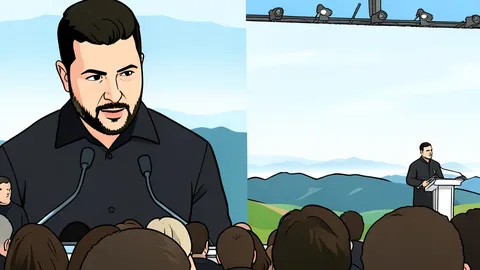
The final day of voting in Moscow occurred simultaneously with a large-scale Ukrainian drone attack. Reports indicate that strikes targeted the Gazpromneft-Moscow Oil Refinery, causing significant fires and smoke that filled the capital. President Zelensky urged Moscow to end the war and choose peace, framing the conflict as a choice between violence and de-escalation.
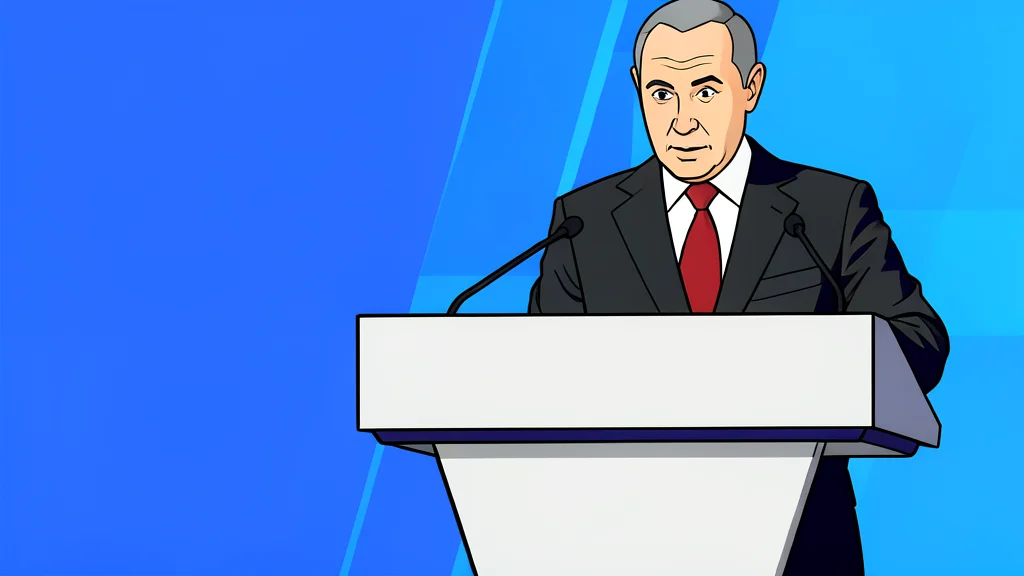
The Kremlin, for its part, accused Ukraine of attempting to interfere with the election through various means. Putin used the pre-election period to rally support, framing the vote as a demonstration of national unity and backing for the military, while emphasizing the stability of the current political system.