US Seeks Belarus Potash Deal, Undercutting Canadian Supply
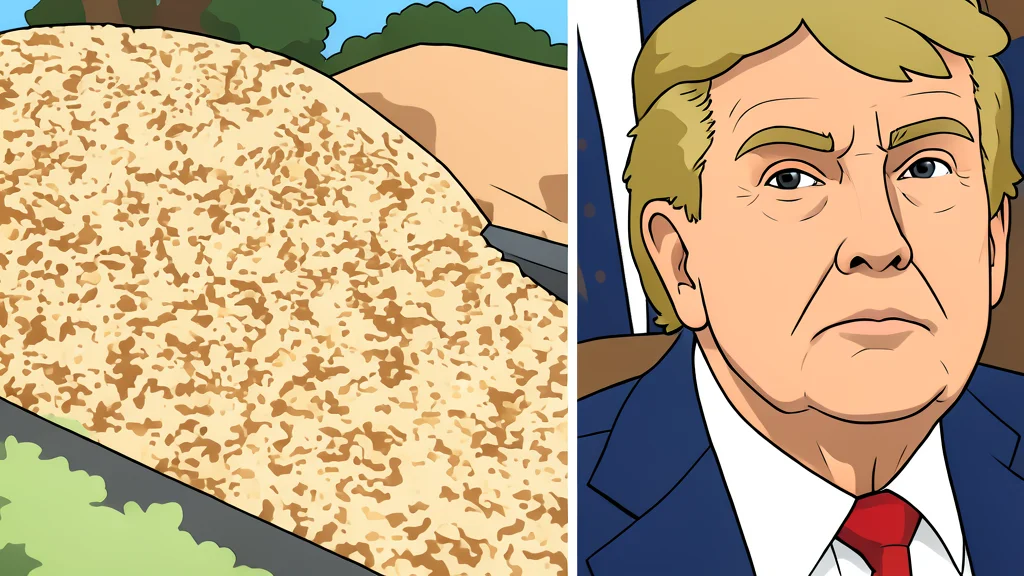
Washington is negotiating a potash purchase from Minsk at a lower cost than Canadian exports, despite ongoing geopolitical tensions and sanctions history.
Key points
- Trump claims a new deal will buy Belarusian potash at a lower price than Canadian exports.
- Saskatchewan Premier Scott Moe calls the move illogical, noting that most U.S. potash comes from Canada.
- Belarus remains under EU sanctions, and its export infrastructure is limited, complicating potential large-scale sales.
U.S. President Donald Trump has announced that his administration is negotiating a significant agreement to purchase potash from Belarus. According to Trump’s statement on social media, the proposed pricing would be substantially lower than what the United States currently pays to Canada, a move he described as beneficial for American farmers and ranchers.
The announcement intensifies existing trade tensions between Washington and Ottawa. Canada is currently the leading global exporter of potash, supplying nearly 85 percent of U.S. imports, with Saskatchewan accounting for the vast majority of that volume. The potential shift toward Belarusian supplies marks a notable escalation in the broader trade dispute.
Canadian Officials Reject Belarusian Sourcing
Saskatchewan Premier Scott Moe strongly criticized the proposed deal, labeling it illogical and ethically problematic. Moe noted that more than 40 countries maintain sanctions against Belarus due to its support for Russia’s invasion of Ukraine. He argued that buying what he termed "blood potash" would indirectly support Russian aggression and undermine regional stability.
Moe emphasized that Canadian potash is sourced from active mines within Saskatchewan, which is geographically and logistically superior for North American supply chains. He expressed concern that shifting away from a long-term customer would result in job losses and significant economic harm to the province, even as he rejected the idea of using mineral exports as retaliatory leverage.
Sanctions Context and Export Constraints
According to Reuters, Belarusian potash remains under strict European Union sanctions, and the landlocked nation has been barred from exporting via the Lithuanian port of Klaipeda since early 2022. While the U.S. lifted specific sanctions on Belarusian potash in late 2025 following the release of political prisoners, logistical and political hurdles remain significant for large-scale commercial transactions.
Belarusian President Alexander Lukashenko has stated that there is little remaining capacity to supply Western markets. However, the U.S. interest in this commodity highlights the critical nature of potash in agricultural production. The move follows earlier remarks by U.S. Ambassador Pete Hoekstra, who acknowledged that America relies heavily on Canadian potash due to a lack of alternative global suppliers.
Strategic Implications for North American Trade
The situation reflects a broader strategic divergence among Canadian provincial leaders regarding how to respond to U.S. tariffs. While some officials have advocated for restricting access to critical resources like electricity and oil, others, including Alberta Premier Danielle Smith, have warned against using essential commodities as weapons in the trade war, citing the long-term economic risks to domestic industries.
As reported by ctvnews.ca, the potential pivot to Belarusian supplies signifies a further complication in the U.S.-Canada relationship. Observers will now watch whether Washington moves forward with the Belarusian deal despite logistical barriers, and how Ottawa responds to what it views as a destabilizing shift in critical mineral sourcing. The outcome could reshape North American agricultural supply chains in the coming months.