US Extends $85M Loan to DTEK for Ukraine Battery Storage
The US International Development Finance Corporation has approved an $85 million loan for Ukraine’s largest private energy firm, marking a significant step in securing grid resilience amidst ongoing conflict.
Ukraine’s largest private energy company, DTEK, has secured an $85 million loan from the U.S. International Development Finance Corporation (DFC) to support its battery storage infrastructure. According to DTEK, the agreement was announced on September 16 and represents the DFC's largest wartime transaction to date. This financial move comes as Kyiv seeks to harden its energy sector against continued Russian targeting of power generation facilities, a strategy that has made grid stability a critical national priority.
The investment is designed to refinance existing loans from Ukrainian banks and fund the expansion of battery storage systems. DTEK CEO Maxim Timchenko emphasized that while the capital is essential, the symbolic value of the partnership is equally significant. He stated that the DFC’s willingness to assess and manage wartime risk sends a clear signal to the broader private sector that investing in Ukraine’s energy resilience is viable. This stance aims to counter previous hesitancy from international lenders, such as the European Bank for Reconstruction and Development, which had cited ownership concerns as barriers to financing.
Decentralizing Grid Resilience
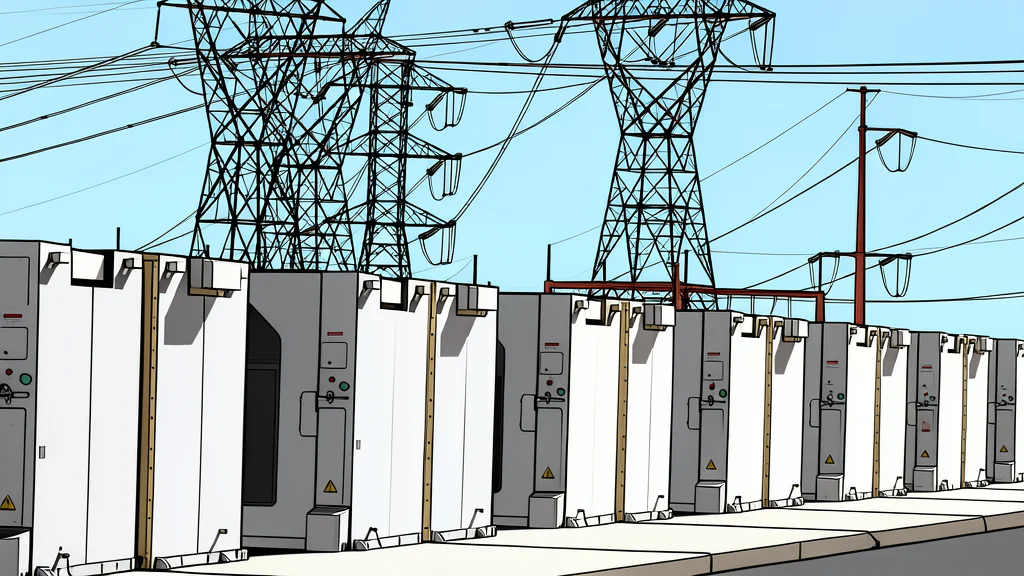
The core of this initiative involves a 200-megawatt battery storage system developed in partnership with American firm Fluence Energy. Commissioned last September, the installation utilizes 698 Gridstack batteries capable of powering 600,000 homes for two hours. This capacity is intended to stabilize the grid in the Kyiv and Dnipropetrovsk regions, reducing the impact of potential blackouts caused by attacks on central thermal plants. By decentralizing energy storage, DTEK aims to create a more robust buffer against the mass bombing campaigns that have repeatedly targeted Ukraine’s power infrastructure during previous winters.
DTEK, owned by Rinat Akhmetov, has positioned itself as a primary entry point for foreign investors in the Ukrainian energy market. Despite signing several agreements with U.S. and European partners over the last 18 months, the sector has not yet witnessed a broad wave of large-scale foreign capital. Timchenko believes this DFC deal could serve as a catalyst, demonstrating that major financial institutions are prepared to operate in high-risk environments. This confidence is crucial as the company prepares to restore four gigawatts of generation capacity before the upcoming heating season.
Avoiding Chinese Supply Chains
A distinct feature of this project is its reliance on American technology. While most Ukrainian developers source battery components from China, DTEK specifically sought U.S. products to align with broader strategic goals. According to DFC CEO Ben Black, the investment demonstrates a commitment to strengthening critical supply chains and providing market-based alternatives to foreign influence. This approach reflects a wider U.S. policy under the Trump administration to exclude Chinese components in sensitive sectors, a strategy recently applied in defense-tech agreements involving drone software that avoids Beijing-linked hardware.
The DFC has expressed long-standing interest in Ukraine’s energy sector, engaging in months of negotiations with DTEK prior to this final approval. The rationale for targeting DTEK specifically is its status as the largest private player in a sector dominated by state-owned entities. By supporting a private actor, Washington aims to foster a more dynamic and resilient market structure. This strategy is part of a broader effort to mobilize private-sector capital in priority markets, ensuring that economic resilience is built through diversified, non-state channels.
Preparing for Winter Campaigns
Urgency drives this investment as Ukraine braces for another harsh winter. Last year, all of DTEK’s thermal plants were hit by Russian strikes, forcing energy workers to repair damage around the clock. Timchenko has stated that the company is confident it will be ready for the coming heating season, but the margin for error remains slim. The new battery storage capacity will serve as a critical backup, ensuring that essential services remain operational even if generation assets are disabled. This proactive preparation is seen as vital to maintaining civilian life and economic function during periods of intense military activity.
Looking ahead, the success of this DFC deal will be closely watched as a benchmark for future wartime investments. If it inspires other institutions to engage with Ukrainian private energy firms, it could significantly accelerate the modernization of the grid. However, the immediate focus remains on the physical restoration of generation capacity and the integration of new storage systems before the winter months begin. The outcome will test the resilience of Ukraine’s energy sector and the durability of its international partnerships under pressure.