Warsaw Warns of Potential Russian Strikes Targeting NATO Allies
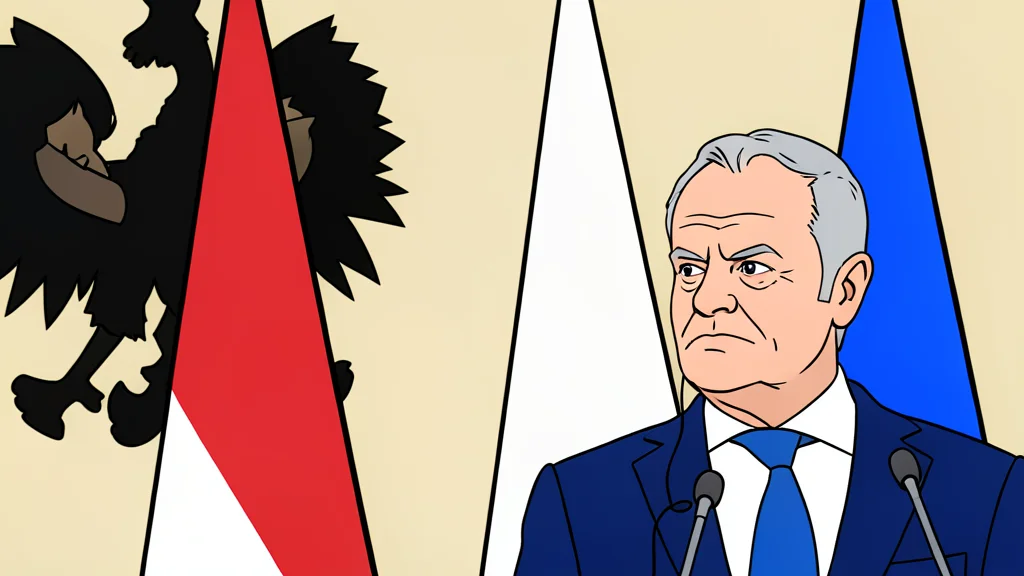
Polish leadership claims intelligence indicates Moscow plans hybrid attacks on nations supporting Ukraine, aiming to erode collective defense resolve.
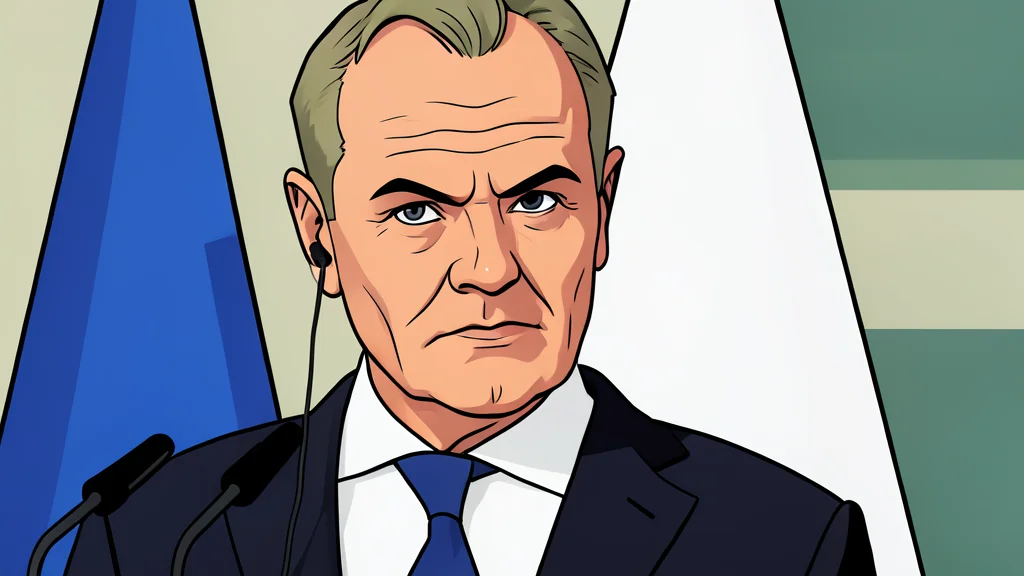
Polish Prime Minister Donald Tusk stated on Thursday that intelligence assessments suggest Russia is preparing hybrid drone and missile strikes against countries supporting Ukraine. According to Tusk, these potential attacks are designed to be presented as accidental, with the strategic goal of weakening NATO’s ability to act collectively in response to aggression against member states.
The warning comes amid heightened tensions along the eastern border, where Poland recently scrambled military aircraft following a Russian attack in western Ukraine. The Polish government has expressed concern that Moscow is seeking to fracture European unity by targeting nations that provide critical support to Kyiv, a claim the Kremlin has vigorously denied.
Escalating Tensions Near The Border
Recent days have seen a series of incidents close to the Polish-Ukrainian frontier, including a drone strike on a passenger train just two kilometers from the border. In response, Polish Defense Minister Wladyslaw Kosiniak-Kamysz confirmed that the country has increased the activity of F-16 jets and helicopters while reinforcing rapid-response air defense systems. Airports in Rzeszow and Lublin were temporarily closed, and air raid warnings were issued to residents in eastern Poland.
Tusk indicated that such attacks might coincide with political shifts in certain European countries. He suggested that Moscow may be leveraging the rise of parties with more Russia-friendly stances to call for a halt to support for Ukraine, framing it as a pursuit of peace rather than capitulation. This assessment highlights the intersection of military threat and political instability within the alliance.
Intelligence Claims And Strategic Intent
According to the Polish Prime Minister, the suspected Russian strategy involves creating ambiguity through strikes that appear accidental. The objective, he argued, is to paralyze or weaken the resolve of NATO states to invoke collective defense provisions. Tusk did not specify which intelligence agencies provided this warning, but he emphasized that the threat is considered credible and imminent.
European officials have long suspected Moscow of orchestrating acts of sabotage to pressure allies, particularly Germany, into reducing their support for Kyiv. These allegations form part of a broader pattern of hybrid warfare tactics that blend cyber operations, disinformation, and kinetic strikes to destabilize the region without triggering a direct conventional war.
Diplomatic Efforts And Defense Cooperation
In a move to strengthen regional security, Tusk announced he will meet with Ukrainian President Volodymyr Zelenskyy to discuss cooperation within the Integrated Anti-Ballistic Missile Coalition. This group of European nations is developing a joint air defense system intended to serve as a cost-effective alternative to US-built Patriot systems, aiming to enhance the collective defensive posture of the alliance.
As the situation evolves, attention will turn to how NATO members respond to these warnings. The coming weeks will likely see increased diplomatic engagement and military preparedness across Eastern Europe. Observers will watch closely for any further incidents near the border and how the alliance balances the need for deterrence with the risk of unintended escalation.