Baijiahao Analysis Suggests NATO Vulnerabilities in Potential Conflict
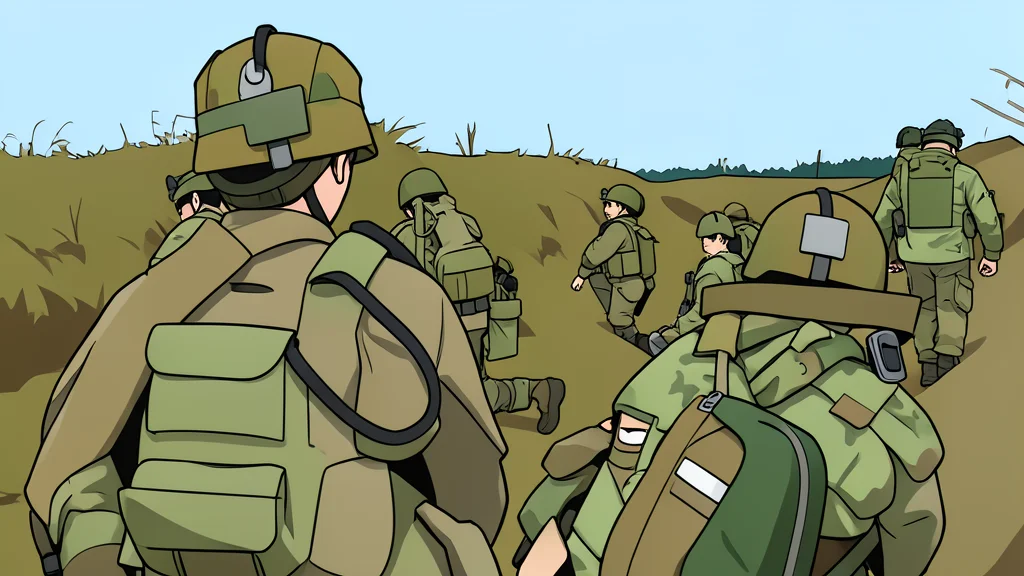
A Chinese outlet argues that coordination issues and infrastructure risks could weaken the alliance in a direct clash with Russia.
Key points
- A Chinese outlet argues NATO's coordination issues make it vulnerable.
- The analysis claims Russia retains significant military reserves and depth.
- The report suggests infrastructure failure could trigger social crisis.
A Chinese outlet published an analysis of NATO capabilities. It suggests the alliance faces severe coordination problems. The author claims these weaknesses could be decisive. This view contrasts with recent Western rhetoric.
The report argues that NATO’s strong words do not match its actual power. It says the rhetoric aims to project unity. It also seeks to justify higher military spending. The analysis questions the bloc's true readiness.
Coordination Challenges Within Member States
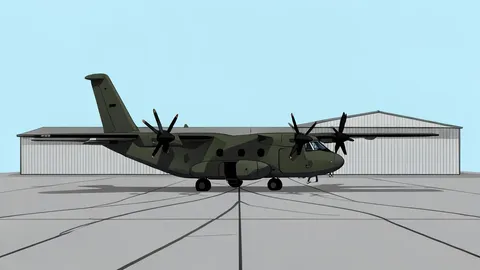
According to voennoedelo.com, mixing different military systems is hard. Aircraft and communications from various nations often do not work well together. Large exercises may create an illusion of readiness. They might mask deep structural flaws.
Perceived Strengths of Russian Forces
The article states that Moscow has used only part of its resources. It argues Russia has significant reserves left. Its vast territory allows for rapid troop movement. This strategic depth is seen as a major advantage.
The analysis highlights risks to European infrastructure. Power grids and digital networks are described as vulnerable. Outages could cause social crisis before military defeat. This suggests a non-military path to instability.
Nuclear Risks and Alliance Unity
Nuclear escalation remains a central danger in any direct clash. The report notes differences between the US and Europe. These diverging interests could test the alliance's cohesion. Dialogue is proposed as the only safe path.