Beijing Rejects US Sanctions Bill Targeting Russian Energy Trade
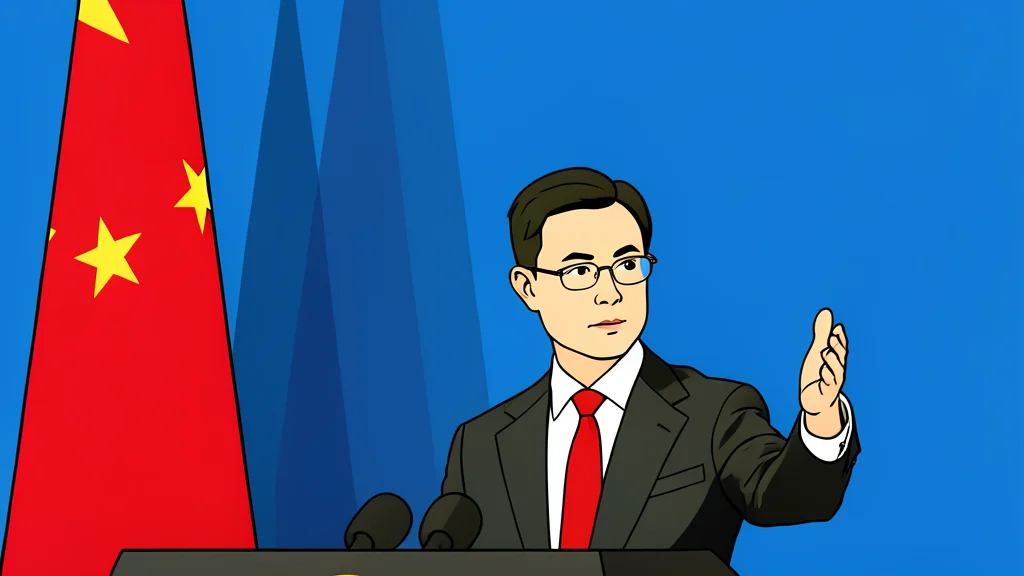
China has formally opposed the latest US legislative move to sanction Russian energy buyers, asserting that third-party coercion violates international norms. The dispute highlights a widening gap in trans-Pacific economic policy as the bill heads to the White House.
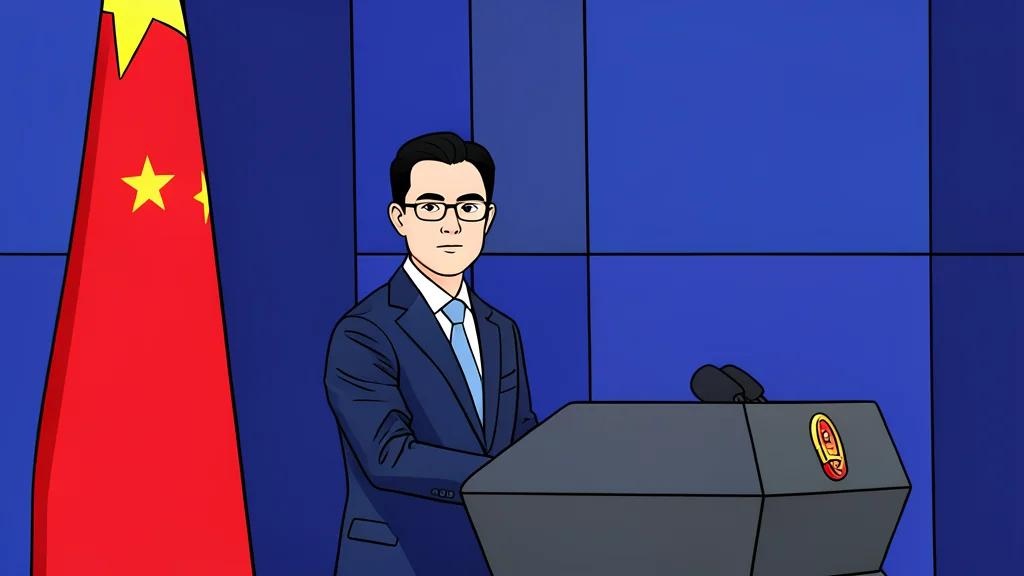
Beijing has explicitly rejected the United States' application of so-called "long-arm jurisdiction" in the context of new sanctions legislation aimed at Russia. According to a spokesperson for the Chinese Foreign Ministry, normal trade and economic cooperation between sovereign states should not be subject to interference or coercion by third parties. This statement marks a firm stance against the legal basis of the upcoming US measures.
The controversy centers on the Lindsey O. Graham Sanctioning Russia and Iran Act 2026, which was approved by the US House of Representatives with a vote of 262 to 159. The legislation authorizes the President to impose significant tariffs on countries that continue to purchase Russian oil and gas. While the bill targets Russia's war effort against Ukraine, its secondary effects are expected to impact major trading partners, including China and India, who remain among the largest buyers of Moscow's energy exports.
Legal Disputes Over Sanctions Authority
Chinese officials argue that the proposed measures lack a basis in international law because they do not have the explicit authorization of the United Nations Security Council. Guo Jiakun, the Foreign Ministry spokesperson, emphasized that Beijing consistently opposes unilateral actions that bypass multilateral frameworks. He noted that China’s economic engagement is grounded in principles of equality and mutual benefit, and that such cooperation is not intended to target any specific third party.
This objection aligns with Beijing's historical position on unilateral sanctions, a stance it has previously reinforced when defying US restrictions on Iranian oil purchases. According to official data, China’s imports of Russian oil and gas reached $64 billion last year and have already exceeded $70 billion from January to August of this year. Much of this trade is conducted through pipelines crossing the land border, making it a critical component of China's energy security strategy.
Energy Dependencies And Trade Volumes
The scale of energy flows between China and Russia underscores the potential economic friction arising from the new legislation. As one of the primary consumers of Russian hydrocarbons, Beijing faces a direct conflict of interest if the US tariffs are fully implemented. The report from GN geopolitics/trade (en-US) highlights that these bilateral trade relationships have expanded significantly in recent years, creating complex dependencies that complicate diplomatic negotiations.
While the US government frames the sanctions as a tool to pressure Russia in the ongoing conflict, critics argue that they place undue burden on neutral trading partners. The legislation aims to disrupt revenue streams that support the Russian state, but the ripple effects on global energy markets and trade agreements remain a subject of intense debate among policymakers and industry analysts.
Next Steps For Legislative Process
Having passed both chambers of Congress, the bill now awaits the signature of President Donald Trump to become law. The timing of this final step will be closely watched by markets and foreign governments. If signed, the administration will have the legal mandate to enforce steep tariffs on entities deemed to be supporting Russia through energy purchases.
Observers are now monitoring whether Beijing will introduce retaliatory trade measures or seek diplomatic channels to mitigate the impact. The coming weeks will likely see increased diplomatic activity as nations navigate the shifting landscape of energy trade and geopolitical alignment. The outcome of this legislative process could set a precedent for how multilateral trade disputes are managed in the absence of unified UN Security Council action.