Kazakhstan Advocates Pragmatic Afghanistan Policy at UN Security Council
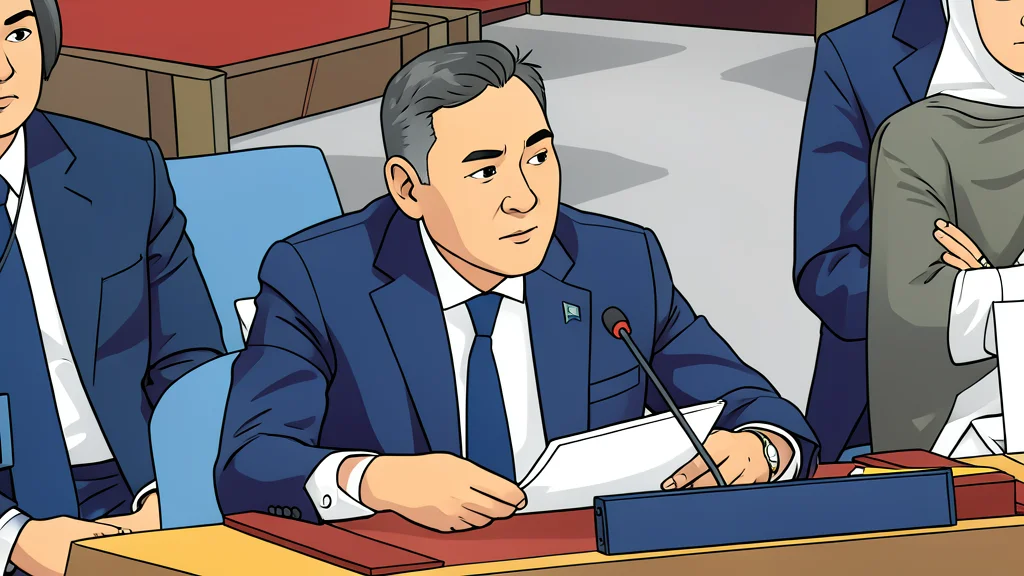
At the UN Security Council, Kazakhstan urged for practical cooperation with Afghanistan, arguing that isolation is unsustainable while emphasizing humanitarian aid and regional trade integration.
The United Nations Security Council recently convened to review the evolving situation in Afghanistan and the operational mandate of the United Nations Assistance Mission in Afghanistan (UNAMA). According to reports from the Kazakh Foreign Ministry, the session included briefings on critical issues such as humanitarian needs, restrictions on women’s rights, and persistent terrorist threats. Representatives from Council members, the United Nations, Afghanistan, India, and Iran participated in the discussions, highlighting the multilateral nature of the current diplomatic effort.
Kazakhstan’s Permanent Representative to the UN, Ambassador Kairat Umarov, articulated a stance focused on pragmatic engagement rather than formal political recognition. He argued that while isolation is not a sustainable long-term solution, engagement must be carefully calibrated to help the country transition from humanitarian dependency toward economic self-reliance. This approach aligns with broader international efforts to maintain essential services and stability without necessarily endorsing the current de facto authorities.
Kazakhstan's Humanitarian and Economic Contributions
Ambassador Umarov detailed specific contributions made by Kazakhstan to support the Afghan population. These efforts include the delivery of 319 tons of humanitarian aid and the deployment of a medical mission to address immediate health needs. Beyond immediate relief, Kazakhstan has supported approximately 400 Afghan farmers and strengthened bilateral trade ties. In June, a business forum involving over 50 Kazakh companies was held in Afghanistan, accompanied by the opening of the country’s second Trade House in the region.
The Kazakh delegation emphasized the importance of integrating Afghanistan into regional trade and transport networks. They highlighted the potential of the UN Regional Centre for the Sustainable Development Goals for Central Asia and Afghanistan, which is based in Almaty. This center serves as a hub for coordinating development efforts across the region, aiming to foster long-term economic stability and cooperation among neighboring states.
Regional Coordination and Multilateral Frameworks
The UN Secretary-General’s report presented to the Council noted recent diplomatic activities involving Kazakhstan, including a delegation visit to Kabul and the opening of the Trade House. Additionally, a meeting of Central Asian and EU Special Representatives on Afghanistan was held in Almaty, underscoring the growing role of regional hubs in shaping policy. These developments suggest a shift toward more localized and practical diplomatic channels to address the complex challenges in Afghanistan.
Kazakhstan reaffirmed its commitment to protecting the rights of women and girls and combating terrorism and drug trafficking. The country’s position reflects a balanced approach that seeks to address human rights concerns while maintaining open channels for dialogue and cooperation. This strategy aims to ensure that Afghanistan remains connected to the broader international community, thereby promoting stability and development in the region.
Forward-Looking Diplomatic Strategies
As the international community continues to navigate the complexities of Afghanistan’s current status, the emphasis on pragmatic engagement is expected to gain traction. Observers will closely watch how other nations respond to this model of cooperation, which prioritizes humanitarian aid and economic integration over strict political conditions. The success of such approaches may depend on sustained multilateral coordination and the ability to balance immediate needs with long-term strategic goals.
The upcoming months will likely see further developments in regional diplomacy, with Kazakhstan playing a pivotal role in facilitating dialogue between Afghanistan and its neighbors. The effectiveness of these efforts will be measured by tangible improvements in humanitarian conditions and economic stability. As the situation evolves, the focus will remain on fostering a sustainable and inclusive framework for engagement that respects international norms while addressing the realities on the ground.