Brics Summit Balances Unity and Division
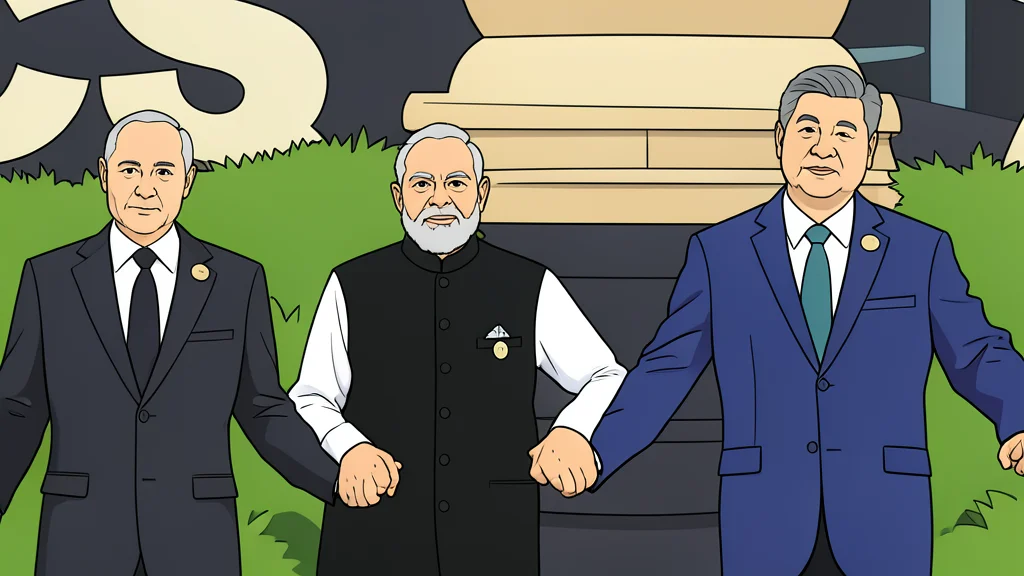
The New Delhi Declaration signals a fragile consensus among Brics leaders, sidesteping major conflicts to maintain group cohesion amidst geopolitical tensions.
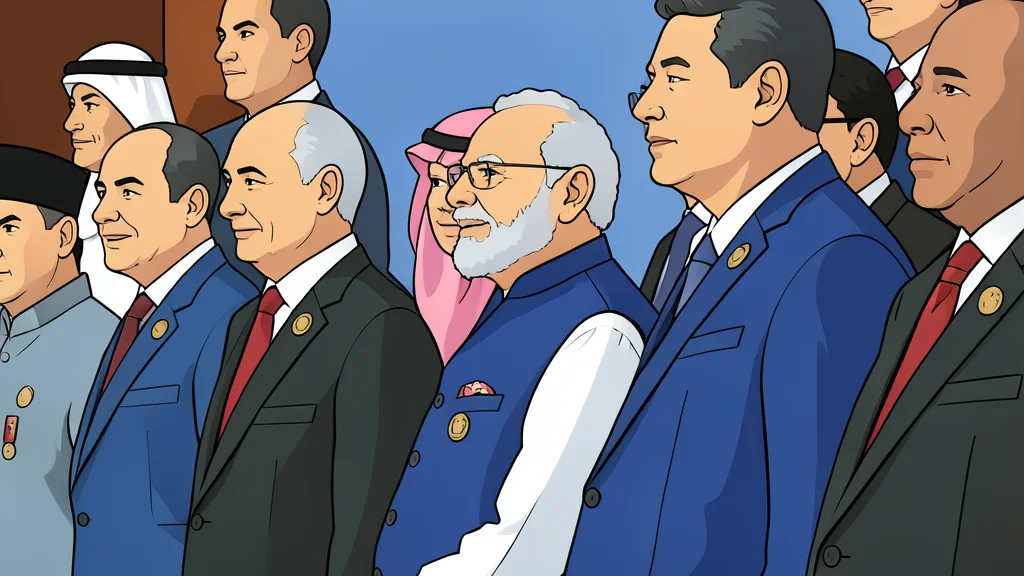
Leaders from the Brics grouping convened in New Delhi this weekend, gathering around a large circular table to reaffirm their collective presence on the global stage. Indian Prime Minister Narendra Modi urged the attendees to transition from passive rule-takers to active rule-shapers, a sentiment that highlighted the summit’s ambition to influence international norms. The event brought together figures from diverse backgrounds, including Chinese President Xi Jinping, Russian President Vladimir Putin, and Iranian President Masoud Pezeshkian, alongside representatives from the United Arab Emirates and South Africa.
The assembly itself represented a significant diplomatic achievement, given the complex and often conflicting relationships among the members. India and China have experienced deadly border clashes, while Iran and the UAE found themselves on opposing sides of the recent Middle East conflict. According to GN geopolitics/border, the ability to convene these leaders in person demonstrates India’s diplomatic reach, yet the underlying tensions remained visible throughout the proceedings. The summit served as a platform for these nations to reassess their ties in the wake of regional wars and shifting global power dynamics.
India’s Strategic Autonomy Approach
For members such as China, Russia, and Iran, the Brics framework offers a mechanism to dilute the influence of the United States and Western Europe. However, India has consistently resisted casting the group as an explicitly anti-Western bloc. Modi emphasized that the alliance is not against any specific nation, a distinction crucial for Delhi’s desire to preserve its multifaceted relationships with both Western and non-Western powers. Anil Trigunayat, a veteran Indian diplomat, described this stance as a push for strategic autonomy in an era of war, prioritizing collaboration without defining an enemy.
Ambiguous Language in Joint Declaration
The adoption of the New Delhi Declaration marked a success in reaching consensus after previous ministerial meetings failed to produce joint statements. However, the document’s language was characterized by careful ambiguity to accommodate divergent positions. On the Middle East conflict, the declaration called for maximum restraint and condemned attacks on civilian infrastructure but assigned no specific blame. It reiterated support for a two-state solution and opposed forced displacement, framing its position around existing United Nations resolutions.
Notably, the declaration omitted any mention of Russia’s war in Ukraine, a significant departure from previous Brics statements. This silence allowed the group to move forward without fracturing over a core point of contention. Similarly, the text expressed concern over indiscriminate rising tariffs and condemned unilateral sanctions but stopped short of naming the United States. This cautious approach likely aimed to avoid provoking Washington, which has previously criticized Brics initiatives as anti-American.
Navigating Trade and Sanctions
The summit’s handling of trade issues reflected a delicate balance between expressing displeasure and avoiding direct confrontation. Praveen Donthi, a senior analyst at the International Crisis Group, noted that the strong reference to tariffs was a surprise, given India’s usual preference for less direct language. He suggested that this was an opportunity for Delhi to convey its stance on trade practices without escalating tensions with major partners. The decision to avoid naming specific countries in the context of sanctions underscores the group’s strategy of maintaining flexibility.
As the leaders departed New Delhi, the forward-looking challenge remains clear. The Brics group has demonstrated its capacity to unite despite deep-seated disagreements, but the lack of tangible solutions in the declaration highlights the difficulty of translating political will into concrete outcomes. The next steps will likely involve monitoring how these nations implement their collaborative initiatives while navigating the ongoing geopolitical fractures that define the current international order.