BRICS Summit in New Delhi Signals Shift in Global Diplomacy
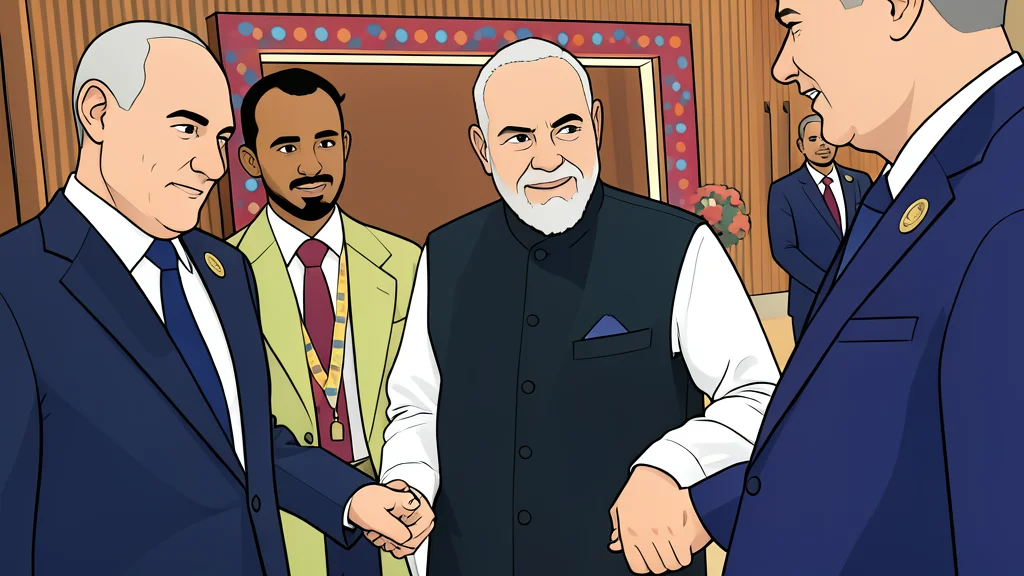
The recent summit in India marked a significant step toward internal cohesion, offering a unified front on trade and sovereignty issues that contrasts sharply with Western positions.
India’s hosting of the 18th BRICS Summit in New Delhi resulted in a level of internal consensus that had been elusive for months. According to The Diplomat, the group secured a unanimous joint declaration, a milestone that underscores a growing desire among member states to shape international norms rather than merely accept them. This development suggests that the bloc is moving beyond internal friction to present a more coherent stance on global governance.
The achievement is particularly notable given the deep divisions that previously stalled progress. Just months ago, disagreements between India and other members over the conflict in the Middle East, as well as disputes between the UAE and Iran, prevented the issuance of a joint statement. The current outcome indicates that diplomatic efforts to bridge these gaps have succeeded, allowing the group to articulate shared priorities despite their varied geopolitical interests.
Overcoming Internal Divisions
The path to this consensus was fraught with challenge. The May meeting of foreign ministers ended without a joint declaration due to stark differences in how members viewed recent military actions and regional conflicts. India, for instance, was reluctant to issue strong condemnations of the United States and Israel, while other members sought such language. Additionally, a specific dispute over wording between the UAE and Iran further complicated the process.
Despite these obstacles, diplomatic channels worked diligently to draft a text acceptable to all parties. The result reflects significant compromises from various sides, including strategic rivals and states in direct conflict. This ability to navigate complex internal dynamics while producing a unified document highlights the maturing nature of BRICS as a diplomatic forum.
Defending Liberal International Norms
The New Delhi Declaration frames BRICS not as a disruptor of the global order, but as a guardian of its liberal foundations. The text emphasizes state sovereignty, international law, and mutual respect, positioning the bloc against what it describes as double standards and unilateral actions. This narrative aligns with India’s broader diplomatic stance that the group is not anti-Western but rather a collective effort to address common challenges.
According to The Diplomat, the declaration specifically targets unilateral economic measures that bypass the United Nations Security Council. It criticizes sanctions and trade barriers that it argues violate World Trade Organization rules and harm the development of countries in the Global South. By doing so, the group asserts that the existing international framework should be preserved and applied fairly, rather than abandoned or weakened by selective enforcement.
Implications for Global Trade
A central feature of the agreement is its strong criticism of unilateral tariff and non-tariff measures. The declaration characterizes such actions as distortions of trade that are contrary to international law. It further denounces secondary sanctions imposed outside the authority of the UNSC, arguing that they negatively impact food security and health in affected populations. This stance provides a legal and diplomatic framework for members to challenge restrictive trade policies in the future.
The inclusion of specific national priorities within the broader consensus also marks a strategic balance. Major powers such as China, Russia, and India managed to incorporate their respective concerns into the final text. This suggests that BRICS is evolving into a platform where diverse national interests can be harmonized with collective goals, potentially offering a counterweight to the dominance of the G7 in setting global economic and political rules.