Guterres Blames Major Powers for Security Council Dysfunction
The UN Secretary-General argues that geopolitical divides and legal violations by permanent members have rendered the body ineffective, urging immediate structural reform.
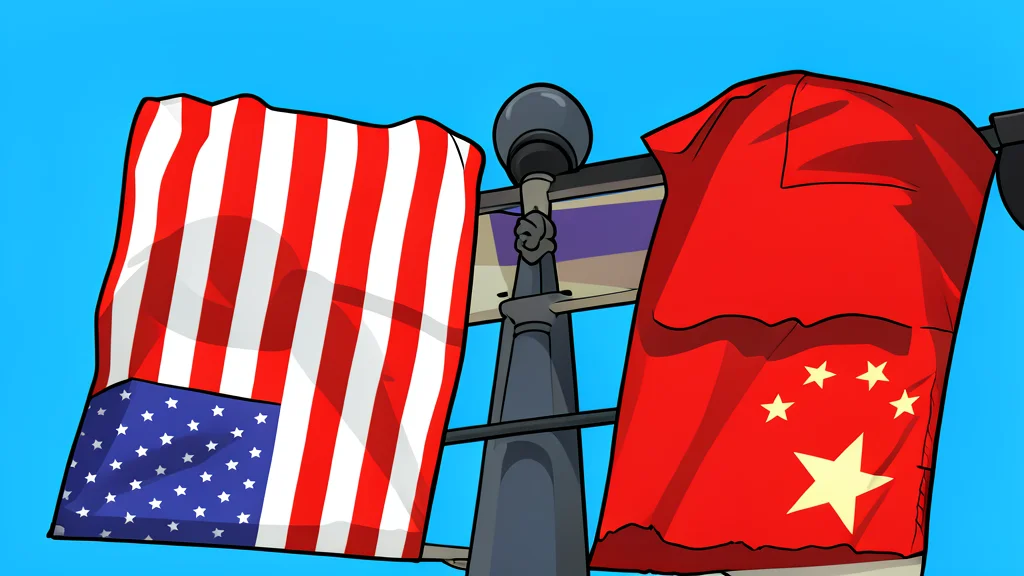
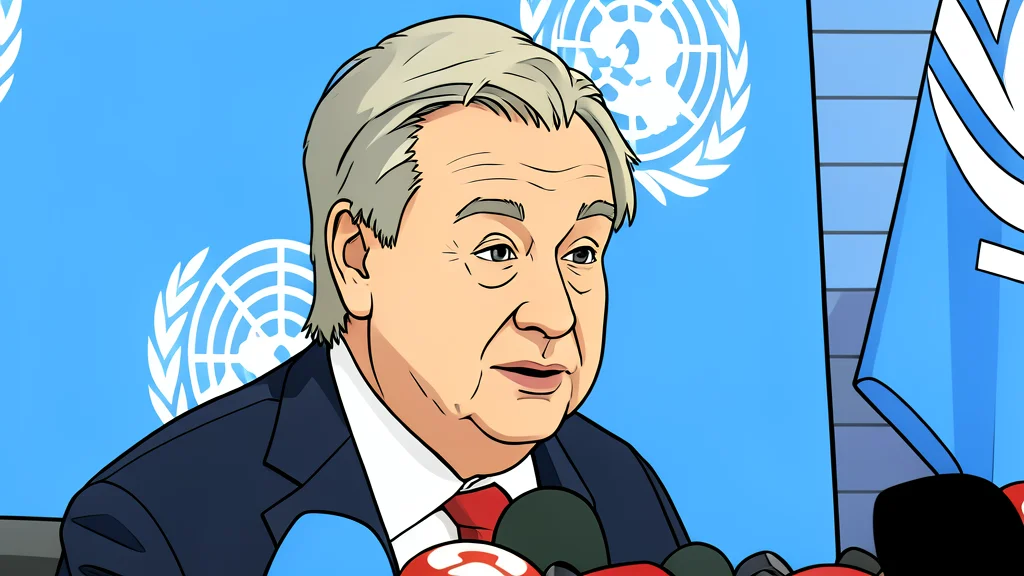
UN Secretary-General Antonio Guterres has attributed the persistent dysfunction of the Security Council to the conduct of major powers, stating that geopolitical divisions have effectively paralyzed the body. Speaking at a news conference, he indicated that some member states violate international law while holding seats within the council, creating a cycle of inaction that undermines global peace efforts.
Guterres emphasized that the current composition of the Security Council no longer mirrors the modern international order. He described the existing structure as a relic of decades past, arguing that this historical inertia is a primary factor in the institution’s inability to act decisively on contemporary threats. According to reports from GN geopolitics/un, this assessment marks a direct critique of the status quo.
Legal violations undermine institutional authority
The Secretary-General warned that the behavior of major powers sets a damaging precedent for the rest of the world. He noted that when influential nations act with restraint and impunity, it encourages other states to disregard international norms. This erosion of accountability, he argued, stems directly from the Security Council’s inability to enforce its own mandates effectively.
By failing to check the actions of powerful members, the council risks losing its legitimacy as the primary arbiter of global security. Guterres suggested that the current dynamic allows nations to pursue self-interest without consequence, further fragmenting the multilateral system. This perspective highlights a growing concern among diplomats about the declining influence of international law in a polarized landscape.
Call for urgent structural reform
In response to these challenges, Guterres called for the reform of the Security Council to be treated as an absolute priority. He argued that the distribution and use of power in the current world do not allow multilateral institutions to function as intended. The Secretary-General’s remarks underscore the urgency of updating the council’s membership to better reflect today’s geopolitical realities.
Observers note that while reform has been a long-standing topic of discussion, political will remains scarce among the very powers that would benefit from a more inclusive body. The Secretary-General’s latest comments add pressure for a comprehensive review of the institution’s structure. Without significant changes, the risk of further paralysis and diminished global cooperation remains acute.
Future diplomatic engagement remains uncertain
The path forward for the Security Council remains unclear as major powers continue to pursue divergent geopolitical agendas. Analysts suggest that the coming months will be critical in determining whether member states can find common ground on reform proposals. The upcoming General Assembly session is expected to provide further insight into the level of support for structural changes.
Diplomats are closely watching for any indications of flexibility from permanent members regarding veto power and membership expansion. The ability of the UN to maintain its relevance hinges on its capacity to adapt to a shifting global order. As tensions persist, the international community looks to the Security Council for signs of renewed cohesion and effective governance.