Carney to Attend UN General Assembly Amid Geopolitical Shifts
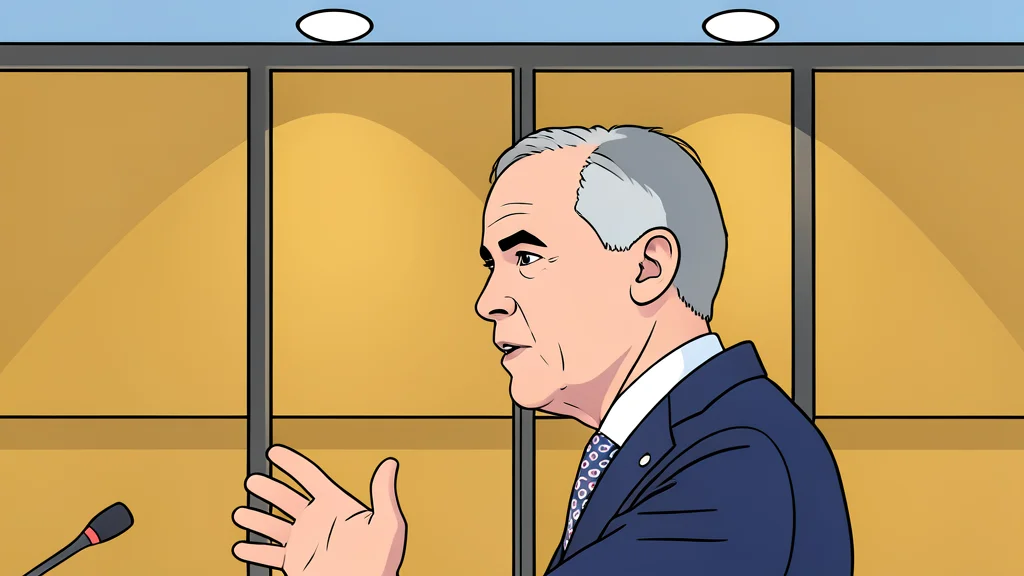
Canada's Prime Minister Mark Carney is preparing for a significant visit to New York to participate in the United Nations General Assembly. This engagement occurs against a backdrop of rising tensions over the multilateral order and shifting alliances.
Prime Minister Mark Carney is set to travel to New York next week for the 81st session of the United Nations General Assembly. His attendance comes at a time when geopolitical instability and significant strain on international institutions dominate the global agenda. Although Carney will not deliver a major address on the main stage, senior government officials indicate he will use the opportunity to engage with world leaders and business figures. The visit is framed by Ottawa’s desire to assert Canada's role in shaping the evolving international landscape.
In a recent statement, Carney noted that the world is viewing Canada differently. He emphasized that at a moment when the international order is being remade, Canada intends to help shape it. According to the prime minister, the government aims to defend rules that protect sovereignty while turning cooperation into tangible opportunities for Canadian workers and businesses. This diplomatic posture reflects a broader strategy of strengthening relationships with global partners, even as tensions rise with the United States.
Diplomatic focus on regional peace
A central component of Carney’s itinerary involves co-hosting an event with France and the United Kingdom focused on the two-state solution. This meeting takes place one year after the three nations recognized an independent Palestinian state during a previous General Assembly session. Government officials describe the gathering as an opportunity to demonstrate continued support for this diplomatic path and to review progress on key priorities.
Earlier this month, Canada joined several European nations in pledging to ban imports of goods produced in Israeli settlements in the occupied West Bank. Ottawa and its partners accused Israel of enabling settler violence and expanding settlements, actions widely considered illegal under international law. In response, the Centre for Israel and Jewish Affairs criticized Ottawa’s approach, calling it a dangerous double standard. The group urged Canada to adopt a consistent and constructive approach grounded in national interests.
Navigating multilateral reform challenges
Carney’s participation in the General Assembly coincides with significant internal reformation efforts at the UN. The United States administration under President Donald Trump has demanded substantial changes to the institution and has withheld funding, creating turmoil within the organization. Additionally, the US has withdrawn from multiple UN bodies, including the World Health Organization and UNESCO. These actions have placed considerable pressure on the UN to adapt and maintain its core functions.
According to GN geopolitics/un, Carney plans to work with partners to build a more effective UN better equipped to deliver on peace, security, development, and human rights. He is expected to participate in a roundtable with European Council President António Costa and Kenya’s President William Ruto to discuss strengthening multilateral collaboration. This engagement highlights Canada’s commitment to sustaining international cooperation even as major powers pull back from global institutions.
Strategic shifts in global alliances
The diplomatic landscape is further complicated by recent developments in Canada’s relationship with the European Union. European Commission President Ursula von der Leyen recently suggested that Canada could become the first associate member of the EU. This proposal has drawn sharp criticism from President Trump, who described the prospect as a potential hostile act and threatened additional tariffs on Europe. The US president has also escalated trade tensions with Canada, imposing significant tariffs on various goods.
As Carney heads to the UN, the focus will be on how Canada navigates these complex dynamics. The prime minister’s engagement with the OceanEye International Alliance and other multilateral forums underscores a strategy of deepening ties with European and African partners. Observers will watch closely how these diplomatic maneuvers unfold and their impact on the broader international order. The coming days in New York are likely to offer key insights into Canada’s evolving role in global affairs.