NATO Chiefs Weigh Carignan for Top Military Committee Role
In Copenhagen, alliance leaders are set to select the next chair of NATO’s military committee, a move that could mark a historic first for the organization.
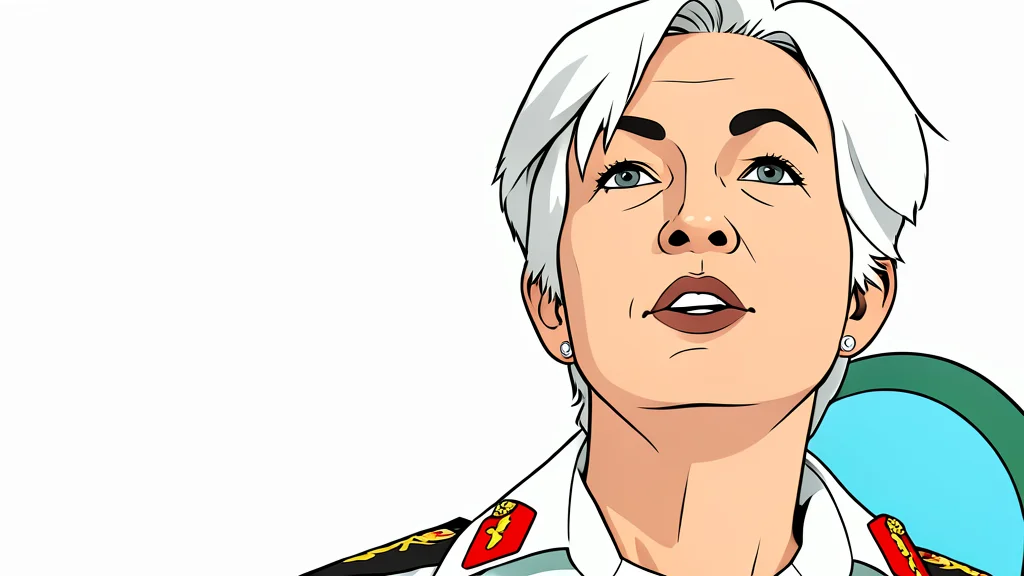
NATO defense ministers are gathered in Copenhagen to determine the successor to the alliance’s military committee chair, a decision that places a Canadian officer in the spotlight. General Jennie Carignan, currently serving as Chief of the Defence Staff for Canada, is competing for the position against German General Carsten Breuer. According to reporting by GN geopolitics/nato, this selection process represents a significant moment for the alliance’s leadership structure.
While the chairmanship is a prestigious appointment within the North Atlantic Treaty Organization, it does not hold the same operational command authority as the role of Supreme Allied Commander, a position traditionally held by a U.S. general. For Carignan, a successful bid would result in her stepping down from her current role leading the Canadian military, a post she has occupied since 2024. The current incumbent, Italian Admiral Giuseppe Cavo Dragone, is scheduled to depart the position next year.
Historic first for alliance leadership
If selected, Carignan would become the first woman to hold the chair of the military committee, a distinction that underscores evolving dynamics within the alliance. Historically, only three Canadians have served in this capacity, with the most recent appointment occurring during the mid-2000s Afghanistan conflict. This potential shift highlights a broader trend toward diversifying leadership roles within NATO’s senior military echelons.
Canadian Defense Minister David McGuinty has publicly expressed support for the general’s candidacy, describing her as possessing
Diplomatic outreach and campaign efforts
In preparation for the vote, General Carignan has engaged in extensive diplomatic outreach, contacting counterparts across all NATO member states to build consensus for her candidacy. The minister noted that he personally supported this effort by writing to various defense ministers to recommend her as a strong candidate. These behind-the-scenes maneuvers are typical in such high-profile appointments, where bilateral relationships and prior collaboration often weigh heavily in the final decision.
Strategic implications for alliance cohesion
The outcome of this selection will have implications for how NATO coordinates its military strategy in an increasingly complex geopolitical landscape. The military committee plays a crucial role in providing military advice to the North Atlantic Council, making the chair’s background and experience vital for maintaining unity of purpose among member states. Observers are watching closely to see how the balance of power shifts within the alliance’s command structure.
As the Copenhagen meeting concludes, attention will turn to how the new leadership shapes NATO’s approach to collective defense. The next steps will involve formal confirmation of the appointment and the subsequent transition of duties, a process that requires careful coordination to ensure continuity in the alliance’s military operations and planning.