NATO Chiefs to Select Next Military Committee Chair in Copenhagen
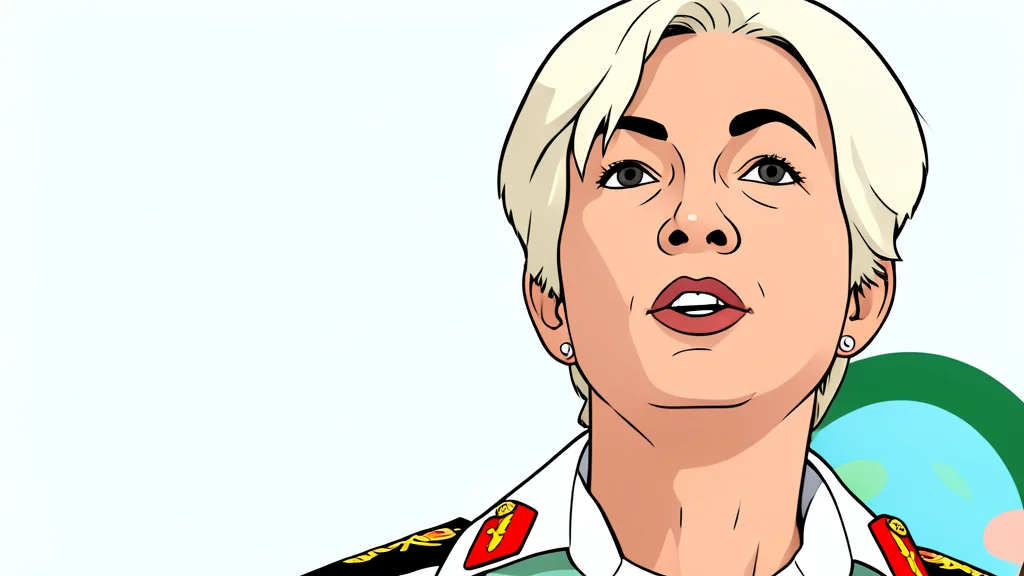
NATO defense leaders convene in Copenhagen to appoint the alliance's next military committee chair, a role contested by Canada's top commander and a German general.
NATO chiefs of defense gathered in Copenhagen, Denmark, to deliberate on the succession of the alliance’s military committee chair. The selection process pits two senior officers against one another for the prestigious post, marking a significant moment in the alliance's internal power dynamics.
Canada’s Chief of the Defence Staff, General Jennie Carignan, is a leading candidate for the position, competing directly with Germany’s General Carsten Breuer. While the role is widely regarded as a symbol of prestige, it holds less operational authority than the Supreme Allied Commander position, which is typically held by an American officer. According to reports from GN geopolitics/nato, the decision will reflect broader strategic alignments within the alliance.
Historical Context for Canadian Leadership
Canada has a limited history in this specific chairmanship, with only three officers having held the post since the alliance's inception. The most recent Canadian to occupy the seat did so during the mid-2000s, coinciding with the height of the Afghanistan war. General Carignan would become the first woman to serve in this capacity, a milestone that underscores the evolving nature of military leadership within NATO structures.
If selected, Carignan would be required to relinquish her current role as the leader of the Canadian Armed Forces, a position she has held since 2024. The current chair, Italy’s Admiral Giuseppe Cavo Dragone, is scheduled to leave his post next year, creating the vacancy that is now being addressed by the Copenhagen meeting.
Political Support and Campaign Efforts
Canadian Defense Minister David McGuinty has publicly endorsed Carignan’s candidacy, citing her "enormous credibility" among international counterparts. According to McGuinty, he has actively supported her campaign by writing letters to various ministers to advocate for her appointment. He described her efforts as a "very good campaign," highlighting the diplomatic groundwork laid to secure the position.
The minister noted that Carignan has reached out to counterparts in all NATO member countries, signaling a broad coalition of support. This diplomatic push is critical in a role that requires consensus among diverse national interests, where political backing often parallels military merit.
Implications for Alliance Strategy
The outcome of this selection will influence how the alliance manages its collective defense posture in the coming years. With the chairmanship serving as a bridge between national defense strategies and alliance-wide objectives, the chosen candidate will play a pivotal role in coordinating responses to emerging security challenges.
Observers will watch closely for how the new chair navigates the balance between regional priorities and global commitments. The decision in Copenhagen sets the stage for the next phase of NATO’s leadership, potentially shaping the alliance's approach to both traditional and non-traditional security threats in the near term.