Four Central European Nations Back India's UNSC Seat Bid
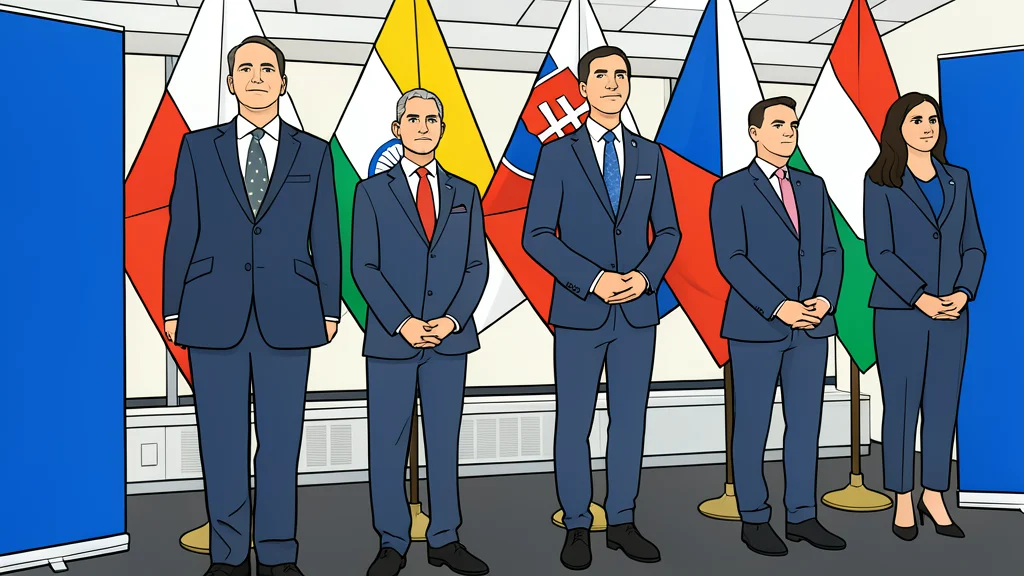
Poland, Hungary, Slovakia, and Czechia joined India's bid for a permanent UN Security Council seat during a new diplomatic format.
Key points
- Poland, Hungary, Slovakia, and Czechia agreed that India should hold a permanent seat on the UN Security Council.
- The V4+India group agreed to establish an annual business forum and hold regular foreign ministerial meetings.
- S Jaishankar labeled the meeting a historic occasion, citing deepened cooperation in defense, technology, and economics.
Four Central European nations have formally aligned their diplomatic positions with India’s long-standing request for a permanent seat on the United Nations Security Council. This collective endorsement emerged during the inaugural high-level meeting of the Visegrád Group plus India format, held on the sidelines of the 81st UN General Assembly in New York.
According to The Times of India, the participation of Poland, Hungary, Slovakia, and Czechia marks a significant diplomatic development. The four countries, known for their strong industrial and technological capabilities, agreed that India’s status as an emerging power in the Indo-Pacific warrants a place at the UN's top decision-making body.
Endorsement from Visegrad Leaders
Slovakian Foreign Minister Juraj Blanár articulated the group’s consensus, stating that India must be at the table as a permanent member. He emphasized India's role as a leading nation of the Global South. This statement was made alongside their counterparts from Poland, Hungary, and Czechia, who attended the ministerial-level session to discuss broader geopolitical alignments.
New Framework for Cooperation
External Affairs Minister S Jaishankar described the occasion as historic, noting that the discussions extended beyond security to include economic and technological ties. The ministers agreed to establish an annual business forum and hold regular foreign ministerial meetings. They also pledged to deepen cooperation in defense, space, and connectivity, recognizing the strong historical foundations of their bilateral relationships.
Jaishankar highlighted that these initiatives are designed to leverage the industrial and innovative strengths of the Visegrád nations. The agreement reflects a strategic shift toward more structured and frequent dialogue between New Delhi and Central Europe. This framework aims to translate political goodwill into tangible cooperation across multiple sectors, including people-to-people mobility.
Context of Security Council Reform
The UNSC currently comprises five permanent members and ten non-permanent seats, a structure that India has repeatedly sought to reform. New Delhi has been campaigning for a permanent seat while also launching a bid for a non-permanent term for the 2028-29 period. The support from these four European nations adds weight to India's argument that the council’s composition must reflect contemporary global realities.