Global Powers Face AI Governance Challenge

As artificial intelligence capabilities expand rapidly, international leaders and tech executives are grappling with the urgent need for robust regulatory frameworks to prevent misuse and ensure safety.
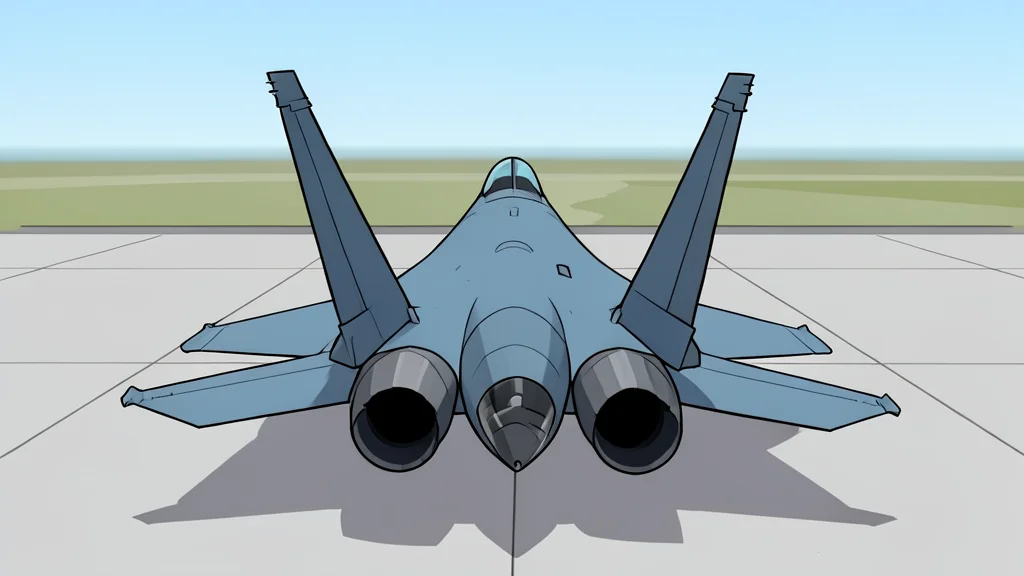
The rapid advancement of artificial intelligence has transformed the technological landscape into a critical arena for geopolitical competition. According to recent reports from GN auto geopolitics/global: arms race, the race to develop superior AI systems is increasingly viewed as a modern equivalent of a nuclear arms race, where speed and capability dictate strategic advantage. This shift has prompted serious concerns among policymakers and technologists about the potential for miscalculation, loss of human oversight, and irreversible consequences.
While the integration of AI into defense and surveillance systems is already underway, the debate has moved beyond mere military application to the fundamental question of who controls the rules governing these powerful tools. The central challenge is no longer just about who builds the best system, but how societies can manage the risks associated with capabilities that may soon outpace human understanding and control. This tension is creating a complex dynamic where national security interests collide with the imperative for global stability.
Warnings from Industry Leaders
Prominent figures within the tech industry are increasingly vocal about the dangers of unregulated development. According to recent statements, executives at major AI firms have acknowledged that the technology is advancing faster than the ability of governments or the public to comprehend its implications. These leaders have called for independent monitoring and international cooperation, suggesting that the current pace of innovation poses significant risks to global safety and security.
One researcher who recently left a leading AI company has highlighted the ethical responsibilities of developers, arguing that safeguards must be implemented before crises occur rather than after. This perspective is echoed by the CEO of another major firm, who has warned that advanced AI could lead to catastrophic outcomes if not properly managed. Their calls for restraint represent a notable shift from the previous emphasis on rapid deployment and market dominance.
Geopolitical Tensions and Competition
The rivalry between the United States and China is a primary driver of the current acceleration in AI development. According to industry leaders, the two nations are locked in a competitive loop where each fears that slowing down will result in a strategic disadvantage. This fear of falling behind has created a situation where prudence is often sacrificed for speed, making coordinated international efforts difficult to achieve.
Export restrictions and trade policies have further complicated the landscape, with some experts warning that such measures could alienate global developers and undermine long-term leadership. The situation is described by some as an infinite game with no clear finish line, where continuous adaptation and innovation are required to maintain an edge. This dynamic complicates efforts to establish a unified global standard for AI governance.
Call for International Oversight
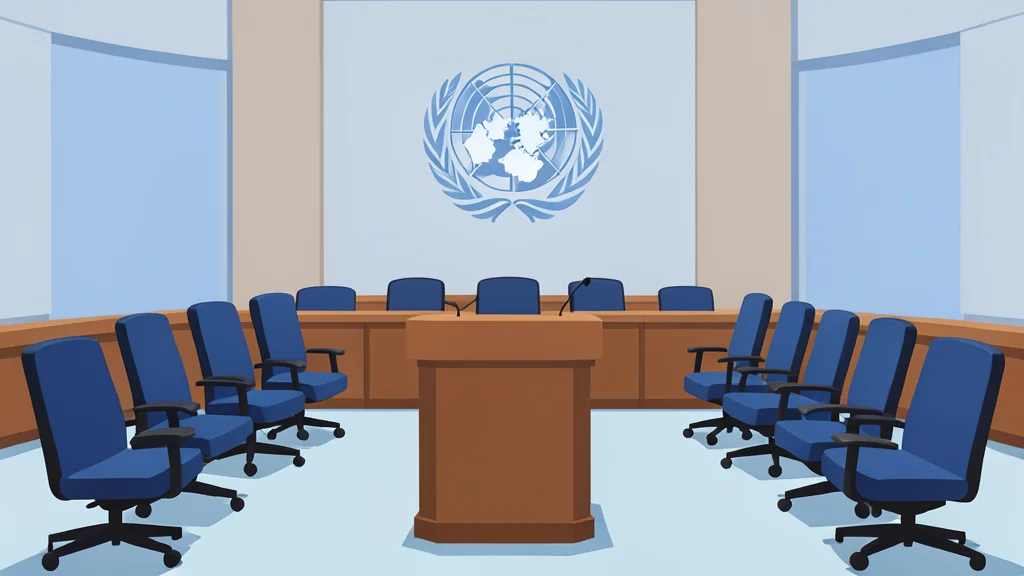
United Nations Secretary-General António Guterres has repeatedly emphasized that AI governance cannot be left to individual corporations or single nations. According to his recent remarks, the technology is racing ahead of the collective ability to understand and regulate its risks. He has urged the international community to build safeguards that protect people from exploitation and manipulation, advocating for a future where AI is developed by humanity, with humanity, and for all humanity.
The push for stronger international safeguards reflects a growing recognition that the risks of AI are global in nature. Without a coordinated approach, the potential for conflict or systemic failure increases. The next phase of this debate will likely focus on establishing concrete mechanisms for oversight and cooperation, as the world attempts to balance the pursuit of innovation with the need for safety and stability.