Repeated Strikes Threaten Ukraine's Medical Supply Chain
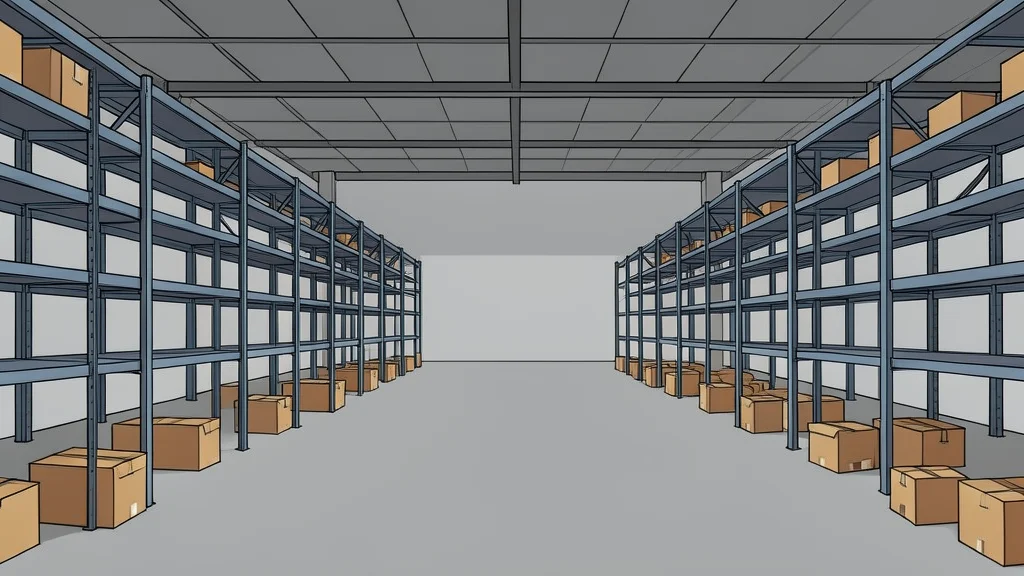
A series of attacks on pharmaceutical warehouses in September has left millions of patients without access to critical temperature-controlled medications, according to humanitarian reports.
Physicians for Human Rights has urged Russian forces to immediately halt attacks on medical supply infrastructure, citing a pattern of strikes over twelve days that reportedly destroyed hundreds of metric tons of medicines. The organization states that these facilities are vital for Ukraine’s health system, holding essential drugs for chronic and life-threatening conditions.
The destruction of these warehouses poses an immediate risk to patients with diabetes, cancer, and cardiovascular diseases. According to PHR, the loss of storage capacity and refrigeration renders specific medications unusable, creating gaps in treatment that take weeks or months to resolve through re-importation and regulatory clearance.
Targeting Critical Logistics Hubs
Between September 3 and September 14, 2026, multiple high-profile facilities were struck. The Biokon logistics complex in Kyiv Oblast, described as the country’s largest specialized pharmaceutical warehouse, was among the targets. Other sites hit include the central warehouse of Apteka Dobroho Dnya, facilities of Teva Pharmaceuticals, and a World Health Organization humanitarian warehouse.
The attacks have also affected major national distributors. BaDM and Optima-Pharm, which together distribute roughly three-quarters of all medicines sold in Ukraine, have reported repeated losses at their distribution centers. Several sites, including one in Odesa and another in Kyiv, were struck after being rebuilt following previous incidents in 2025 and 2022.
Impact on Patient Care
Medical experts warn that the damage extends beyond immediate physical destruction. Temperature-controlled medications such as insulin, vaccines, and chemotherapy agents are destroyed when refrigeration is lost. Michele Heisler, MD, of PHR, noted that replacing these specific products is not a simple logistical task but a complex process involving regulatory hurdles and supply chain reconstruction.
The interruption of therapy for conditions like HIV and tuberculosis carries long-term public health consequences. According to PHR, interrupted treatment drives the development of drug resistance, a problem that can persist long after the conflict ends. This creates a secondary crisis in medical care that affects both individual patients and broader community health security.
Broader Humanitarian Concerns
Humanitarian organizations report that their logistics networks are also under threat. In July 2026, a Ukrainian Red Cross logistics hub was destroyed, along with critical equipment such as generators and medical devices. The WHO reported in September that three of its humanitarian warehouses had been destroyed in the preceding three months.
Farmasoft, a logistics partner for international aid, stated that 90 percent of its destroyed inventory belonged to humanitarian organizations. These supplies were intended for hospitals in affected regions and vulnerable populations, including remote villages and frontline areas. The loss of this capacity limits the ability of aid workers to respond to emergencies such as shelling and evacuations.