Amnesty International Details Coercive Recruitment of Migrants for Russian War Effort
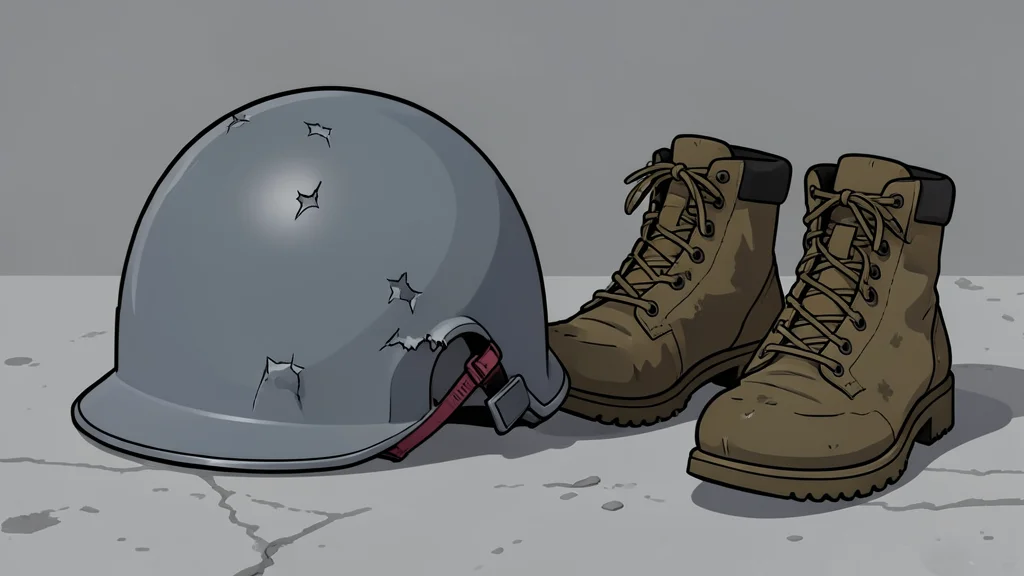
A new report alleges that Russia has systematically exploited vulnerable foreign nationals, using deception and coercion to funnel migrants into active combat roles in Ukraine.
Russia has systematically exploited vulnerable foreign nationals to fill its ranks for the war in Ukraine, according to a report published by Amnesty International. The organization states that recruiters used deceptive and coercive practices that, in many instances, meet the international legal definition of human trafficking. This finding highlights a troubling trend where the precarious status of migrants and refugees within Russian territory is weaponized to secure military labor.
The briefing, released on September 10, draws on extensive interviews with former recruits, their families, and legal representatives. Agnès Callamard, the Secretary General of Amnesty International, noted that the scale of coercion and fraud voids any claim of voluntary consent. The report argues that these actions align with the standards set by the UN’s Palermo Protocol, which establishes that recruitment through abuse of vulnerability constitutes trafficking regardless of signed contracts.
Deceptive recruitment tactics target vulnerable populations
According to the report, recruiters often lured individuals from low-income countries in the Global South with false promises of civilian employment. Job advertisements frequently described non-combat roles, such as kitchen work or driving, far from the front lines. However, once in Russia, many individuals found their circumstances drastically altered. In several cases, recruiters exploited the subjects' irregular immigration status or pending criminal charges, presenting military enlistment as the only alternative to detention or deportation.
Testimony from a South African man illustrates this pattern. He had applied for a driving position in Poland but was instead directed to Moscow, where his documents were seized. His wife stated that he was informed he would no longer be traveling to Poland and was being converted into a soldier. Similar experiences were reported by individuals from Brazil, Colombia, Cuba, and other nations, suggesting a coordinated strategy to trap those with limited legal protections.
Harsh conditions and severe restrictions on recruits
Once contracts were signed, recruits faced severe restrictions on their personal freedom and safety. The organization documented cases where passports and mobile phones were confiscated before deployment, isolating individuals from their families and legal recourse. Pedro, a Brazilian IT professional who was recruited under the pretext of a high-paying tech job, described the atmosphere of fear within the units. He recounted asking his commander to be allowed to leave and receiving a threat that attempting to escape would result in imprisonment or death.
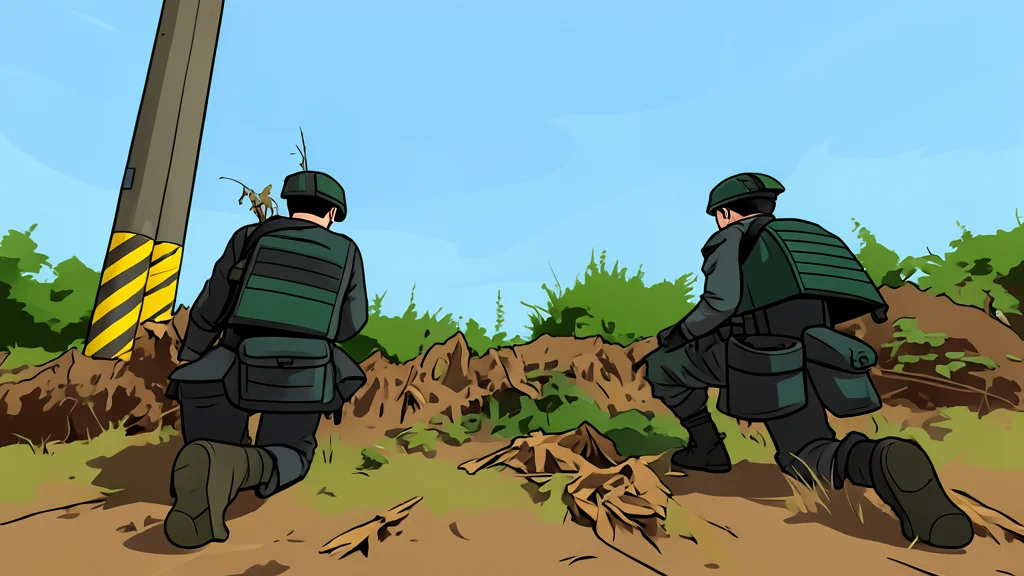
Despite these assurances of safety, most enlistees were deployed to active combat zones after only about two weeks of training. Two Sri Lankan men, who believed they were hired as cooks, found themselves on the front lines within weeks of their arrival. One described the intensity of the fighting, noting the prevalence of drone warfare which made the scale of combat unimaginable for those who had been told they would be in support roles.
International calls for accountability and protection
Amnesty International has called on the Russian government to immediately cease these abusive practices and hold recruiters accountable. The organization also urged states whose citizens are at risk to issue public warnings to their nationals and pursue legal avenues for accountability. Additionally, the report directed specific recommendations to Ukrainian authorities regarding the treatment of third-country nationals held as prisoners of war, emphasizing the need for fair and humane handling in accordance with international law.
The situation remains fluid, with previous data suggesting that thousands of recruits from African nations have been documented in recent months. As the conflict continues, the intersection of migration policy and military recruitment presents a complex challenge for international human rights frameworks. Observers will likely watch for diplomatic responses from the countries of origin and any potential judicial actions against individuals involved in the recruitment networks.