House Speaker Asserts Iran Nuclear Threat Is Resolved
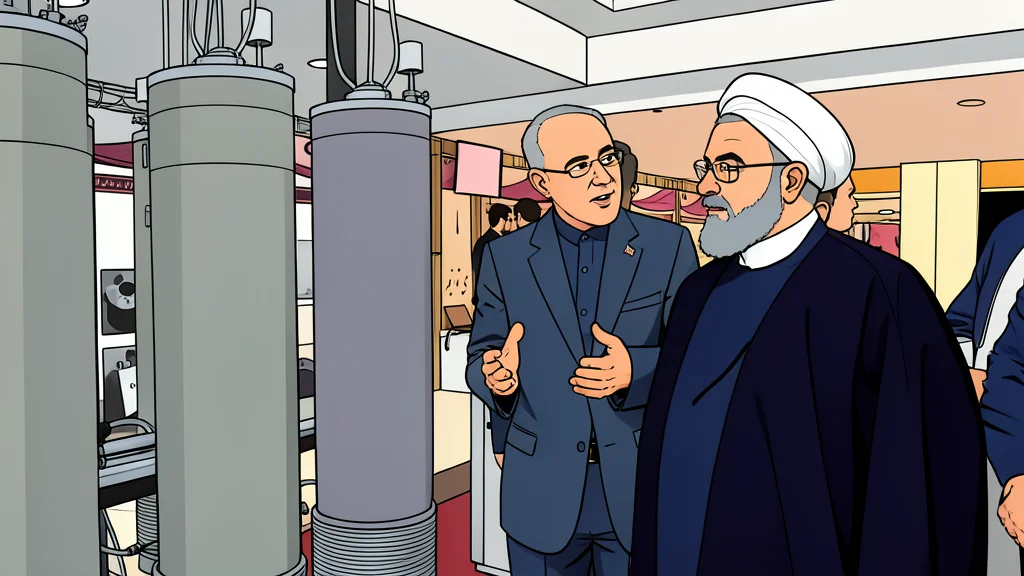
House Speaker Mike Johnson stated that the objective of preventing Iran from acquiring nuclear weapons has been achieved, marking a significant shift in the administration's posture following recent military strikes.
House Speaker Mike Johnson declared on Tuesday that the objective of preventing Iran from acquiring nuclear weapons has been effectively resolved. Speaking during a press conference to announce the House recess until the midterm elections, Johnson characterized the elimination of this threat as a primary success of recent American foreign policy efforts. According to reports from CBS, Johnson stated, “Iran will not have a nuclear weapon... That’s taken care of.” This assertion follows recent coordinated strikes by the United States and Israel on Iranian nuclear infrastructure, which officials cited as the primary justification for military action.
Tehran has consistently maintained that its nuclear program is strictly for peaceful purposes and does not aim at weaponization. The speaker's remarks suggest that the US government views the current diplomatic and military situation as sufficient to neutralize the immediate proliferation risk. However, experts note that the long-term verification of Iran's nuclear status remains a complex geopolitical challenge, particularly as international oversight mechanisms continue to face operational hurdles.
Context from geopolitical analysis desk
This declaration arrives amidst a broader spectrum of US foreign policy priorities. According to the GN auto geopolitics/middle-east: Iran nuclear desk, the administration is simultaneously navigating complex trade relations with European partners and addressing security concerns regarding artificial intelligence. While the nuclear issue is framed as a concluded objective, the broader strategic landscape remains fluid, with ongoing tensions regarding trade blocs and technological competition.
President Donald Trump has also weighed in on international trade dynamics, suggesting that the European Union’s move to allow Canada as an associate member could be viewed as a hostile act. He threatened potential tariffs against the trade bloc, conditioning his response on the perceived intentions of European leaders. This rhetoric highlights the administration's focus on protecting domestic economic interests while managing alliances in a multipolar world.
Strategic implications for regional stability
The speaker’s confidence in the resolution of the nuclear threat underscores a shift in how Washington frames its engagement with the Middle East. By declaring the issue
Forward-looking indicators to monitor
Analysts will closely watch for any subsequent diplomatic engagements or intelligence assessments that either corroborate or challenge the speaker’s assertion. The reaction from Iranian officials and international bodies such as the International Atomic Energy Agency will be critical in determining whether the threat is genuinely neutralized or merely suppressed. Additionally, the broader context of US-Russia tensions, including recent FBI warnings about assassination plots, adds another layer of complexity to the current security environment.