Peasant Representatives Urge UN to Protect Seed Rights in Geneva
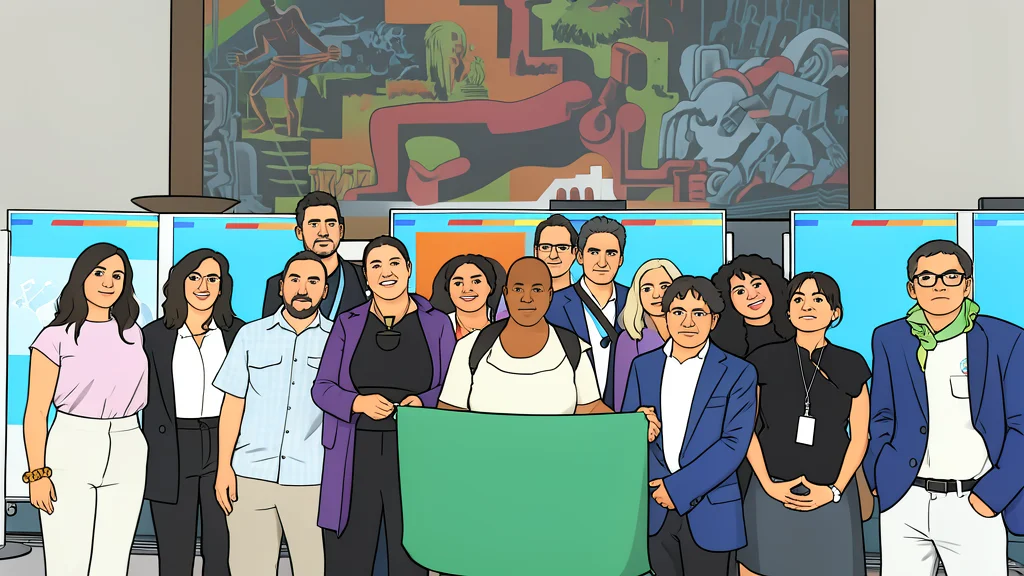
Delegates from La Via Campesina argued before the UN Human Rights Council that traditional seed systems are critical for climate resilience and cultural sovereignty, warning against corporate control and restrictive intellectual property laws.
Geneva, September 16, 2026 – Representatives of peasant communities from Latin America, Africa, and Europe gathered before the United Nations Human Rights Council to advocate for the full implementation of the United Nations Declaration on the Rights of Peasants and Other People Working in Rural Areas, or UNDROP. Although the declaration was adopted in 2018 as a historic step toward rural justice, delegates stated that eight years later, the practical protection of peasant seed systems remains a significant and urgent challenge. The discussion took place during the Interactive Dialogue with the UN Working Group of Experts on the Rights of Peasants, marking a critical moment for defining the future of agricultural biodiversity and food sovereignty.
According to the source GN geopolitics/rights (en-US), the speakers emphasized that seeds are not merely agricultural inputs but the foundation of community livelihoods, cultural heritage, and climate adaptation capabilities. Delegates warned that the current trajectory of global agricultural policy threatens to dismantle these systems, urging the Working Group to support states in protecting the rights recognized in UNDROP against expanding corporate influence and restrictive legislative frameworks.
Corporate Pressure Threatens Seed Diversity
Diego Montón, a peasant farmer and representative from Latin America, highlighted the increasing pressure from transnational corporations to control seed markets. He pointed to legislative reforms in several South American countries that align national laws with the UPOV 1991 international treaty, which he described as restricting peasants' traditional rights to save, exchange, and reproduce seeds. Montón argued that this shift has led to a drastic loss of agricultural biodiversity, noting that 75 percent of the crops currently forming the basis of the global diet are concentrated in just 12 species. This concentration, he stated, makes food systems more vulnerable to climate shocks and exacerbates rural poverty by limiting local adaptation strategies.
Biodiversity as Climate Resilience Strategy
Isabel Vilalba Seivane, a representative from Europe, stressed that traditional peasant seeds are essential resources for addressing emerging plant diseases and geopolitical uncertainty. She expressed concern over recent regulations concerning New Genomic Techniques, warning that expanded patent systems could further concentrate the seed market and undermine the rights established in UNDROP. Vilalba Seivane noted that traditional seeds account for more than 80 percent of seed biodiversity and are crucial for ensuring food production resilience. She also highlighted how free trade agreements are increasingly exporting restrictive seed regulations beyond Europe, threatening peasant systems in other regions of the world.
Cultural Sovereignty and Women’s Roles
Elizabeth Mpofu, a peasant farmer from Africa, reminded the council that seeds are central to peasant identity and survival. She described seeds as food, culture, livelihoods, and sovereignty, arguing that their protection is inseparable from the rights of women farmers, who she identified as the primary custodians of seed diversity. The representatives collectively called on the Working Group to uphold Article 19 of UNDROP, ensuring that states protect these rights against the encroachment of intellectual property regimes that prioritize commercial interests over community resilience and cultural continuity.