Brazil’s Evolving Role in the Expanding BRICS Bloc
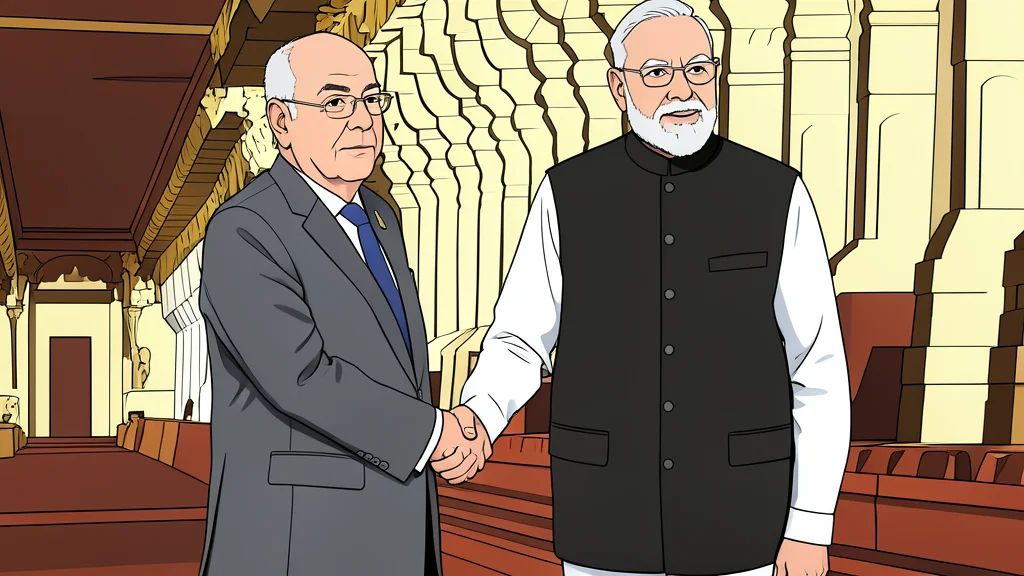
As BRICS expands, Brazil seeks to maintain its influence while navigating internal political shifts and the bloc's deepening economic ties.
One year after hosting the BRICS summit, Brazil finds itself in a more complex position within the grouping. According to Foreign Policy, the bloc has deepened its economic cooperation, even as long-standing goals like United Nations Security Council reforms remain elusive. The shift from a tight-knit group of five to a broader coalition of nine members has altered the dynamic, placing new demands on Brasília to steer the agenda.
Brazil’s approach has been characterized by a desire for reform rather than revolution. While the bloc has launched its own development bank and strengthened trade links, Brazilian officials have emphasized the need for a rules-based international order. This stance contrasts with the more assertive postures of some newer members, creating a delicate balance that Brazil must maintain to preserve the group’s cohesion.
Navigating a Larger Coalition
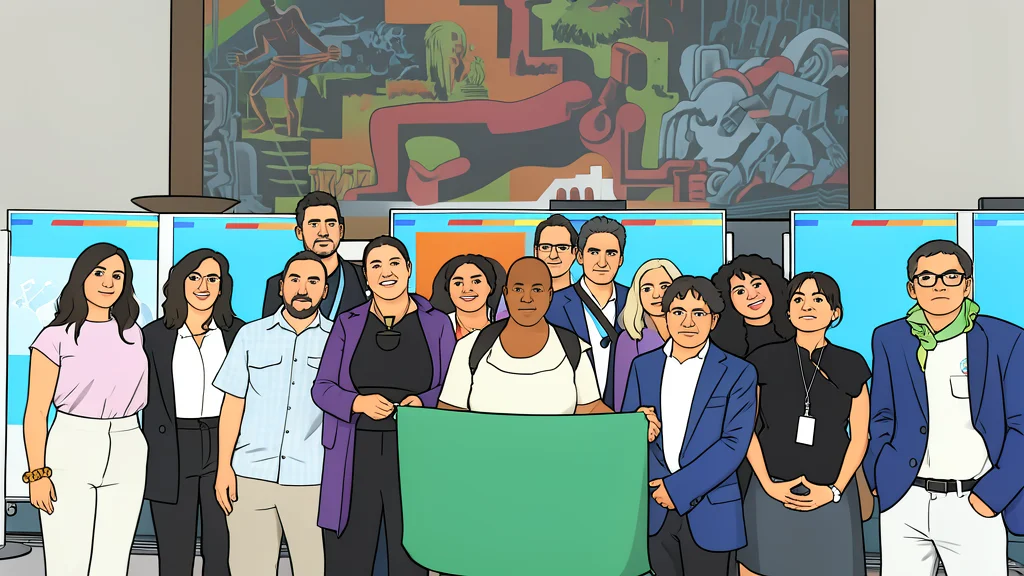
The recent summit in New Delhi highlighted the tensions inherent in the group’s expansion. Brazil opposed the inclusion of nations it views as anti-Western, fearing that such additions would dilute the bloc’s internal unity. Despite these concerns, the group has continued to grow, adding Indonesia in 2025. This expansion has forced Brazil to adapt its diplomatic strategy, focusing on common economic interests to hold the diverse membership together.
Brazilian Foreign Minister Mauro Vieira represented the country at the latest meeting, articulating a vision of a multipolar world that prioritizes peace and prosperity over spheres of influence. This message underscores Brazil’s commitment to multilateralism, even as the global order faces significant strain. The country’s leadership is crucial in ensuring that BRICS remains a platform for constructive dialogue rather than a vehicle for geopolitical confrontation.
Defending Multilateral Institutions
A key achievement for Brazil at the summit was the reaffirmation of support for the United Nations system and the Paris climate agreement. According to the report, this joint statement went further than recent G-7 declarations, which omitted specific references to the climate pact. This endorsement is significant, particularly given the rising challenges to global governance and the ongoing attacks on international institutions.
While the statements are symbolic, they carry weight in a context where the legitimacy of the U.N. is under scrutiny. The fact that Russia, a member with a history of challenging U.N. principles, agreed to acknowledge the system’s legitimacy is a notable development. For Brazil, this alignment helps protect the international framework it champions, offering a counterweight to more unilateralist tendencies within the group.
Political Uncertainty Ahead
Brazil’s ability to continue shaping BRICS priorities faces a significant test with the upcoming presidential elections in October. Polls indicate a close race between President Luiz Inácio Lula da Silva and far-right candidate Flávio Bolsonaro, whose political camp has a history of skepticism toward international institutions. This domestic political shift could impact Brazil’s foreign policy direction and its engagement with the bloc.
As Brazil prepares for its electoral vote, the window for its current diplomatic approach may be narrowing. The country’s leadership in BRICS has been pivotal in keeping the group’s agenda focused on reform and cooperation. What happens next in Brasília will be closely watched, as it could determine whether Brazil continues to anchor the bloc’s multilateral stance or pivots toward a more isolationist foreign policy.