Peasant Rights Advocates Urge UN to Renew Expert Mandate
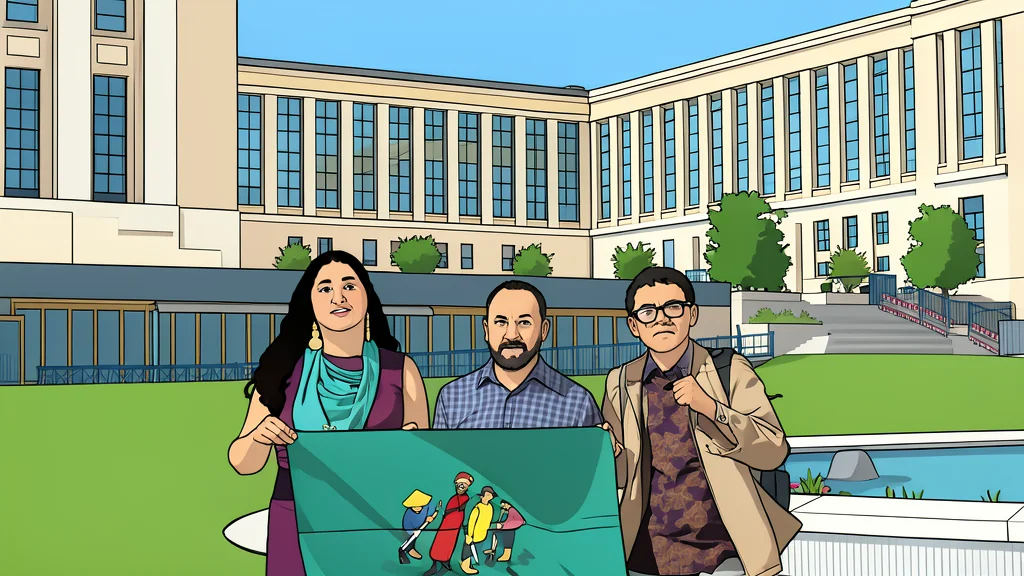
As the mandate for the UN Working Group on Peasant Rights nears expiration, La Via Campesina is in Geneva lobbying for its renewal to sustain international protections for rural communities.
In Geneva, a delegation from La Via Campesina, supported by CETIM and FIAN International, is engaged in intensive advocacy during the 63rd session of the United Nations Human Rights Council. The central focus of their diplomatic efforts is the impending expiration of the three-year mandate for the Working Group of Experts on the Rights of Peasants and Other People Working in Rural Areas. This mandate, originally established in 2023, is set to conclude in October, prompting urgent calls for member states to vote for its continuation.
According to the organization, the renewal is critical for maintaining the institutional framework that supports the implementation of the UN Declaration on the Rights of Peasants and Other People Working in Rural Areas, commonly known as UNDROP. The group argues that the Working Group provides essential continuity in international efforts, facilitating dialogue and capacity-building among states and rights holders. Without this mechanism, they warn, the structured representation of rural realities within the UN system could be weakened, potentially stalling progress on food sovereignty and agroecological policies.
Foundation of Rural Food Systems
La Via Campesina emphasizes that UNDROP serves as a vital human rights framework for communities that are central to global food production. Elizabeth Mpofu, a peasant farmer from Zimbabwe and a key figure in the movement, noted that rural communities produce the majority of the world’s food. She highlighted that women, in particular, form the backbone of local food markets, supplying diverse agricultural products that sustain local economies and reduce reliance on commercial supermarket chains. This role, she stated, allows governments to focus on broader social and economic development needs while ensuring food security at the grassroots level.
The declaration also provides legitimacy for states adopting policies that protect traditional seed systems and promote local food production. For countries with largely rural economies, UNDROP offers an internationally recognized standard that supports agrarian reform and the preservation of biodiversity. The advocacy group views this framework not merely as a legal document, but as a tool for empowering rural communities to sustain their cultural and economic autonomy in an increasingly globalized agricultural landscape.
Focus on Seed Sovereignty
A significant component of the current session involves the examination of the right to seeds. La Via Campesina delegates are participating in side events and public conferences following the presentation of the Working Group’s report on this specific issue. The right to seeds is described as central to the struggle for food sovereignty, as peasant seed systems rely on generations of knowledge, exchange, and collective stewardship. These systems are essential for protecting biodiversity and strengthening the autonomy of rural communities against commercial agricultural pressures.
The organization frames the defense of seed rights as an extension of the broader fight for peasant rights. By advocating for the renewal of the Working Group’s mandate, La Via Campesina aims to ensure that the UN system continues to recognize and support these traditional practices. They argue that this continuity is necessary to address the structural challenges faced by rural workers, including hunger, malnutrition, and poverty, by fostering a global dialogue that values ecological sustainability and local knowledge.
Diplomatic Engagement in Geneva
During their time in Geneva, the delegation is meeting with missions of UN Human Rights Council member states to advocate for the mandate’s renewal. This engagement is part of a broader strategy that has been underway for nearly three decades, beginning with the initial push to recognize peasant rights at the international level. According to GN geopolitics/rights (en-US), these diplomatic interactions are pivotal in shaping the final vote, which will determine whether the expert mechanism remains active to support the implementation of UNDROP.
The outcome of this session will have lasting implications for the international legal landscape regarding rural rights. As the mandate expires, the pressure on member states to demonstrate their commitment to food sovereignty and peasant rights becomes acute. The coming days will reveal whether the UN community prioritizes the continuation of this expert body, a decision that will influence future policies on agricultural sustainability and the protection of rural livelihoods worldwide.