Strait Closure and the Unintended Windfall for Moscow
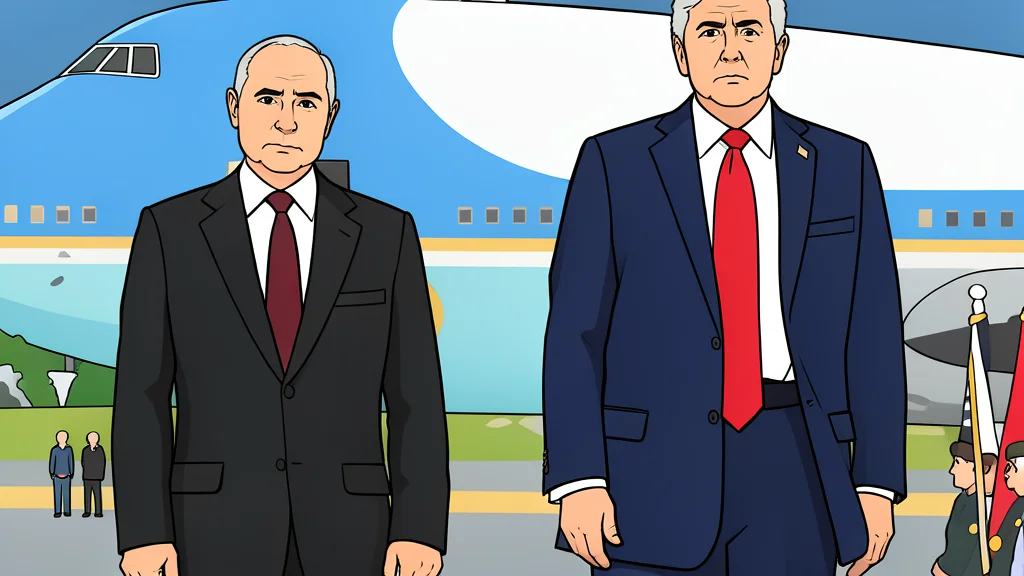
The geopolitical fallout from the Iran conflict is reshaping global energy markets and defense logistics, creating an unexpected economic lifeline for Russia while straining U.S. alliances.
The escalation of hostilities in the Middle East has produced a complex ripple effect across global strategic interests. According to Foreign Policy, the conflict involving Iran has inadvertently provided significant economic and military advantages to Russia, a development that contrasts sharply with the stated objectives of U.S. foreign policy. This outcome has raised questions among analysts about the alignment of current American actions with the long-term security interests of its European and Asian partners.
The closure of the Strait of Hormuz, a critical chokepoint for global oil transport, has driven up energy prices, a trend that has directly benefited Moscow’s fiscal position. While the United States and its allies face increased costs and supply chain disruptions, Russia has seen its budget projections shift from a deficit to a surplus. This economic buoyancy offers the Kremlin greater flexibility in sustaining its military operations in Ukraine, a factor that was not anticipated by Western policymakers at the outset of the Middle East crisis.
Economic Shifts Favor Moscow
At the beginning of 2026, many economists predicted that economic pressures would force Russia to scale back its war efforts or engage in serious peace negotiations. However, the surge in oil revenues resulting from the Middle East conflict altered this trajectory. By March, the boost in income meant that Russia’s expected budget deficit was instead projected to turn into a surplus. Additionally, demand for Russian fertilizer soared as exports from the Gulf region ceased, providing Moscow with an alternative revenue stream that further stabilized its economy during a period of heightened global tension.
Washington’s decision to suspend sanctions on Russian oil exports has further complicated the situation, according to the report. This move has been described by U.S. allies as a source of significant dismay, as it effectively boosts Moscow’s revenues at a time when they are seeking to weaken Russia’s capacity to continue its war against Ukraine. The combination of higher oil prices and eased sanctions has created a windfall for the Russian government, helping to sustain its war machine while diverting international attention away from the Eastern Front.
Defense Resources Diverted
Beyond the economic implications, the military dimension of the conflict has exposed significant strains in U.S. defense logistics. The expenditure of munitions against Iran has been substantial, vastly outstripping the number of air defense systems supplied to Ukraine over the preceding four years. In just three days of the war, more than 800 Patriot anti-missile interceptors were used, a figure that exceeds the total amount Ukraine had received throughout its four-year struggle against Russian attacks. This rapid depletion of critical arsenals has raised concerns among allies about the United States’ ability to defend its partners in Europe and East Asia.
The diversion of weapons that had been slated for sale to Europe has further exacerbated these concerns. The Pentagon notified Congress of its intent to divert approximately $750 million in funding provided by NATO countries for Ukraine to restock the U.S. military’s own inventories. In the U.S. view, this action did not require the consent of the European nations that had contributed the funds. Supporters of Ukraine have viewed this mismatch as undermining previous U.S. claims that munitions could not be sent to Ukraine because they had to be preserved for a potential confrontation with China, highlighting a disconnect between stated strategic priorities and operational realities.
Strained Alliances and Future Outlook
The overall impact of these developments has been a windfall for Moscow that has helped sustain its war efforts, while simultaneously straining relations between the United States and its allies. The conflict in the Middle East has diverted attention away from Ukraine, creating a strategic vacuum that Russia may exploit. As the situation evolves, the focus will likely shift to how Washington manages these competing priorities and whether it can rebuild trust with its partners while addressing the immediate security challenges in the Middle East.