Coordinated Attack in Pakistan Kills Dozens Near Police HQ
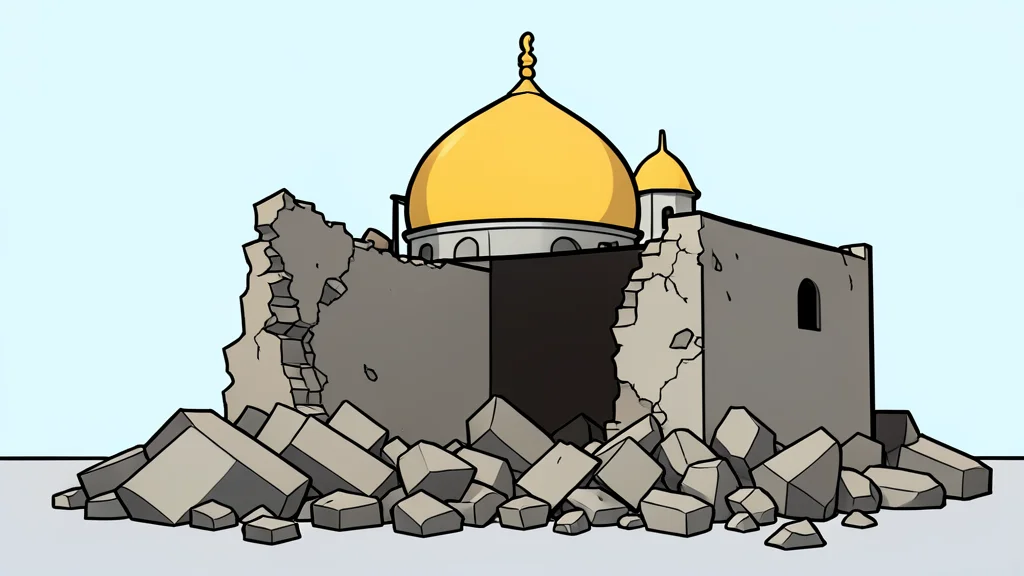
A vehicle bomb and armed assault on a mosque in Kohat has raised concerns about escalating militant activity in Pakistan's border regions.
A coordinated assault in northwestern Pakistan resulted in at least 21 deaths and 80 injuries, according to police and rescue officials. The attack occurred Friday at a mosque adjacent to police offices in the Kohat district of Khyber Pakhtunkhwa province. Officials stated that most of those killed were security personnel who were attending prayers at the time of the incident.
The violence involved a vehicle-borne explosive device rammed into the mosque, followed by a gun battle as armed men attempted to storm the nearby police compound. While six attackers were reportedly killed during the exchange of fire, the event underscores the persistent threat facing security forces in the region. No group has immediately claimed responsibility, though authorities suspect the involvement of the Pakistani Taliban.
Escalating Conflict Along the Border
This incident is part of a broader surge in militant violence near the Afghan border. The Pakistani Taliban, also known as Tehrik-e-Taliban Pakistan, has increasingly targeted police and other security forces as the government intensifies operations against them. According to the GN auto geopolitics/terrorism: counter terrorism report, these attacks reflect a deepening crisis in an area where cross-border tensions have remained high for years.
Pakistan has frequently accused the Afghan government of sheltering militants and allowing cross-border attacks to continue. Kabul has denied these allegations, maintaining that it does not support such groups. The diplomatic friction has persisted since Pakistani strikes on alleged hideouts in Afghanistan in 2025, which led to border clashes and required international mediation.
Diplomatic Efforts and Regional Mediation
In response to the ongoing tensions, regional powers have stepped in to facilitate dialogue. Turkey’s state-run Anadolu Agency reported that Turkish intelligence chief Ibrahim Kalin met with Pakistani Prime Minister Shehbaz Sharif and senior military officials. Kalin indicated that Ankara would continue its efforts to help resolve the standoff between Afghanistan and Pakistan through diplomatic channels.
Simultaneously, Afghan officials confirmed talks with Turkish and Qatari security representatives. Deputy spokesperson Hamdullah Fitrat stated that top officials in Kabul discussed the bilateral tensions during these meetings. These diplomatic moves come as both nations seek to de-escalate a situation that has threatened regional stability and security.
Forward-Looking Security Concerns
The immediate aftermath of the Kohat attack has seen continued security concerns, with residents reporting that gunfire lasted for hours. Prime Minister Sharif has directed authorities to accelerate rescue operations and has condemned the violence. As investigations continue, the focus remains on preventing further coordinated assaults on security infrastructure and civilian sites.
Observers are watching for any formal claims of responsibility and the subsequent military or diplomatic responses from both Islamabad and Kabul. The situation highlights the complex interplay between domestic counter-terrorism efforts and broader geopolitical tensions in the region. The coming days will likely determine whether diplomatic efforts can contain the volatility that has characterized the border area recently.