UN Security Council Conducts Third Informal Vote for New Chief
The United Nations Security Council has completed a third round of informal consultations to select the next Secretary-General, as the field of candidates remains fragmented and no clear frontrunner has emerged.
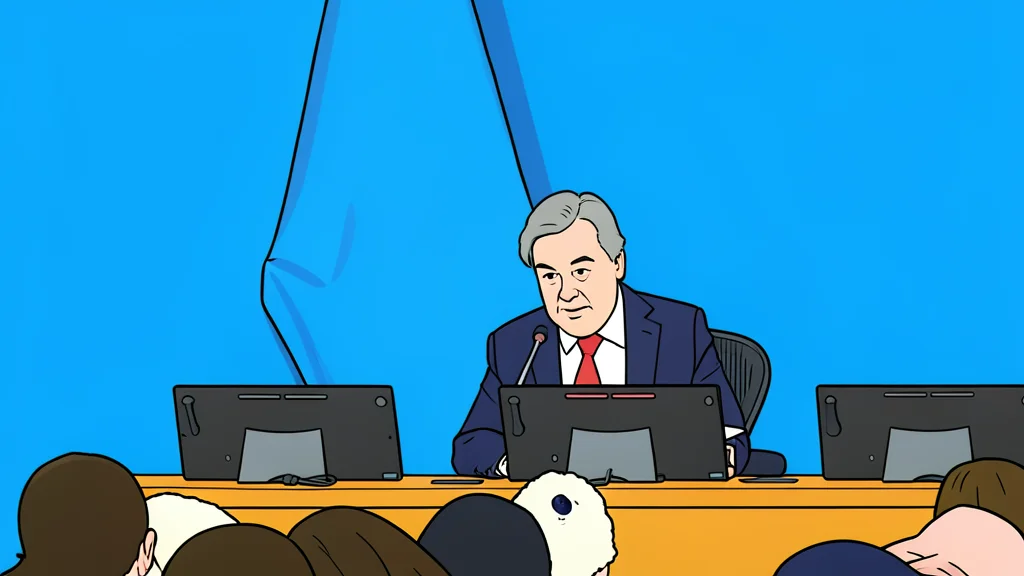
The United Nations Security Council has concluded a third round of informal consultations, often referred to as straw polls, to gauge the support for candidates seeking to replace Secretary-General Antonio Guterres. According to GN geopolitics/un, these secret meetings are designed to test the viability of contenders before the formal nomination process begins, with the current term ending in December.
No definitive leader has emerged from the initial rounds of voting, leaving the field of eight candidates in a state of flux. While Guyana’s Carolyn Rodrigues-Birkett reportedly led the second round, the margins were narrow, and significant uncertainty persists regarding which candidate can secure the necessary backing from the council's fifteen members.
Fragmented Field of Candidates
The current roster includes a mix of regional representatives and senior officials, reflecting a broad but divided international consensus. Among the contenders are Costa Rica’s Rebeca Grynspan, who placed second in the previous round, and Argentina’s Rafael Grossi, the current head of the International Atomic Energy Agency. Other names in the mix include Macky Sall of Senegal, Chile’s Michelle Bachelet, and Uganda’s Olara Otunnu.
Several council members have expressed a strong desire for the organization to select its first female leader, a move that could reshape the institutional culture of the UN. However, the lack of a single dominant candidate suggests that personal appeal is not the only factor; regional balance and diplomatic leverage remain critical considerations in the selection process.
Diplomatic Tensions and Vetoes
The selection process is heavily influenced by the five permanent members of the Security Council: the United States, China, France, Russia, and the United Kingdom. Diplomats indicate that a compromise candidate may be necessary to overcome potential vetoes, particularly given the deep divisions among these major powers. A US State Department official emphasized that any new leader must commit to restoring the UN’s focus on peace and security, criticizing what they described as politicized ideology.
Simultaneously, the organization faces external pressures regarding access and participation. The US recently denied a visa to Palestinian President Mahmoud Abbas, preventing him from attending the General Assembly. According to GN geopolitics/un, UN Secretary-General Guterres expressed deep regret over this decision, stating that full participation of all delegations is essential for the proper functioning of the institution. This incident underscores the broader challenges the UN faces in maintaining its neutrality and inclusivity amidst geopolitical disputes.
Uncertain Path Forward
Experts suggest that the current muddled picture may lead to further rounds of informal voting or the introduction of new candidates. Daniel Forti of the International Crisis Group noted that the lack of consolidation among current candidates opens the door for other contenders to enter the race. The next steps will likely depend on whether the permanent members can agree on a figure who satisfies their respective diplomatic and strategic interests without triggering a veto.