Trump Backs India-Europe Corridor to Bypass Iran
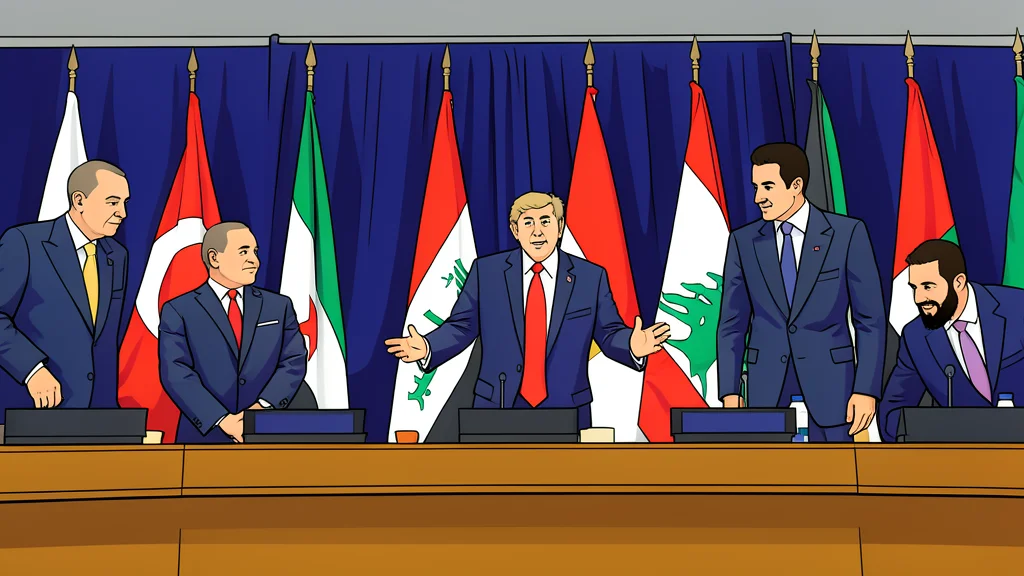
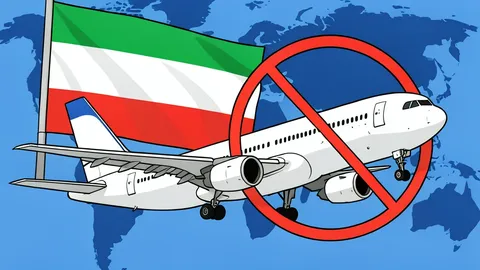
US President Donald Trump endorsed the IMEC during UN talks, citing the need to reduce reliance on vulnerable energy routes near Iranian checkpoints.
Key points
- Trump endorsed IMEC at the UN, citing the need to bypass Iranian checkpoints for energy security.
- The corridor links India to Europe via the Gulf, combining sea and rail routes for efficient trade.
- The project includes plans for electricity cables and clean hydrogen infrastructure, extending beyond cargo transport.
US President Donald Trump has publicly endorsed the India-Middle East-Europe Economic Corridor (IMEC), framing the initiative as a critical measure to secure regional energy supplies.
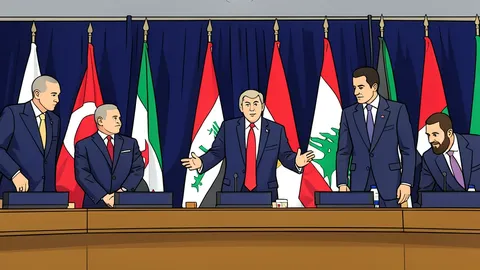
Speaking during a multilateral meeting with Gulf Cooperation Council and Arab leaders on the sidelines of the United Nations General Assembly in New York, Trump emphasized the necessity of moving critical infrastructure away from areas of heightened geopolitical risk.
According to India Today, the President’s remarks were a direct response to recent disruptions in commercial shipping and the broader conflict involving Iran. He stated that the administration strongly supports the corridor as a way to diversify oil transport routes, whether through pipelines or other infrastructure, to mitigate the vulnerabilities exposed by attacks on vessels in neighboring waters.
Corridor Structure and Route
The IMEC is a planned multimodal network designed to connect India with European markets via the Arabian Gulf. Formally unveiled at the G20 Summit in New Delhi in September 2023, the project involves a memorandum of understanding signed by eight major entities, including the US, India, Saudi Arabia, and the European Union. The route is divided into two main sections: an eastern corridor linking India to the Gulf, and a northern corridor connecting the Gulf to Europe.
Under the proposed framework, goods would travel by sea from India to the United Arab Emirates before moving across the region via rail and road networks. The land leg is intended to pass through Saudi Arabia and Jordan towards the Mediterranean, from where cargo would be shipped to European destinations. This design aims to create a more efficient and secure alternative to traditional sea-only routes, reducing transit times and costs.
Strategic and Energy Dimensions
For India, the corridor carries both economic and strategic weight, offering a dedicated channel for trade with the Gulf and Europe. Beyond standard cargo, the original framework includes provisions for electricity and digital connectivity cables running along the route. Additionally, the project envisions infrastructure to facilitate the export of clean hydrogen, positioning the corridor as a key component of the region’s energy transition.
The renewed US support comes at a sensitive time for global energy supplies, particularly concerning the Strait of Hormuz, a major maritime chokepoint. By advocating for infrastructure that bypasses areas of potential conflict, the US aims to reduce the region's dependence on vulnerable shipping lanes. Trump suggested that overcoming these logistical challenges could help resolve issues that have plagued the area for a decade.
Geopolitical Challenges Ahead
Despite the high-level backing, the IMEC faces significant hurdles. The project was announced with considerable ambition but has encountered major geopolitical obstacles, including the ongoing Israel-Hamas war and the wider regional conflict involving Iran. These conflicts have complicated the feasibility of a route that was originally envisaged to pass through areas of active tension, raising questions about the immediate viability of the land-based leg of the corridor.
The forward question now centers on how quickly the proposed infrastructure can be developed and whether the political stability required for such a long-term project can be achieved. Analysts will be watching for concrete steps in construction and diplomatic agreements that could solidify the corridor’s path, potentially reshaping trade dynamics between South Asia, the Middle East, and Europe in the coming years.