Xi Visits US as Trade Deficit Persists Despite Tariffs
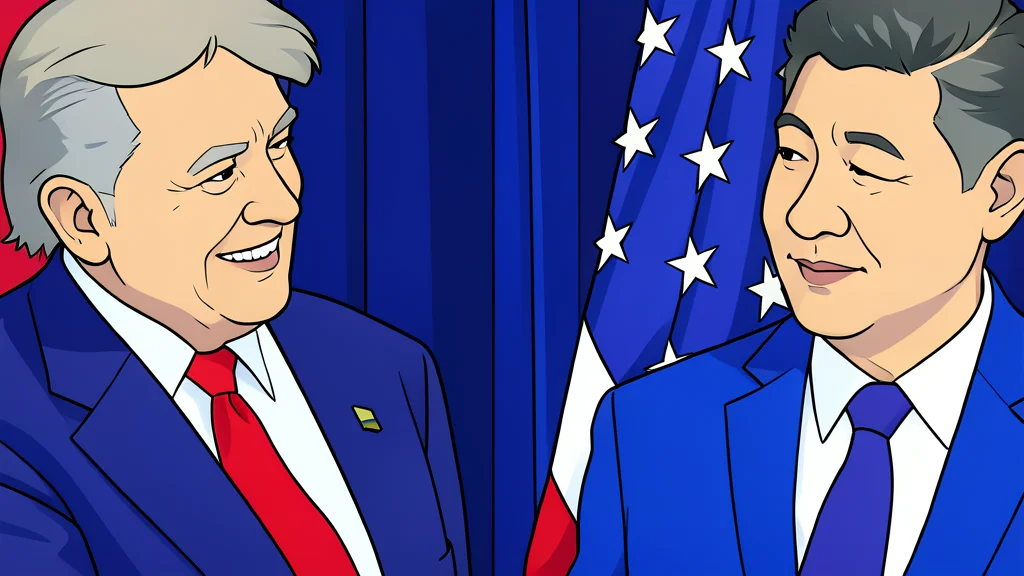
Chinese President Xi Jinping meets Donald Trump in Washington as bilateral trade falls 30 percent but China records a $1.2 trillion surplus.
Key points
- US-China trade volume dropped nearly 30 percent in 2025.
- China recorded a $1.2 trillion global trade surplus last year.
- Average tariff rates are 36.5 percent on Chinese goods in the US.
Chinese President Xi Jinping is holding talks with US President Donald Trump at the White House. This is the first state visit by a Chinese leader in over a decade. The two leaders are addressing ongoing trade tensions and competition in artificial intelligence.
The meeting follows a significant decline in direct US-China commerce. According to Al Jazeera, trade between the two nations fell nearly 30 percent in 2025. However, China has expanded its exports to other global markets, maintaining a large overall trade surplus.
Tariff barriers remain high
A Congressional Research Service report details the current cost of goods. As of July 2026, Chinese products in the US face an average tariff of 36.5 percent. US goods entering China are taxed at an average of 31 percent.
These rates vary significantly by product category. Chinese copper faces an effective rate of 73.6 percent. Aluminum products are taxed at 65.2 percent. Vehicles and auto parts from China face a 44.4 percent duty. Beijing also maintains additional levies on specific US imports like crude oil and beef.
Economic rivalry extends beyond tariffs
The conflict includes sanctions and restrictions on technology transfers. The US recently banned imports of Chinese humanoid robots. It also sanctioned Chinese shipping operators over alleged handling of Iranian fuel. Beijing responded by curbing drone exports to the US.
China holds significant leverage in critical minerals. It controls almost 90 percent of global rare-earth processing capacity. These materials are essential for semiconductors and AI hardware. Restrictions on these exports create substantial pressure on Western technology supply chains.
Future of trade truce uncertain
The current tariff truce, agreed after talks in South Korea, is set to expire on November 10. Both nations have engaged in new trade curbs despite this temporary pause. The outcome of the Washington talks will determine the next phase of this economic standoff.