Trump Minimizes Reports of Chinese Satellite Aid to Iran
The US President downplayed allegations that Beijing provided satellite imagery to Tehran ahead of a deadly strike on US forces in Jordan, citing routine state espionage.
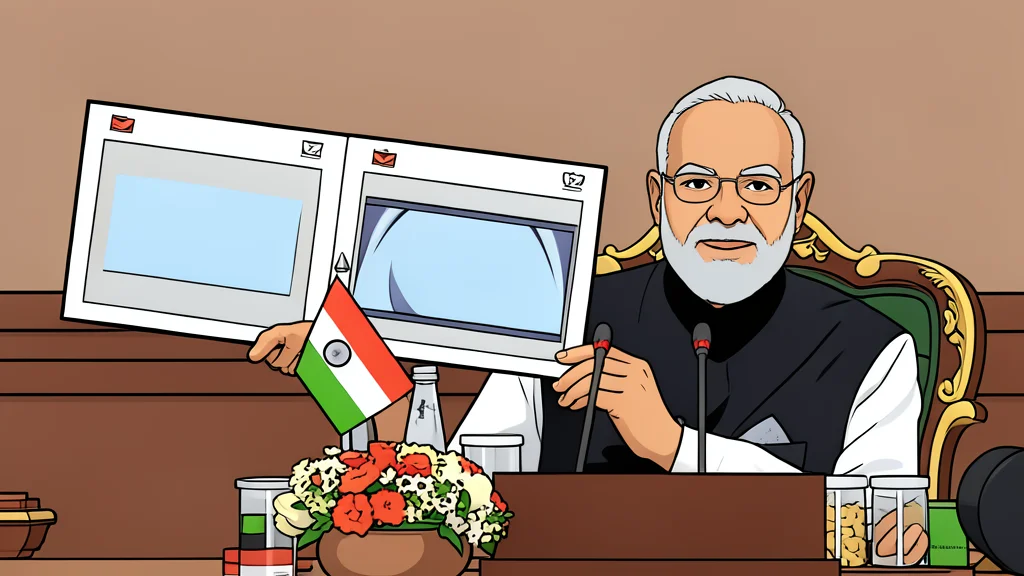
US President Donald Trump dismissed reports on Sunday that Chinese entities had supplied satellite imagery to Iran prior to a missile strike that killed three American soldiers. Speaking aboard Air Force One during his return from a trip to Ireland, the President characterized the alleged intelligence sharing as standard practice between major powers. He stated that if China is surveilling the United States, it is merely reciprocating actions taken by Washington, suggesting that such intelligence activities are a normal part of the geopolitical landscape rather than a violation of diplomatic norms.
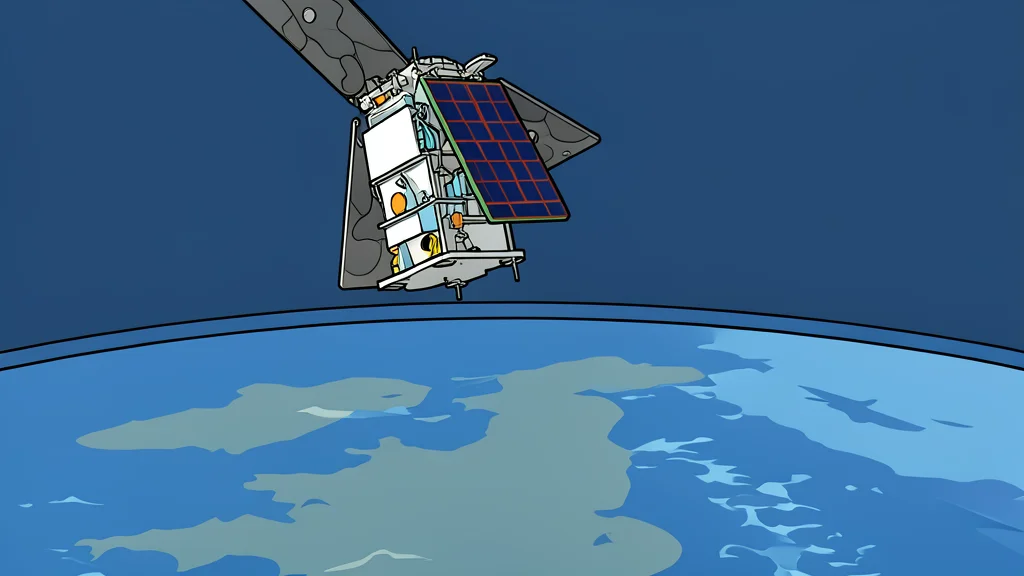
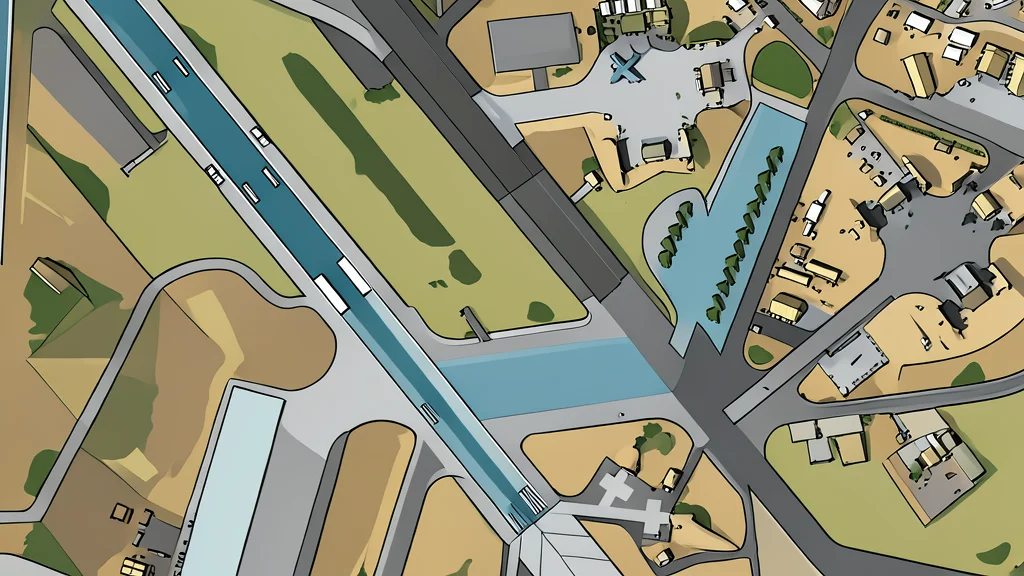
The comments follow a report by The Wall Street Journal, which indicated that unnamed American officials identified Chinese sources as providing specific images of the Muwaffaq Salti Air Base in Jordan. The base, which houses US military personnel, was targeted by Iranian missiles in July, resulting in the deaths of three US service members. According to the report, US officials did not specify which Chinese entities were involved and did not assert that the Chinese government directly ordered the transfer of the data. This distinction leaves significant ambiguity regarding the level of state involvement in the alleged intelligence exchange.
Diplomatic friction precedes scheduled summit
Trump declined to specify whether he would raise the incident with Chinese President Xi Jinping, who is expected to visit the White House on September 24. While Beijing has not officially confirmed the meeting, the US President reiterated his belief that the two leaders maintain a functional relationship. He described Xi’s recent behavior as reasonable, mirroring his own diplomatic posture. This approach aligns with a broader administration strategy to minimize public friction with China, despite underlying frustrations in Washington over Beijing’s continued support for Tehran.
Sanctions and strategic dependencies persist
The current diplomatic tone contrasts with previous actions by the US government, which has increasingly viewed China’s role in Iran with suspicion. In May, Washington imposed sanctions on three Chinese satellite companies for their work with Iranian military entities. The US has also warned Beijing against providing weapons to Iran, highlighting the complex web of economic and strategic ties that bind the two Asian nations. China remains one of Iran’s primary economic partners and a major buyer of its oil, creating a dynamic where direct confrontation is complicated by mutual economic interests.
Monitoring future diplomatic engagements
As the anticipated meeting between the two leaders approaches, observers will look for signals regarding whether the intelligence report will influence the agenda. The US government’s decision to keep the specific Chinese entities unnamed suggests a desire to manage the narrative carefully. The coming days will test the durability of the diplomatic relationship, particularly as both nations navigate the broader implications of their respective alliances in the Middle East. The outcome of these negotiations may set the tone for future cooperation or competition in the region.