Sachs Argues India Holds Strongest Claim for UN Security Council Seat

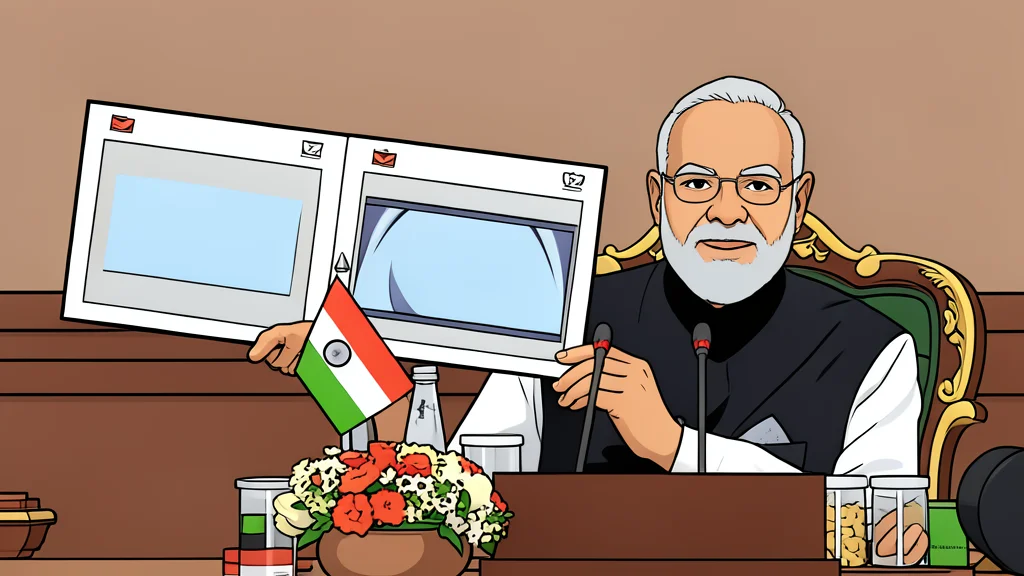
Amid the recent BRICS summit, a prominent US economist has asserted that India possesses the most compelling case for a permanent seat on the UN Security Council, urging Beijing to support the bid to counter Western hegemony.
Jeffrey Sachs, a professor of international affairs at Columbia University, has stated that no other nation possesses a claim as robust as India's for becoming the sixth permanent member of the United Nations Security Council. Speaking during the period surrounding the 18th BRICS Summit held in New Delhi, Sachs highlighted India’s demographic scale, economic growth, and diplomatic acumen as primary factors in this assessment.
The economist’s comments align with the New Delhi Declaration adopted by BRICS leaders, which explicitly reiterated support for the aspirations of both India and Brazil to play a greater role in the UN system. According to Sachs, endorsing India’s position would signal a collective commitment to multilateralism among major global powers and serve as a counterbalance to perceived hegemonic tendencies by the United States and the West.
Economic and diplomatic credentials cited
Sachs pointed to India’s status as the world’s most populous nation, with 1.5 billion residents, and its position as the third-largest economy by purchasing power parity. He further referenced India’s recent performance in hosting the G20 and chairing the BRICS grouping, arguing that these engagements demonstrated a sophisticated approach to diplomacy. In his view, these attributes collectively strengthen India’s standing as a responsible stakeholder in global governance structures.
Call for Sino-Indian cooperation
A central element of Sachs’ argument is the necessity for India and China to set aside their differences and collaborate on global issues. He specifically urged Beijing to formally support New Delhi’s bid for a permanent seat, suggesting that such a move would demonstrate that major Asian powers can work together to uphold multilateral institutions. This perspective frames the expansion of the council as a mechanism for shared responsibility rather than a zero-sum geopolitical contest.
Procedural hurdles for council expansion
Despite this high-profile advocacy, the path to expanding the Security Council remains procedurally complex. The council currently consists of five permanent members, each holding veto power, and ten non-permanent members elected for two-year terms. Any change to the permanent membership structure requires amendments to the UN Charter, which in turn necessitates agreement among UN member states. While China and Russia have expressed support for a greater role for India, Beijing has historically stopped short of formally backing a permanent seat, maintaining a cautious stance on structural reforms.