UK Joins 128 Nations in Bid to Curb Security Council Veto
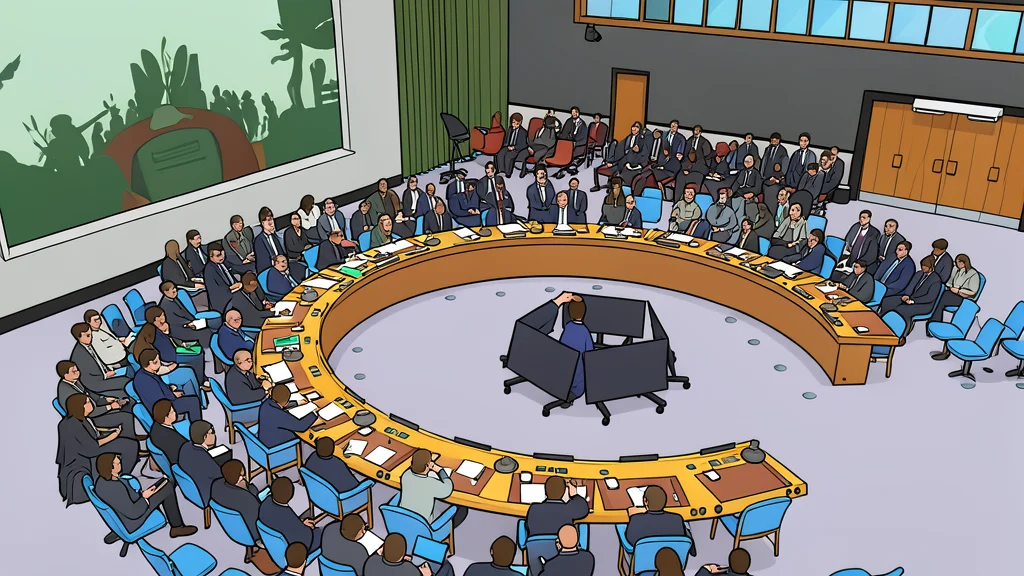
The United Kingdom has aligned with a coalition of 128 states seeking to restrict veto power during mass atrocities, marking a significant diplomatic shift.
Key points
- The UK has joined a French-Mexican initiative to restrict Security Council veto use during mass atrocities.
- Support for the proposal has reached 128 countries, including 21 new endorsers from the last four months.
- The UK’s entry marks the first time this year a second permanent member has backed the reform.
The United Kingdom has officially joined a multilateral initiative designed to limit the use of the veto power within the United Nations Security Council. This move, confirmed by the French Foreign Ministry, places London alongside a growing coalition of states seeking to prevent institutional deadlock during episodes of mass atrocities.
According to Anadolu Ajansı, the British endorsement represents a notable diplomatic development as it marks the first instance this year that a second permanent member with veto authority has supported the proposal. The initiative aims to ensure that the council can function effectively when genocide or crimes against humanity are occurring.
Coalition expands to 128 states
France and Mexico originally launched this joint proposal in 2015, urging the five permanent council members to voluntarily refrain from using their veto in cases of severe human rights violations. Since then, the group of supporting nations has grown significantly, with 21 additional countries from the Caribbean, South America, and Asia endorsing the measures over the past four months.
With the inclusion of the United Kingdom, the total number of countries backing the initiative has reached 128. This broadens the international consensus around the idea that the right to veto should not shield perpetrators of the most serious international crimes from accountability.
Diplomatic significance of UK entry
The French Foreign Ministry highlighted that the UK’s participation is particularly significant because it joins France, another permanent member, in supporting the reform. This creates a rare alignment between two of the five nations that hold the power to block Security Council resolutions, potentially shifting the internal dynamics of the body.
By aligning with the majority of UN member states, the UK signals a willingness to prioritize humanitarian outcomes over strict procedural rigidity in extreme cases. This stance contrasts with the traditional emphasis on sovereignty and non-interference that often underpins veto usage.
Future of council reform
Despite the growing support, the initiative remains voluntary and lacks binding legal force. The key question now is whether this expanded coalition can create sufficient political pressure to influence the behavior of other permanent members, such as Russia and China, in future crises.
Observers will watch closely to see if this diplomatic momentum translates into concrete changes in voting patterns during upcoming sessions. The coming months will likely test the resilience of this consensus as new geopolitical conflicts emerge on the international stage.